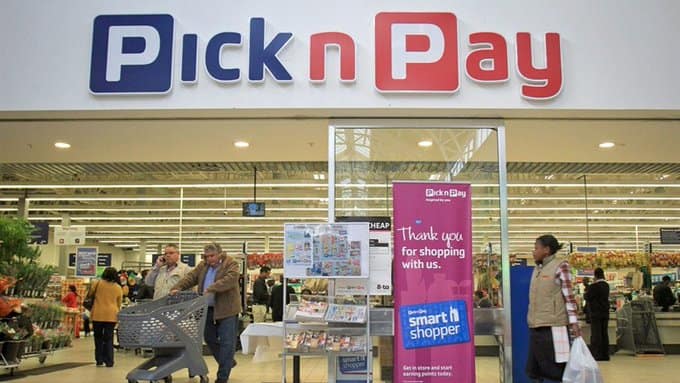
The planned mass retrenchment of over 22,000 Pick n Pay workers has been dramatically halted following a last-minute intervention by South Africa’s Minister of Employment and Labour, sparking renewed hope for thousands of families facing an uncertain future. The retail giant, one of the country’s most recognizable supermarket chains, had previously announced its intention to cut a substantial portion of its workforce—a move it blamed on mounting financial pressures, shifting consumer habits, and the need to restructure operations amid fierce competition from rivals.
However, just days before the retrenchment process was set to move into its final, irreversible phase, the minister stepped in, urging both parties to return to the bargaining table. Trade unions, which had reacted with outrage to the initial proposal—warning of devastating ripple effects across an already fragile economy—agreed to resume negotiations. Pick n Pay, for its part, confirmed it would temporarily suspend its retrenchment plans, signaling a willingness to explore alternatives.
“This is not a victory yet, but it is a crucial pause,” said a union representative speaking outside the negotiations in Johannesburg. “Twenty-two thousand livelihoods cannot be erased without exhausting every possible alternative—job-sharing, reduced hours, early retirements, or even government-led interventions.”
The Department of Employment and Labour described the intervention as “proactive and necessary,” noting that mass layoffs of this scale would not only devastate workers and their dependents but also place immense strain on the country’s unemployment statistics, which already paint a grim picture. The minister has reportedly proposed the possibility of a task team comprising government, labor, and business to explore rescue options for the struggling retailer.
For now, the retrenchment axe hovers but does not fall. Pick n Pay employees, many of whom have dedicated decades to the company, have expressed cautious relief. “My grandchildren depend on this job,” said one cashier outside a Gauteng branch. “I pray they find another way.” As talks resume, the coming weeks will determine whether this pause becomes a permanent reprieve—or merely a brief breath before the blade drops.
About The Author