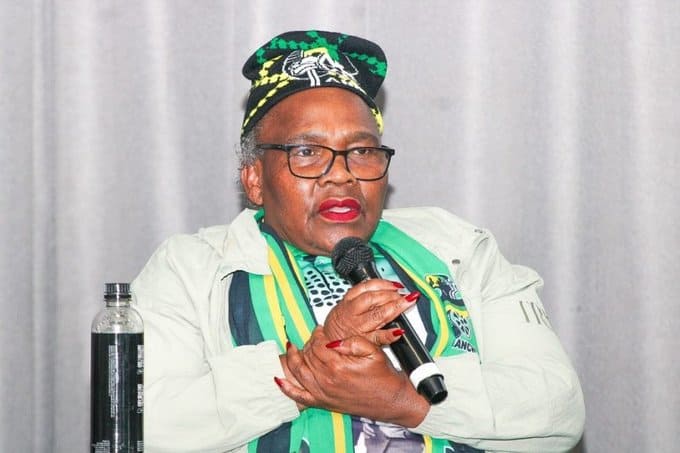
The African National Congress Women’s League has found itself at the center of a quiet but telling political storm this week, after it moved to explain its handling of president Sisisi Tolashe’s current predicament. Rather than suspend Tolashe outright amid active disciplinary proceedings within the broader African National Congress, the league confirmed it had placed her on a leave of absence—a distinction its leadership insists is neither semantic nor accidental.
Speaking from Johannesburg, league officials stressed that the decision was rooted in fairness and procedural integrity. “We are not pre-judging any outcome,” a senior representative said. “Leave of absence allows comrade Tolashe space to engage with the internal processes without the stigma or punitive weight of a suspension. It protects both her rights and the integrity of the ANC’s disciplinary structures.”
Tolashe, a prominent figure within the women’s league and a vocal advocate for gender equity in party politics, now faces internal charges that have not yet been publicly detailed. The league’s national executive committee reportedly deliberated for hours before settling on leave as the most balanced route—one that removes her from day-to-day presidential duties while avoiding any declaration of guilt before the party’s disciplinary committee has reached a conclusion.
Critics, however, have questioned whether the move is a soft option designed to shield a powerful insider from accountability. Political analysts note that the ANC has faced previous backlash over opaque disciplinary processes, and any perception of favoritism could deepen public mistrust. But the Women’s League remains firm. “This is not a loophole,” the spokesperson added. “This is due process. We are demonstrating that even our own leaders are subject to party rules—but also to the presumption of fairness.”
As Tolashe takes a temporary step back, the league has appointed an acting president to oversee operations. All eyes will now be on how swiftly the ANC moves to finalize its disciplinary hearings—and whether the distinction between leave and suspension ultimately holds up under political pressure.
About The Author