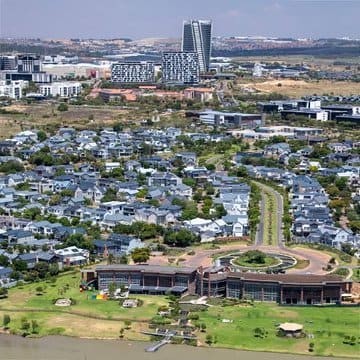
A worsening water crisis in Midrand has ignited a bitter class debate after residents in affluent suburbs turned to gym showers and bottled water to cope with outages, while critics labelled their response “defeated” and out of touch with the township tradition of active protest. The controversy, now trending on social media, has exposed deep fissures in how different South African communities respond to the country’s crumbling municipal infrastructure.
Johannesburg Water confirmed that systems are still struggling to recover from recent disruptions, with key reservoirs—including Erand Tower and President Park Tower—operating on bypass. Suburbs such as Halfway Gardens, Carlswald, and Rabie Ridge have been experiencing intermittent supply and overnight shutoffs, leaving thousands of households scrambling for alternatives. For over a week, middle-class residents have been spotted queuing at local gyms solely to use shower facilities, while others rely on delivery trucks for bottled water.
The backlash began when a popular activist account posted: “You’re not coping—you’re defeated. Township residents would be in the streets by now.” The post quickly gained traction, drawing thousands of replies. Some mocked middle-class residents as too “bougie” to protest, accusing them of relying on privilege rather than pressure. Others defended the residents, pointing out that South Africa’s infrastructure collapse affects everyone, and that not every crisis must be met with protest.
The debate echoes water outages in February that did lead to demonstrations in parts of Johannesburg, where residents burned tyres and blocked roads. Analysts say the contrast highlights a growing class divide in protest culture—where poorer communities must resort to direct action, while wealthier areas adapt quietly, deepening resentment on all sides.
With no immediate solution from Johannesburg Water and the summer dry season approaching, the Midrand crisis may be a preview of broader tensions to come. For now, the gym showers have become an unlikely symbol of inequality in the midst of a national emergency.
About The Author