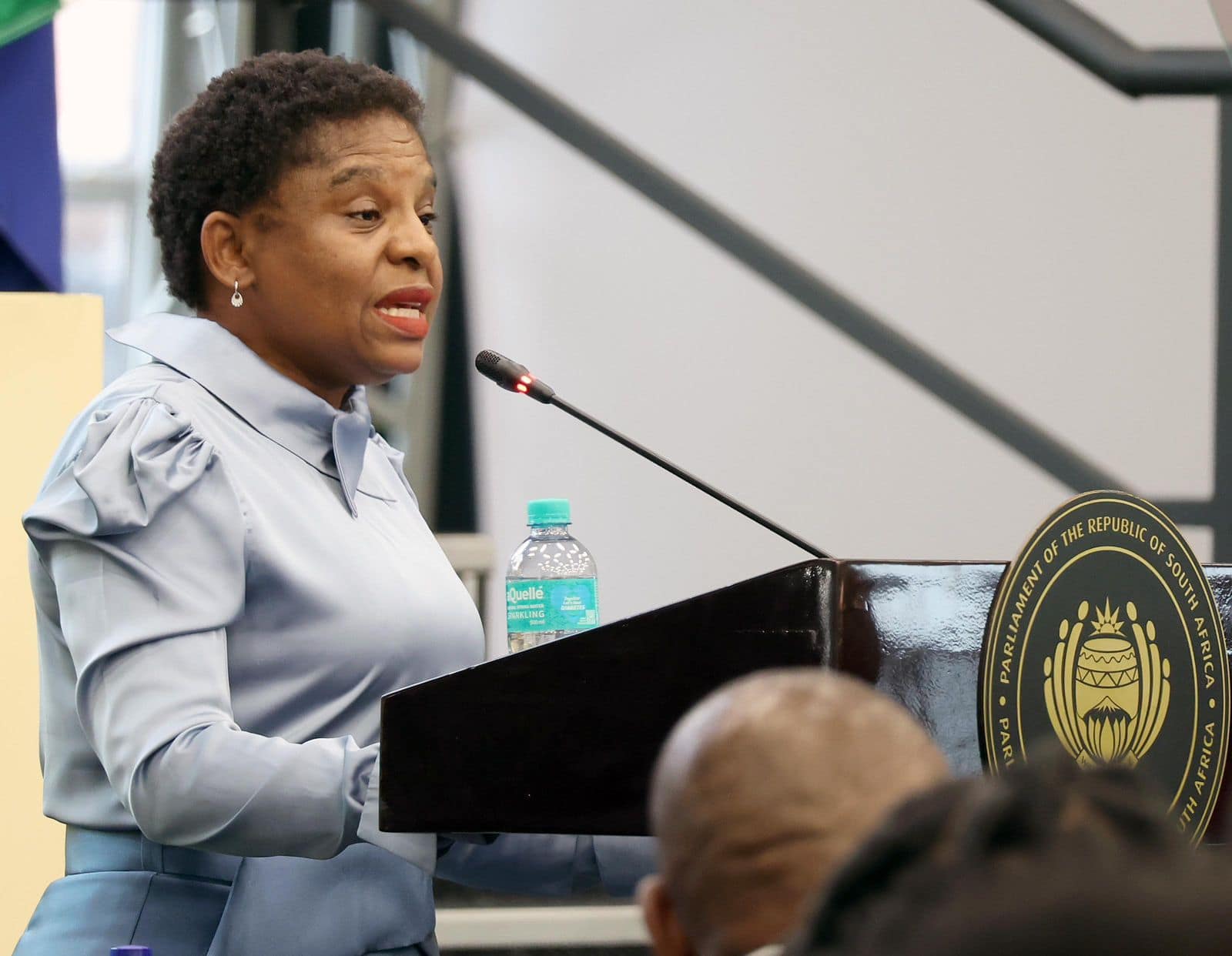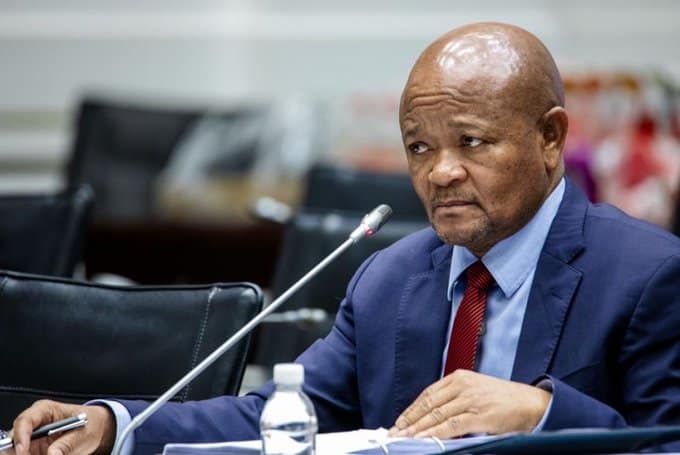
Tensions have erupted in Cape Town between Parliament’s Ad Hoc Committee and the legal team representing Police Minister Senzo Mchunu, after his lawyers formally accused the committee of allowing its Evidence Leader to pre-judge critical findings against their client before the full committee has even had an opportunity to properly consider the evidence.
In a sharply worded letter addressed to the committee’s leadership, Mchunu’s legal representatives argued that a recent report compiled by the committee’s own Evidence Leader had already reached conclusive and adverse findings against the minister—findings that, under proper parliamentary process, should only be determined by the committee itself following thorough deliberation of all available evidence.
“The role of the Evidence Leader is to assist the committee, not to usurp its functions,” the letter reportedly states. “By issuing a report that pre-emptively concludes that Minister Mchunu is culpable, the Evidence Leader has fundamentally prejudiced the proceedings and denied our client a fair process.”
The Ad Hoc Committee was established to investigate serious allegations pertaining to police conduct, leadership failures, and possible maladministration within the Ministry of Police. While the precise nature of the evidence against Mchunu has not been made public, sources close to the inquiry suggest the investigation touches on matters of procurement irregularities and political interference in operational decisions.
Mchunu’s legal team has stopped short of demanding the Evidence Leader’s recusal but has called for the report to be set aside and for the committee to reaffirm its independence from any predetermined conclusions. The lawyers warned that if the committee proceeds on the current trajectory, they may seek judicial intervention to halt the inquiry.
Committee chairperson, responding briefly to the allegations, stated that the committee operates within parliamentary rules and that no final determinations have been made. However, opposition parties have seized on the dispute as evidence of either procedural sloppiness or deliberate maneuvering to protect a sitting minister.
As the standoff deepens, the Ad Hoc Committee now faces a critical choice: reaffirm its impartiality and restart portions of the inquiry, or risk a damaging court battle that could derail the investigation entirely. For Mchunu, whose political future hangs in the balance, the distinction between a fair hearing and a foregone conclusion has never mattered more.
About The Author