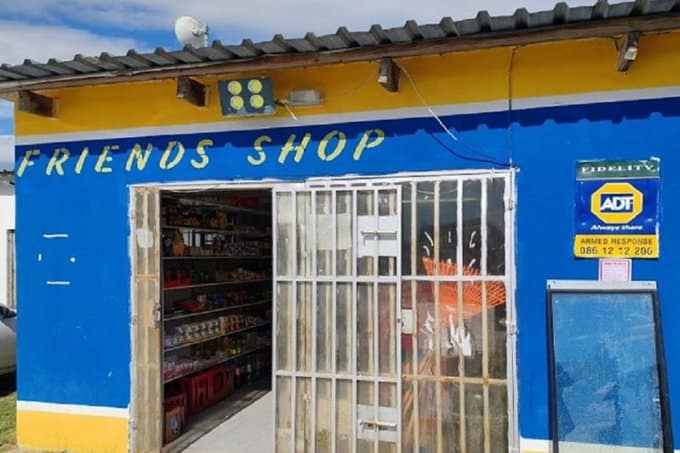
President Cyril Ramaphosa has for the first time directly acknowledged the growing and politically sensitive grievance among many South Africans that the township economy—particularly the spaza shop sector and informal trading—has been systematically “hijacked” by foreign nationals. Speaking during his national address on Sunday evening, the president struck a careful but consequential tone, admitting that these frustrations, however uncomfortable, “cannot be ignored any longer.”
For years, tensions have simmered in townships across Gauteng, the Western Cape, and KwaZulu-Natal, where local small business owners have complained of being pushed out by foreign-owned enterprises, many operated by Somali, Ethiopian, Pakistani, and Bangladeshi nationals. While stopping short of endorsing the term “hijacked,” Ramaphosa said the perception of economic exclusion among South African vendors is real and requires urgent intervention. “Our people feel displaced in their own neighborhoods,” he said. “We cannot build social cohesion on a foundation of economic resentment.”
The president announced that a multi-departmental task team would be established to investigate the ownership patterns, regulatory compliance, and licensing practices within the informal retail sector. He also called for stricter enforcement of municipal bylaws, including health and safety standards, which many local traders claim are selectively applied to disadvantage South Africans. “All businesses, regardless of the nationality of the owner, must operate within the law,” Ramaphosa added.
The address drew mixed reactions. The South African Informal Traders Alliance welcomed the acknowledgment but demanded immediate action, warning of “explosive consequences” if delays persist. Meanwhile, immigrant rights groups cautioned against xenophobic rhetoric, urging the government to distinguish between illegal activity and legitimate foreign entrepreneurship.
Ramaphosa concluded by appealing for calm and dialogue, emphasizing that no community should be turned against another. A national summit on township economic reform has been tentatively scheduled for late July.
About The Author