JOHANNESBURG – In a significant milestone for South Africa’s public transport landscape, the Gauteng Provincial Government is set to assume complete ownership of the prestigious Gautrain network on March 28, marking the formal conclusion of its payments to the Bombela Concession Company and the transfer of a multi-billion-rand asset into public hands.
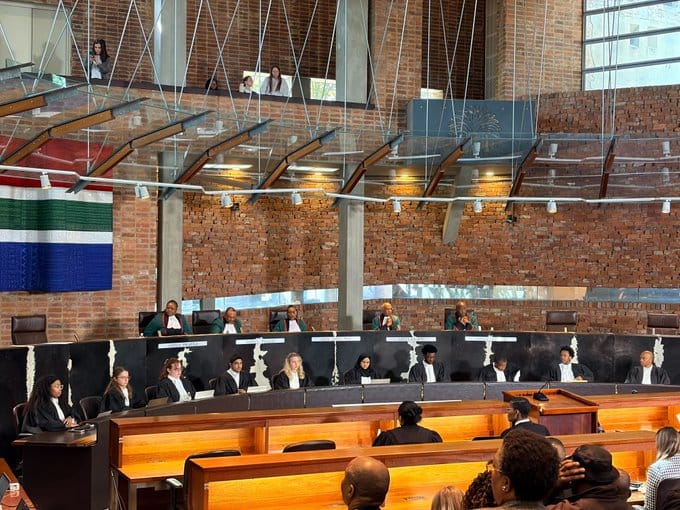
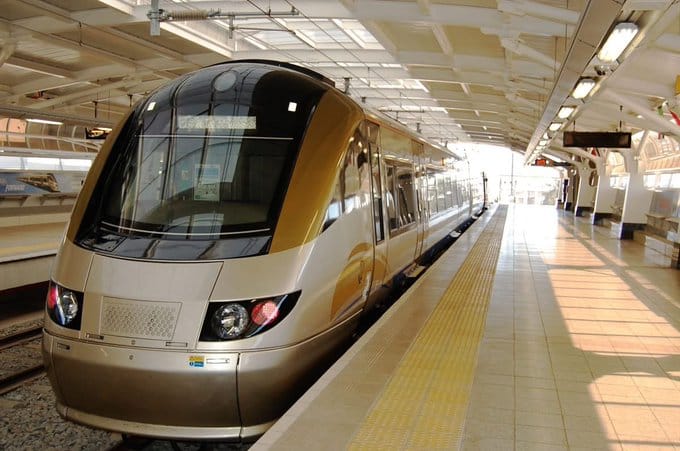
Gauteng Finance MEC Lebogang Maile made the announcement during a media briefing at the Johannesburg Stock Exchange on Tuesday, confirming that the province had fulfilled all its financial obligations under the public-private partnership (PPP) agreement that brought the high-speed rail system to life. The network, which includes 80 kilometers of track, underground stations, and a fleet of modern trains, is now valued at an estimated R45 billion to R50 billion.
“The people of Gauteng now own this asset outright,” Maile declared, flanked by transport officials and representatives from the Bombela group. “This is a moment of pride but also of immense responsibility. We have inherited a world-class system, and our task now is to protect it, expand it, and ensure it continues to serve generations to come.”
A Legacy of the 2010 FIFA World Cup
The Gautrain project was conceived as a flagship legacy of South Africa’s hosting of the 2010 FIFA World Cup, though its origins date back to the late 1990s when planners recognized the urgent need for a rapid transit solution in the country’s economic heartland. Construction began in 2006, involving massive engineering feats including tunneling through the rocky Witwatersrand ridge and building stations that would become architectural landmarks.
When the first trains began operations in June 2010—just weeks before the World Cup kicked off—they represented something unprecedented in African public transport: a high-speed, secure, and reliable alternative to the gridlocked highways between Pretoria, Johannesburg, and OR Tambo International Airport.
Fifteen years later, the numbers tell a story of success. The system has carried more than 150 million passengers since its launch, with ridership consistently growing despite economic downturns and the devastating impact of the COVID-19 pandemic. Beyond passenger numbers, the Gautrain has demonstrably eased congestion on the notoriously clogged N1, N3, and N12 highways, with studies suggesting it removes thousands of vehicles from peak-hour traffic daily.
The Numbers Behind the Transfer
The financial handover represents the culmination of a carefully structured PPP that saw the Bombela Concession Company—a consortium including Murray & Roberts, Bouygues Travaux Publics, JSE-listed strategic partners, and parastatal banks—design, build, finance, and operate the system for nearly two decades.
The provincial government’s final payment triggers not just ownership of the physical infrastructure but also of the trains, signaling systems, stations, and related assets. Maile emphasized that the R45-50 billion valuation reflects not just construction costs but the accumulated value of a fully operational system with established ridership patterns and maintenance regimes.
“Private sector partners took significant risk in building this,” Maile acknowledged. “They delivered on time for the World Cup, they maintained world-class standards, and they have handed over a system in excellent condition. This is what successful public-private partnership looks like.”
The Challenge Ahead: Protecting the Asset
Yet even as the province celebrates ownership, officials are acutely aware of the challenges that lie ahead. The Gauteng government operates under a tight fiscal environment, with a total provincial budget of approximately R175 billion—already 83% committed to existing obligations including salaries, healthcare, education, and social services.
Maintaining a sophisticated rail network requires specialized expertise, ongoing investment, and rigorous oversight. The specter of other state-owned transport entities—most notably the Passenger Rail Agency of South Africa (PRASA)—looms large in the minds of both officials and the public. PRASA has been plagued for years by infrastructure decay, vandalism, arson, and management failures that have left large portions of the commuter rail network inoperable.
“We cannot and will not allow the Gautrain to go the way of PRASA,” Maile said firmly. “This asset is too important to the economy of this province and this country. We are putting in place governance structures that will insulate it from the problems that have afflicted other state entities.”
A New Concession and Massive Expansion
Far from resting on its laurels, the provincial government is already looking to the future—and it involves significant growth. Later this year, Gauteng will initiate a tender process for a new operator concession. Unlike the original PPP, which bundled construction and operation, the new model will separate infrastructure ownership (retained by the province) from operational management (contracted to a private operator).
This approach, officials argue, will maintain the efficiency and service standards that passengers have come to expect while allowing the province to retain strategic control over the network’s development.
Even more ambitious is the proposed expansion. The province has unveiled plans for a R120 billion project that would add approximately 230 kilometers of new track to the network, extending its reach into currently underserved areas and creating additional linkages between economic hubs. The expansion, which includes new stations in growing residential and commercial nodes, is scheduled to begin procurement and planning phases this year.
“This is not just about maintaining what we have,” Maile explained. “It’s about recognizing that Gauteng continues to grow, that our economy needs mobility, and that the future of this province depends on connectivity. The Gautrain expansion is not a luxury—it is a necessity.”
Public Reaction: Pride, Hope, and Anxiety
News of the ownership transfer has generated significant public discussion, with social media platforms buzzing with a mixture of pride in the project’s success and anxiety about the province’s ability to manage it effectively.
For many, the Gautrain represents a rare example of South African infrastructure that works seamlessly. The system’s punctuality, cleanliness, and security have made it the preferred choice for business travelers, airport passengers, and daily commuters who can afford the premium fares.
“I’ve been riding Gautrain since 2010, and it’s never let me down,” commented Johannesburg professional Thabo Ndlovu on social media. “Clean stations, working escalators, trains that actually arrive on time. If the government can keep that standard, this is a win for all of us.”
Others, however, voiced the skepticism born of experience with other state-managed services. “Great, another thing for the government to mismanage,” tweeted user @SowetoRebel. “Watch fares go up, maintenance go down, and stations start looking like Park Station in five years. PRASA 2.0 loading.”
The comparison to PRASA’s troubles is unavoidable. The commuter rail agency has seen its network devastated by cable theft, station arson, and rolling stock vandalism, with recovery efforts hampered by corruption and mismanagement. Gautrain, with its enclosed stations, dedicated tracks, and higher-income ridership, has largely been spared these problems—but whether that reflects inherent design advantages or simply hasn’t been tested by neglect remains an open question.
Economic Implications
Transport economists have welcomed the clarity around ownership and expansion plans, noting that the Gautrain has demonstrably boosted property values around its stations and enabled labor mobility across the sprawling Gauteng city-region.
“The Gautrain corridor has become prime real estate,” said University of Johannesburg economics professor Michael Adebayo. “Areas like Midrand, Centurion, and Rosebank have developed around these stations precisely because businesses know their employees can get there reliably. The expansion will extend that economic benefit to new areas.”
The expansion could also address one of the original system’s limitations: its relatively limited geographic reach. Current lines serve primarily the Johannesburg-Pretoria corridor and the airport link, leaving vast portions of the province—including the densely populated West Rand, parts of Soweto, and southern Johannesburg—without access.
The Road Ahead
As March 28 approaches, government officials are focused on ensuring a seamless transition. The Bombela Concession Company will continue to operate the system under interim arrangements while the new operator tender process unfolds. Existing staff are expected to transfer to the new operator under labor law protections.
For passengers, the change in ownership should be invisible—at least initially. Trains will continue to run on schedule, fares will remain under provincial regulation, and the familiar blue-and-white livery will stay. The real test will come in the years ahead, as the province demonstrates whether it can match the private sector’s operational discipline while pursuing an ambitious expansion agenda.
MEC Maile struck an optimistic tone, acknowledging the challenges but expressing confidence in the province’s preparedness. “We have learned from others’ mistakes. We have put in place safeguards. We have the expertise and the will to make this work. The Gautrain belongs to the people now—and we will not let them down.”
For a province that generates nearly 40% of South Africa’s GDP, the stakes could hardly be higher. The Gautrain is not just a train system; it is a symbol of what public-private partnership can achieve and, potentially, a cautionary tale of what happens when public ownership falters. As the handover date approaches, all eyes are on Gauteng to see which story will prevail.
About The Author