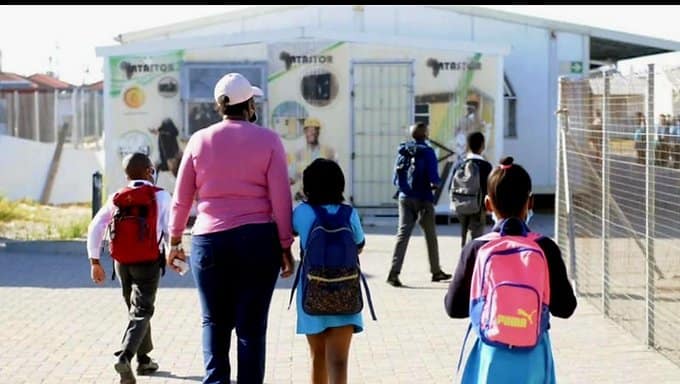
With the 2026 academic year set to begin on Wednesday, 14 January, a cloud of anxiety and frustration hangs over thousands of families, educators, and learners in KwaZulu-Natal, as systemic failures threaten to derail the start of the school term. A damning combination of admitted departmental shortcomings and alarming union surveys paints a picture of widespread unreadiness, sparking urgent calls for intervention to avert what stakeholders fear could be a chaotic and compromised start to the critical school year.
The provincial Department of Education, in a tense media briefing on Monday, conceded to “significant challenges” in its state of readiness. This admission comes amid escalating reports from across the province of schools still in disrepair from holiday-period vandalism, incomplete infrastructure projects, and—most critically—a severe shortage of essential learning and teaching materials.
“A Catalogue of Failures”: Union Survey Reveals Deep Crisis
The department’s vague acknowledgement has been given grim, quantifiable shape by the country’s major teacher unions. The South African Democratic Teachers Union (SADTU) and the National Professional Teachers’ Organisation of South Africa (NAPTOSA) have released the results of rapid assessments conducted at hundreds of schools over the past week.
Their findings indicate that more than half of the schools surveyed are not operationally prepared to receive learners. The deficiencies cited are not minor but fundamental to the basic functioning of a school:
- A Critical Shortage of Learning Materials: Many schools report not having received their allocated textbooks, workbooks, stationery, or paper. “How are teachers meant to teach and children meant to learn without the very tools of education?” asked SADTU KZN provincial secretary, Nomarashiya Caluza. “We have members calling us in despair, saying their storerooms are empty just 48 hours before children arrive.”
- Nutrition Programme in Jeopardy: The National School Nutrition Programme (NSNP), a lifeline for millions of learners, is also at risk. Multiple schools have confirmed that they have not received food supplies or have inadequate stock to begin serving meals on the first day. This failure directly threatens both learner welfare and attendance, particularly in impoverished communities.
- Infrastructure and Safety Neglect: Reports persist of broken windows, unfixed toilets, leaking roofs, and uncleared grounds. In some areas, persistent issues like pit latrines remain unresolved, while in others, new mobile classrooms promised to alleviate overcrowding have not been delivered.
A Recurring Nightmare and Mounting Frustration
For many communities, this is a debilitating case of déjà vu. “Every year it is the same story—last-minute panic, promises, and then our children lose precious learning time,” said Thandeka Mkhize, a parent liaison representative at a struggling primary school in the Umlazi district. “The department has had weeks of holidays to prepare. Why is everything always left until the day before?”
The unions have laid the blame squarely at the feet of the provincial department’s logistics and supply chain management, describing it as “dysfunctional.” They allege poor planning, tender delays, and a lack of effective communication between district offices and school principals.
Department’s Response and a Race Against Time
In response to the outcry, the KZN Education MEC, Mbali Frazer, stated that the department was engaged in a “24-hour war room operation” to distribute remaining materials. She acknowledged delays in the procurement and delivery process but assured the public that “every effort is being made to ensure all schools have the basics by Wednesday.”
However, with time virtually exhausted, confidence in this last-minute push is low. The department has urged school governing bodies and principals to use their allocated norms and standards funds to make emergency purchases, a directive that many say is impractical as these funds are already earmarked for other essential annual costs and cannot cover province-wide supply failures.
Calls for Accountability and Long-Term Solutions
Beyond the urgent scramble for supplies, civil society groups and opposition parties are demanding accountability and systemic reform. “This is not just about late books; it is about a fundamental disrespect for the right to basic education,” declared a statement from the Equal Education Law Centre. “The pattern of chronic unreadiness must be met with consequence management, not just annual apologies.”
As the final hours tick down, the scene at many KZN schools is one of frantic activity by dedicated principals and staff trying to mitigate the crisis, juxtaposed with a deepening sense of disillusionment among parents. The opening day of the 2026 school year is now poised to become a stark test of the province’s ability to fulfil its most basic educational obligations, with the academic fortunes of millions of learners hanging in the balance.
About The Author