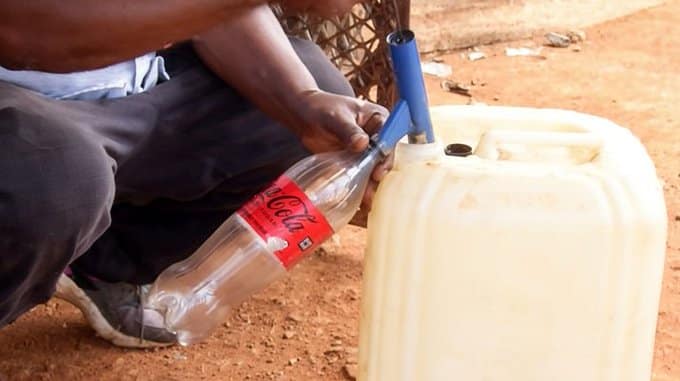
In the Jakaranda informal settlement, where corrugated iron roofs bake under the North West sun and the nearest tar road is a twenty-minute walk away, the daily rhythm of survival is measured in small, precise transactions. A handful of coins for a loaf of bread. A few rands for water from the communal tap. And, most critically, the careful purchase of paraffin—the volatile, smoky fuel that keeps the homes of the poor burning.
But for the residents of this settlement on the outskirts of Klerksdorp, a looming increase in the price of paraffin threatens to shatter those fragile calculations. With the National Treasury’s recent adjustments to the fuel levy and rising global crude oil prices, retailers are warning of a sharp hike in the cost of illuminating paraffin—a fuel that, for millions of South Africans, is not a convenience but a necessity.
“This is another blow to the poor,” said Nomsa Dlamini, a 47-year-old grandmother who shares a single-room shack with her two grandchildren. A rusted paraffin stove sits on a makeshift table in the corner of her home, its wick blackened from months of use. “When paraffin goes up, everything goes up. I cannot cook for my grandchildren. I cannot keep them warm at night. We are already surviving on nothing. Now they want to take that from us too.”
Dlamini is one of thousands of residents in Jakaranda and surrounding informal settlements who live without access to grid electricity. For them, paraffin is the default fuel for cooking maize meal, boiling water, and lighting the darkness that falls over the settlement by 6 p.m. It is cheaper than gas for a single meal, and more accessible than charcoal. But it is also dangerous, toxic, and, increasingly, unaffordable.
The anticipated price increase comes at a time when South Africa’s poorest households are already buckling under cumulative pressures. Food inflation remains stubbornly high. The VAT increase implemented earlier this year has raised the cost of basic goods. And now, the price of paraffin—already a regressive fuel that disproportionately burdens low-income households—is expected to climb by as much as 12 to 15 percent in the coming weeks, according to industry estimates.
For residents of Jakaranda, the hike is not an abstract economic indicator. It is a concrete threat to survival.
“I used to buy paraffin for R20 and it would last me three days,” said Thabo Molefe, a 32-year-old security guard who lives in a makeshift structure he built himself. “Now, R20 gives me maybe a day and a half. If the price goes up again, I don’t know what I will do. Maybe I will have to choose between paraffin and food. But how do you cook without paraffin?”
Molefe earns a minimum wage, sending most of his paycheck to his mother in a nearby village. After rent for the small plot of land his shack occupies, he is left with little. He said he has already reduced his meals to one a day to stretch his income. A paraffin price increase, he fears, will force him to skip meals entirely on some days.
The reliance on paraffin in informal settlements like Jakaranda is a direct consequence of South Africa’s persistent electrification gap. While Eskom has connected millions of formal homes, informal settlements remain largely off the grid. Land tenure disputes, the high cost of informal electrification programs, and the sheer pace of urbanization have left municipalities struggling to provide basic services to expanding informal areas.
“The paraffin price hike is not just an energy issue—it is a justice issue,” said Lindiwe Khumalo, a community organizer who works with several informal settlements in the Klerksdorp area. “These residents are not choosing to use paraffin because it is their preferred fuel. They use it because the state has not provided them with electricity. And now the state is taxing the only fuel they can access. It is a double punishment.”
The health and safety risks associated with paraffin use compound the economic burden. Shack fires caused by overturned paraffin stoves are a recurring tragedy in informal settlements across South Africa. In Jakaranda, residents recall a fire two years ago that gutted a dozen shacks, leaving families with nothing. Toxic fumes from indoor paraffin use also contribute to respiratory illnesses, particularly in children and the elderly.
“I worry every day about my grandchildren,” said Dlamini, gesturing to a small bucket of paraffin stored next to her stove. “I keep it outside when I am not using it. But what else can I do? I have no electricity. I cannot afford gas. The government says it wants a just energy transition. But for us, there is no transition. There is only paraffin.”
The Department of Mineral Resources and Energy has previously acknowledged the regressive impact of paraffin price volatility and has explored mechanisms to subsidize the fuel or expand free basic electricity to informal settlements. But advocates say progress has been slow, leaving municipalities like Klerksdorp—which already faces budgetary constraints—to manage the crisis with limited resources.
Back in Jakaranda, as the afternoon heat gives way to the chill of the Highveld evening, residents begin their nightly rituals. Children return from school. Mothers start preparing supper. The smell of burning paraffin begins to drift through the narrow pathways between shacks. In each home, the same quiet arithmetic takes place: how much fuel is left, how many meals it will buy, and how long it will last.
“When we hear the news about paraffin prices, our hearts sink,” said Molefe, standing outside his shack as the sun began to set. “It feels like every time we try to stand up, something pushes us back down. We are not asking for much. We just want to cook our food. We want to survive. Why is that so hard?”
As the price hike looms, residents of Jakaranda say they are bracing for what comes next. Some talk of pooling resources to buy in bulk. Others say they will simply burn less—cooking only every other day, eating cold meals, going to bed early to conserve what little fuel remains.
“We are used to suffering,” said Dlamini, her voice quiet but steady. “But this is different. This is the government telling us that our survival does not matter. When they raise the price of paraffin, they are not raising a tax. They are raising the cost of being poor. And for us, that cost is already too high.”
About The Author