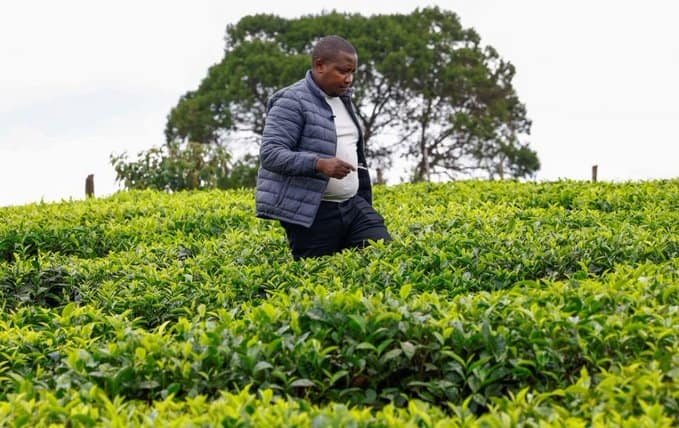
The aromatic leaves that fill millions of South African teacups each morning are trapped. Eight million kilograms of premium Kenyan tea—enough to brew over two billion cups—is currently languishing in port warehouses across East Africa, unable to reach international markets. The culprit: escalating shipping disruptions tied directly to the ongoing war involving Iran, according to a dire warning issued today by the East Africa Tea Traders Association (EATTA).
The crisis, which industry insiders are calling the worst logistical bottleneck for African tea in over a decade, threatens to ripple across the continent and hit South African importers, retailers, and consumers where it hurts most—their wallets and their weekly shopping baskets. With the key trade route through the Red Sea and Suez Canal now considered a high-risk war zone, vessels are being rerouted, delayed, or cancelled altogether.
A Perfect Storm at Sea
Speaking to reporters from their headquarters in Mombasa, Kenya—the region’s primary tea export hub—EATTA Secretary General George Omollo painted a grim picture of congestion and paralysis.
“Eight million kilograms. That is not a minor backlog. That is a catastrophic failure in the supply chain,” Omollo said, his voice heavy with frustration. “The tea is perfectly good. It is graded, packaged, and ready to ship. But the vessels are not coming. And if they do come, insurance premiums have tripled, and captains are refusing to sail through the Bab el-Mandeb strait.”
The disruption stems from the ongoing conflict involving Iran, which has seen Iranian-backed Houthi forces in Yemen targeting commercial shipping in the Red Sea. The alternative route—around the Cape of Good Hope—adds roughly 10 to 14 days of sailing time and hundreds of thousands of dollars in fuel and labor costs. For a perishable (or at least time-sensitive) commodity like tea, every extra day degrades quality and erodes profit margins.
South Africa in the Firing Line
While the tea is physically sitting in Mombasa and Dar es Salaam, the economic pain will be felt acutely in Johannesburg, Durban, and Cape Town. South Africa is one of the largest importers of Kenyan tea on the continent, relying on the bright, bold flavors of Kenyan black tea for major blending houses, private label brands, and even the ubiquitous “spaza shop” loose-leaf packets.
“The timing could not be worse,” said Priya Naidoo, a supply chain analyst specializing in agricultural commodities. “South Africa is heading into winter. Tea consumption spikes in colder months. If these shipments do not clear in the next two to three weeks, retailers will start rationing stock. Prices will jump by an estimated 25 to 40 percent by June.”
Naidoo added that smaller tea importers—those without long-term contracts or deep pockets—are already scrambling. “I know of at least three independent importers in Durban who have been told by their Kenyan suppliers that their containers have been ‘rolled’ indefinitely. They are now looking at buying from Rwanda or Malawi, but those volumes are tiny compared to Kenya.”
The Consumer’s Cup
For the average South African household, the coming weeks could bring an unwelcome surprise at the checkout counter. A standard 500g packet of blended black tea that currently retails for around R45 to R60 could rise to R70 or more. Restaurants, coffee shops, and roadside vendors who rely on affordable tea to drive foot traffic will face a brutal choice: absorb the cost and shrink margins, or raise prices and risk losing customers.
“We are already operating on razor-thin margins,” said Miriam Tshabalala, who runs a popular shisanyama and tea stall in Soweto. “If my tea supplier doubles his price, I cannot double my cup price. People will just drink water. This war in Iran feels very far away, but now it is inside my kitchen.”
Kenyan Growers Left Holding the Leaves
On the other side of the crisis, Kenyan tea farmers are watching their livelihoods rot—not in the field, but in bonded warehouses. Smallholder farmers, who produce nearly 60 percent of Kenya’s tea, have already harvested and processed their leaves. They have been paid by the brokers. But the brokers themselves are now sitting on millions of kilograms of unpaid inventory.
“We are bleeding storage fees. Mombasa port authorities are charging demurrage and detention fees by the day,” said James Mwangi, a tea auction agent who represents over 2,000 small-scale farmers. “If this lasts another month, some of this tea will have to be destroyed or sold at a massive loss for animal feed. It is heartbreaking. That tea represents school fees, hospital bills, and seeds for the next planting season.”
Diplomatic and Logistical Efforts Underway
The East Africa Tea Traders Association has issued an urgent appeal to the Kenyan and South African governments to intervene. Proposals on the table include:
- Temporary warehousing in Durban and Cape Town – Shipping the stranded tea via the longer Cape route but waiving port fees to offset higher shipping costs.
- Air freight subsidies – A highly expensive but potentially life-saving measure for premium, high-grade teas.
- Diplomatic pressure – Engaging with Iran-aligned actors to secure safe passage guarantees for civilian cargo vessels.
A spokesperson for the South African Department of Trade, Industry and Competition (DTIC) said they were “monitoring the situation closely” but stopped short of announcing any immediate relief measures.
Looking Ahead
For now, millions of kilograms of Kenya’s finest tea remain trapped—caught between a war zone and a wall of red tape. And for millions of South Africans who begin their day with a warm, strong brew, the silence of the kettle may soon be replaced by the bitter taste of scarcity.
“We take tea for granted,” Omollo reflected. “It is the drink of comfort, of conversation, of mourning and celebration. But when a mother in Johannesburg cannot afford a box of tea for her children on a cold morning, that is not just an economic failure. That is a human tragedy. And it is unfolding right now.”
About The Author