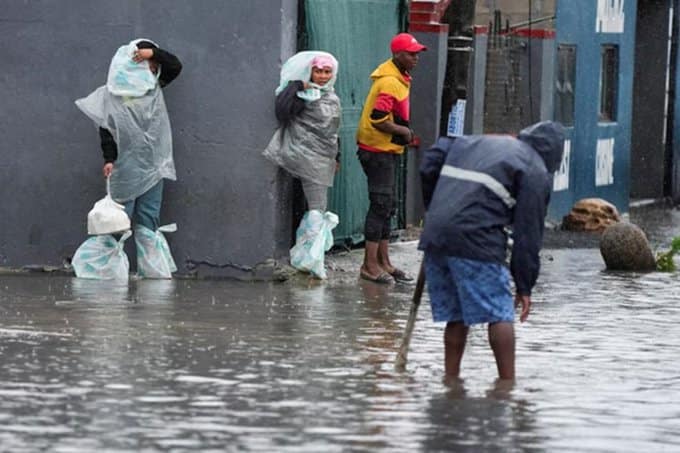
The rugged, breathtaking passes of the Baviaanskloof Wilderness Area have become an inescapable trap. More than 200 families, some of whom have lived in this remote region for generations, remain completely stranded tonight after catastrophic flooding and widespread infrastructure collapse triggered by relentless heavy rainfall that began pounding the Eastern Cape in early May 2026.
The humanitarian organization Gift of the Givers, which has established an emergency forward base in Willowmore, confirmed that the families are now cut off from the outside world, with no reliable access to food, clean drinking water, medicine, or basic supplies. Dangerous conditions—including fast-moving floodwaters, unstable roads, mudslides, and washed-out bridges—have rendered both rescue and relief operations perilously slow, according to field coordinators on the ground.
“We are looking at a rapidly deteriorating humanitarian situation,” said a spokesperson for Gift of the Givers, speaking via a patchy satellite connection from the edge of the flooded zone. “These families are not just uncomfortable—they are trapped. Some have been without fresh supplies for nearly a week. The elderly, children, and pregnant women are our primary concern.”
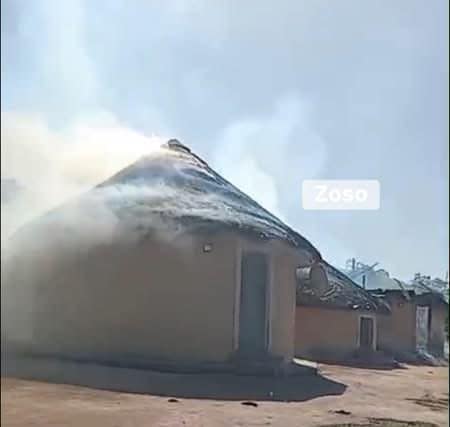
The Baviaanskloof, a UNESCO-declared World Heritage Site famous for its dramatic mountain scenery and biodiversity, is one of South Africa’s most isolated regions. Its winding gravel roads and low-water bridges are notoriously fragile even in good weather. The early May downpour—described by local farmers as the heaviest in nearly two decades—turned seasonal rivers into raging torrents overnight. Entire sections of the main access road have been swept away, leaving the area accessible only by helicopter or on foot through treacherous terrain.
Local authorities in Willowmore, the nearest town of significant size, have declared a local state of disaster. Emergency management services attempted a ground convoy on Saturday but were forced to turn back after a rescue vehicle nearly plunged into a newly formed ravine. “The ground is still moving,” said a municipal disaster official who requested anonymity. “We cannot risk sending more people in only to have them need rescuing themselves.”
For the stranded families, many of whom live on small-holdings, guest farms, and conservation outposts scattered across the valley, each passing hour deepens the crisis. Gift of the Givers reports that while no fatalities have been confirmed, they have received distressing messages relayed via neighbors with weak cellphone signals: families running out of infant formula, diabetics with dwindling insulin supplies, and at least three elderly residents experiencing health scares without access to a clinic.
“We are doing everything we can to airdrop basic supplies,” the Gift of the Givers spokesperson added. The organization has mobilized drone teams and is liaising with private helicopter operators to assess drop zones. However, the same weather system that caused the floods continues to hover over the region, with intermittent rain and thick low cloud cover grounding some aircraft. Ground teams have staged supplies—non-perishable food, water purification tablets, blankets, and basic medical kits—at a forward warehouse in Willowmore, waiting for a narrow weather window.
In the meantime, the organization has issued an urgent appeal for additional funding and aviation resources. “This is not a flood that made headlines nationally like some urban disasters,” the spokesperson noted. “But for those 200 families, it is everything. They are invisible right now, tucked away in one of the most beautiful and most dangerous corners of our country.”
Residents of Willowmore and surrounding communities have begun organizing informal donation drives, while the Eastern Cape provincial government has promised an update on Monday regarding possible military or police air support. For now, the families of Baviaanskloof wait—some on rooftops, others in hastily reinforced farmhouses—listening to the distant thrum of helicopters that cannot yet reach them, and watching the rivers that refuse to recede.
About The Author