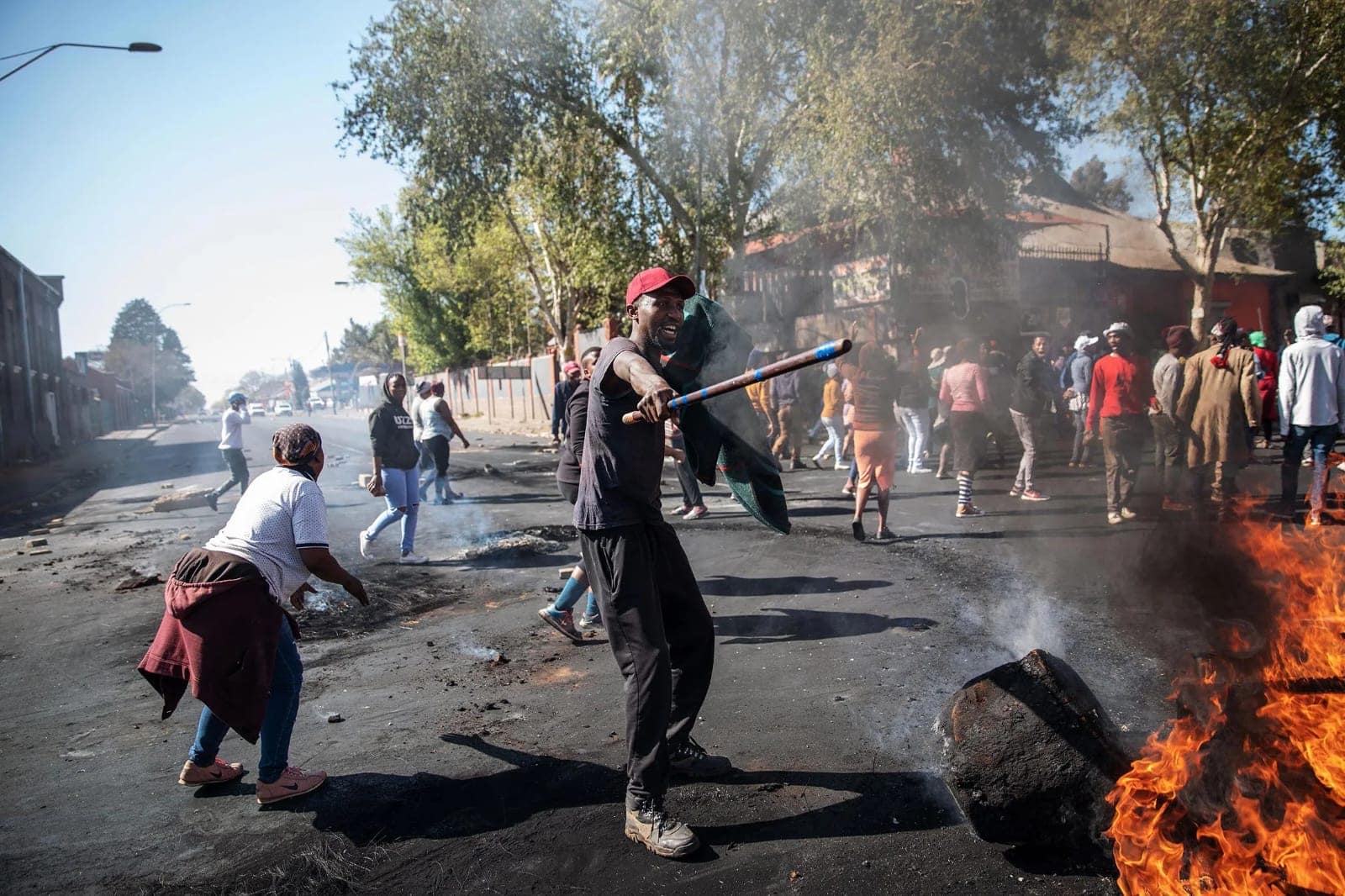
For two years, the eThekwini metropolitan municipality—the crown jewel of KwaZulu-Natal’s coastline—has been a study in dysfunction. Plagued by catastrophic floods, political infighting, vacant critical posts, and a crumbling infrastructure that left residents in the dark and with raw sewage running in the streets, the city once famed for its tropical holiday charm had become a byword for service delivery collapse. But on Friday, President Cyril Ramaphosa stepped forward with a message that sought to replace despair with a cautious dose of hope.
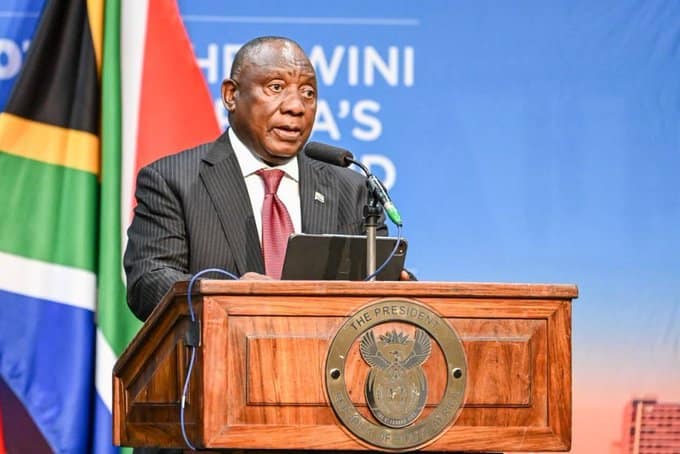
Chairing a meeting of the Presidential eThekwini Working Group in Durban, the President declared that the special intervention team he dispatched to the city is beginning to bear fruit. According to Ramaphosa, the clouds are parting, and a tangible recovery is now taking shape.
“This city has been through two incredibly tough years, but the signs are clear: stability is returning, and we are now seeing real, on-the-ground progress,” Ramaphosa told reporters following the closed-door session. “The Presidential eThekwini Working Group was not established to be a talk-shop. It was established to fix things, and by every indication, it is starting to do exactly that.”
The working group, a high-level task team comprising national ministers, provincial leaders, and municipal managers, was Ramaphosa’s bold answer to a crisis that had spiraled out of local control. When he launched it last year, the city was in a state of paralysis. The aftermath of the April 2022 floods that killed over 400 people had exposed the fragility of the metro’s infrastructure. Potholes swallowed roads, the water system was unreliable, and the much-publicized breakdown of the pump station at the Northern Wastewater Treatment Works had turned the Umgeni River into an environmental and health hazard.
Compounding the physical decay was a governance vacuum. The municipality had gone through multiple mayors in rapid succession, and the vacancy rate for senior management positions was alarmingly high, leaving critical decisions unmade and budgets unspent.
According to Ramaphosa, that paralysis is now being broken. The President highlighted several key areas where the working group has made inroads. The stabilization of the political leadership, with the appointment of a more permanent executive, has allowed for strategic continuity. The process of filling essential technical posts—from engineers to financial officers—is underway, bringing much-needed expertise back into the administration.
“We are dealing with the basics,” Ramaphosa emphasized. “We are fixing the water infrastructure so that taps do not run dry. We are attending to the wastewater treatment works to ensure our rivers are clean. We are restoring the dignity of our people by ensuring that when they open a tap, water comes out, and when they flush a toilet, it goes where it is supposed to go.”
The mention of the Northern Wastewater Treatment Works was significant. For months, residents along the Umgeni River had complained of a stench so potent it made life unbearable, a direct result of raw sewage pouring into the waterway. Reports from the working group indicate that emergency repairs have been prioritized, with new pumps installed and a long-term refurbishment plan now in motion.
However, the President was careful to manage expectations. He acknowledged that the damage accumulated over years cannot be undone in months, and that the people of eThekwini must remain patient as the recovery takes hold.
“We are not claiming victory. There is still a mountain of work to do,” he conceded. “But we are no longer at the bottom of the mountain looking up. We are climbing, and the trajectory is positive.”
The message was met with a mixture of skepticism and cautious optimism on the streets of Durban. In the township of uMlazi, where burst pipes have left residents reliant on communal standpipes for weeks, community leader Thabo Zondi welcomed the news but demanded proof.
“We have heard many promises from many presidents and many mayors,” Zondi said. “The proof will not be in the press conference. The proof will be in my yard, when I turn on my tap and water flows for a whole week without stopping. If that happens, then I will believe the recovery has taken shape.”
The business community, which has watched the degradation of the city’s port and infrastructure with growing alarm, has also been watching the working group closely. The Durban Chamber of Commerce has reported a slight uptick in confidence, citing the unblocking of supply chain bottlenecks and a more cooperative relationship between the metro and national government.
As Ramaphosa departed Durban, the message from the Union Buildings was clear: the Presidential working group is not a temporary plaster, but an attempt at major surgery. The diagnosis was grim, but according to the President, the patient is finally showing signs of life.
For the 4 million residents of eThekwini, the true test will come in the weeks and months ahead. If the lights stay on, the taps keep running, and the beaches remain open, then Ramaphosa’s declaration of progress will be more than just political rhetoric—it will be the beginning of a long-awaited renaissance for a city that has every right to be one of Africa’s greatest.
About The Author