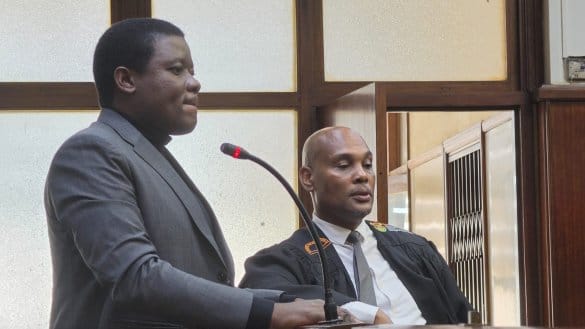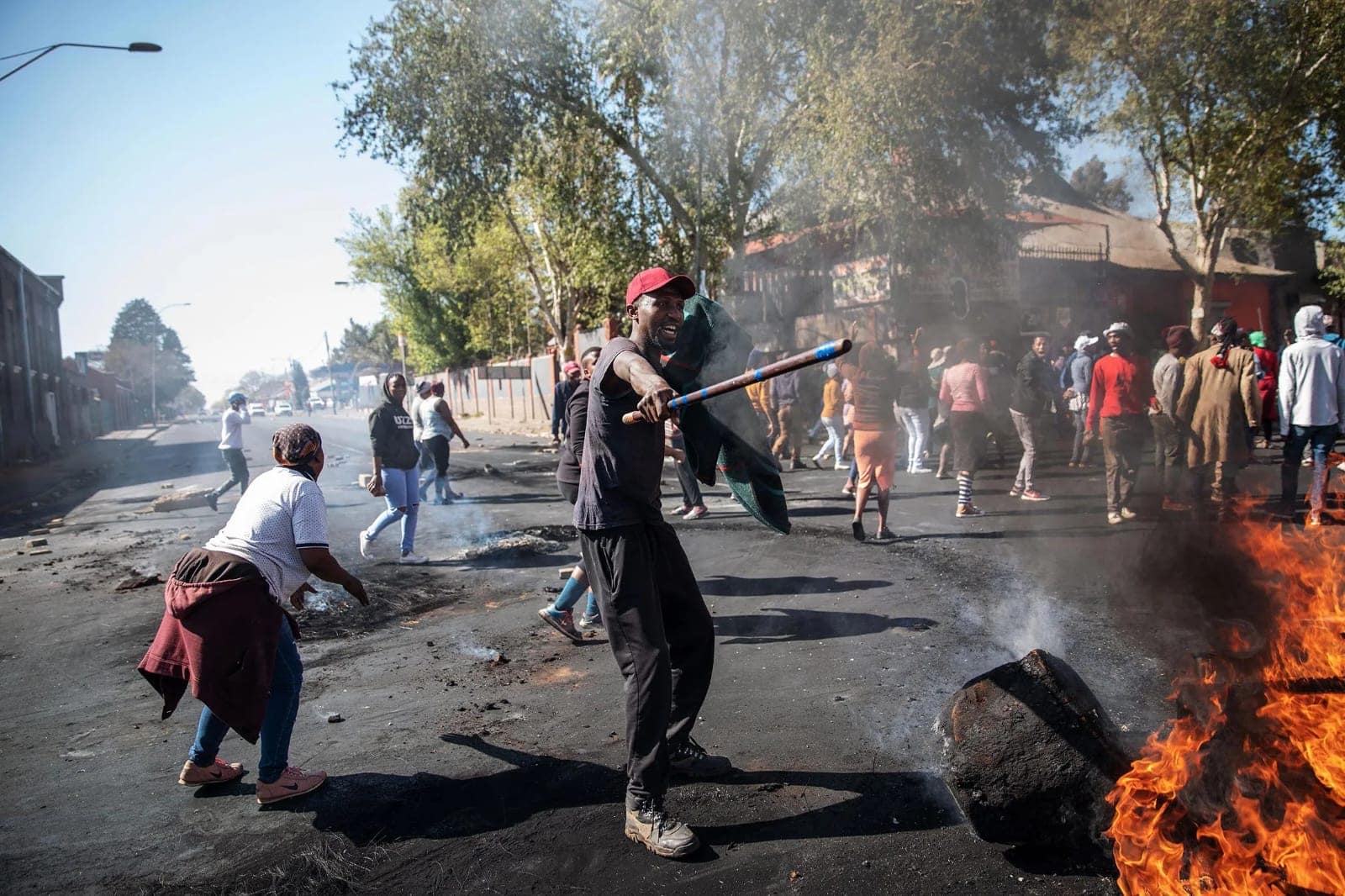
In a dramatic act of defiance against intimidation and violence, the high-stakes Madlanga Commission of Inquiry has formally submitted its Interim Report to President Cyril Ramaphosa, marking a critical juncture in its investigation into grave allegations of state corruption and criminal infiltration. The delivery of the report, confirmed on Wednesday, 17 December 2025, comes amidst a climate of palpable fear following the assassination of a key witness just weeks ago—a killing the commission has condemned as a direct assault on the constitutional order.
The commission, chaired by the respected Justice Thandiwe Madlanga, was established in the political firestorm that followed explosive sworn testimony by Lieutenant-General Nhlanhla Mkhwanazi, the head of Crime Intelligence, before the Zondo Commission in July. Mkhwanazi’s allegations—pointing to a vast network of political and criminal collusion aimed at looting state resources and sabotaging law enforcement—necessitated a dedicated, focused inquiry.
A Mountain of Evidence and a Chilling Warning
To date, the inquiry has made significant headway through 45 gruelling days of public hearings. It has heard from 37 witnesses, ranging from senior law enforcement officials and forensic auditors to former politicians and confidential informants. This testimony has generated over 8,000 pages of transcripts and necessitated the submission of 120 meticulously catalogued bundles of evidence, painting a complex and disturbing picture of systemic rot.
However, the commission’s progress has been brutally underscored by tragedy. In early December, Marius van der Merwe, a former logistics contractor for a state security entity who had provided detailed testimony on covert procurement irregularities, was gunned down in a professional-style hit outside his home in Kempton Park. The murder sent shockwaves through the commission and the nation.
In a powerfully worded statement accompanying the announcement of the interim report, commission spokesperson Jeremy Michaels did not mince words. He labelled Van der Merwe’s “brutal killing” an “inflection point” that had clarified the existential nature of the inquiry’s work.
“This cowardly act is not just the murder of a citizen; it is a direct message from the shadows, an attempt to silence the truth and paralyze the machinery of justice with fear,” Michaels stated. “It highlights the determination of certain criminal elements, who have profited from the decay of our institutions, to obstruct this commission at any cost.”
A Vow to Continue and a Call to Arms
In response to this intimidation, the commission issued a defiant vow. “We wish to state unequivocally: this Commission will not be intimidated, it will not be derailed, and it will not retreat,” Michaels declared. The statement called upon all arms of law enforcement—specifically the South African Police Service and the Directorate for Priority Crime Investigation (the Hawks)—to spare no resource in bringing the perpetrators and their instigators to justice.
Paradoxically, officials close to the inquiry report that the murder has, in some quarters, had a galvanising effect. “There has been a renewed vigour,” one source noted under condition of anonymity. “Where some may have been hesitant, Van der Merwe’s sacrifice has stirred a sense of moral duty. We have had more witnesses, including some holding highly sensitive information, come forward in the last two weeks, determined not to let his death be in vain.”
The commission’s work has been followed with intense public interest. Live streams of the hearings have reached a cumulative audience of millions, and daily reports have dominated media headlines, reflecting a nation’s desperate hunger for accountability.
The Path Forward: A Pause, Then a Renewed Onslaught
With the interim report—whose contents remain confidential, submitted solely for the President’s attention—now delivered, the commission will enter a brief recess over the festive season. However, this will not be a full stop. Essential legal and investigative staff will continue working through the break, analysing evidence, securing documentation, and preparing for the next phase.
Public hearings are scheduled to resume in January 2026, with dozens more witnesses already lined up to testify. The coming year is expected to see testimony delve deeper into specific allegations of procurement fraud, political manipulation of law enforcement appointments, and the alleged links between senior figures and organised crime networks.
The Madlanga Commission now stands at a crossroads, its procedural progress forever marked by bloodshed. Its interim report is not merely an update on findings; it is a testament to its resolve. The world will be watching in January to see if South Africa’s pursuit of truth can withstand the violence of those who thrive in the dark.
About The Author