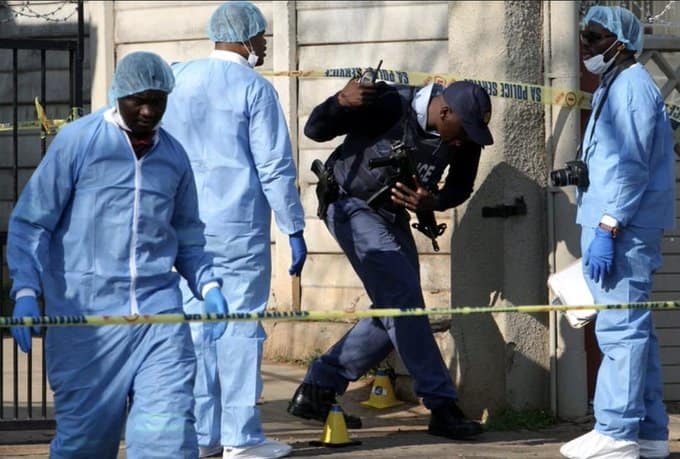
Johannesburg – A shadow of fear is creeping across Gauteng. The province, already known for its high levels of criminal activity, is now confronting a dramatic and terrifying surge in kidnappings, with new statistics revealing a crisis that is ensnaring ordinary citizens in what was once considered a rare and extreme crime. Police have issued an urgent public warning after it was revealed that between October and December 2025, Gauteng recorded a staggering 2,572 kidnapping incidents.
This figure, which represents a 2.1% increase from the previous quarter and accounts for more than half of the national total, has sent shockwaves through communities and prompted an urgent reassessment of safety strategies. The statistics, released by the South African Police Service (SAPS), paint a picture of a province under siege by a specific and opportunistic breed of criminal.
Contrary to the popular perception of kidnappings being complex, high-stakes plots targeting the wealthy for massive ransoms, police are warning that the vast majority of these cases are far more sinister in their spontaneity and brutality. Authorities state that the surge is directly linked to other contact crimes, namely hijackings and house robberies.
“The narrative has shifted,” said SAPS Provincial Commissioner Lieutenant Colonel Mpho Kekana during a press briefing in Johannesburg. “We are seeing a trend where a hijacking or a robbery quickly escalates into a kidnapping. The criminal’s initial intent is to steal a vehicle or valuables, but when they realize there is additional opportunity—often in the form of bank cards or cellphone banking apps—they force the victim into the vehicle. The victim is then driven around, often for hours, under extreme duress, forced to withdraw cash from multiple ATMs or make electronic payments until their accounts are drained.”
This “crimes within a crime” phenomenon has turned everyday errands into potential nightmares. A quick stop at an ATM, arriving home after dark, or simply sitting in one’s car waiting to pick up a child from school are now moments of heightened vulnerability. In many cases, victims are released hours later, traumatized and financially devastated, in unfamiliar and often dangerous townships on the outskirts of the city.
The human toll of these statistics is immeasurable. “My husband left for work on a Tuesday morning and didn’t come home,” said one Johannesburg resident, who asked to remain anonymous for fear of reprisal. “They took him and his car. For six hours, I was getting frantic calls from him, but it was the kidnappers, telling me to transfer money or they’d kill him. It was a nightmare. We paid, and they left him in Tembisa. He’s not the same person. The trauma is a life sentence.”
The economic hub of the nation, Gauteng’s dense population, extensive road networks, and concentration of wealth make it a prime hunting ground for these criminals. The 2.1% quarterly increase, while seemingly modest, represents a significant number of additional victims and points to the failure of current interventions to curb the tide.
Community safety forums have expressed outrage and deep concern. “These are not just numbers on a spreadsheet; they are our neighbors, our colleagues, our family members,” said Thabo Maseko, chairperson of a community policing forum in Soweto. “The police keep telling us to be vigilant, but what does that even mean anymore? Not drive? Not stop at a robot? We need a dedicated, visible, and aggressive task force to hunt these perpetrators down. The sense of security in this province has been completely shattered.”
The ripple effects extend beyond individual trauma. Businesses are increasingly concerned about the safety of their employees, with some companies now offering defensive driving courses and implementing strict “safe arrival” protocols. The spike in kidnappings also threatens to tarnish the province’s image, potentially impacting investment and tourism.
In response to the crisis, SAPS has announced the bolstering of its provincial kidnapping task team, with a focus on intelligence-led operations and improved coordination with private security companies. “We are redirecting resources and utilizing advanced crime pattern analysis to anticipate and disrupt these criminal networks,” assured Commissioner Kekana. “We are also appealing to the public to play their part—not just by being vigilant, but by coming forward with any information that could lead to arrests.”
As Gauteng grapples with this terrifying new normal, the call for stronger measures echoes across its cities and townships. The fight against this surge is not just about reclaiming stolen goods or vehicles; it is about reclaiming the fundamental freedom to move through one’s own province without the paralyzing fear of becoming another statistic in a nationwide kidnapping crisis.
About The Author