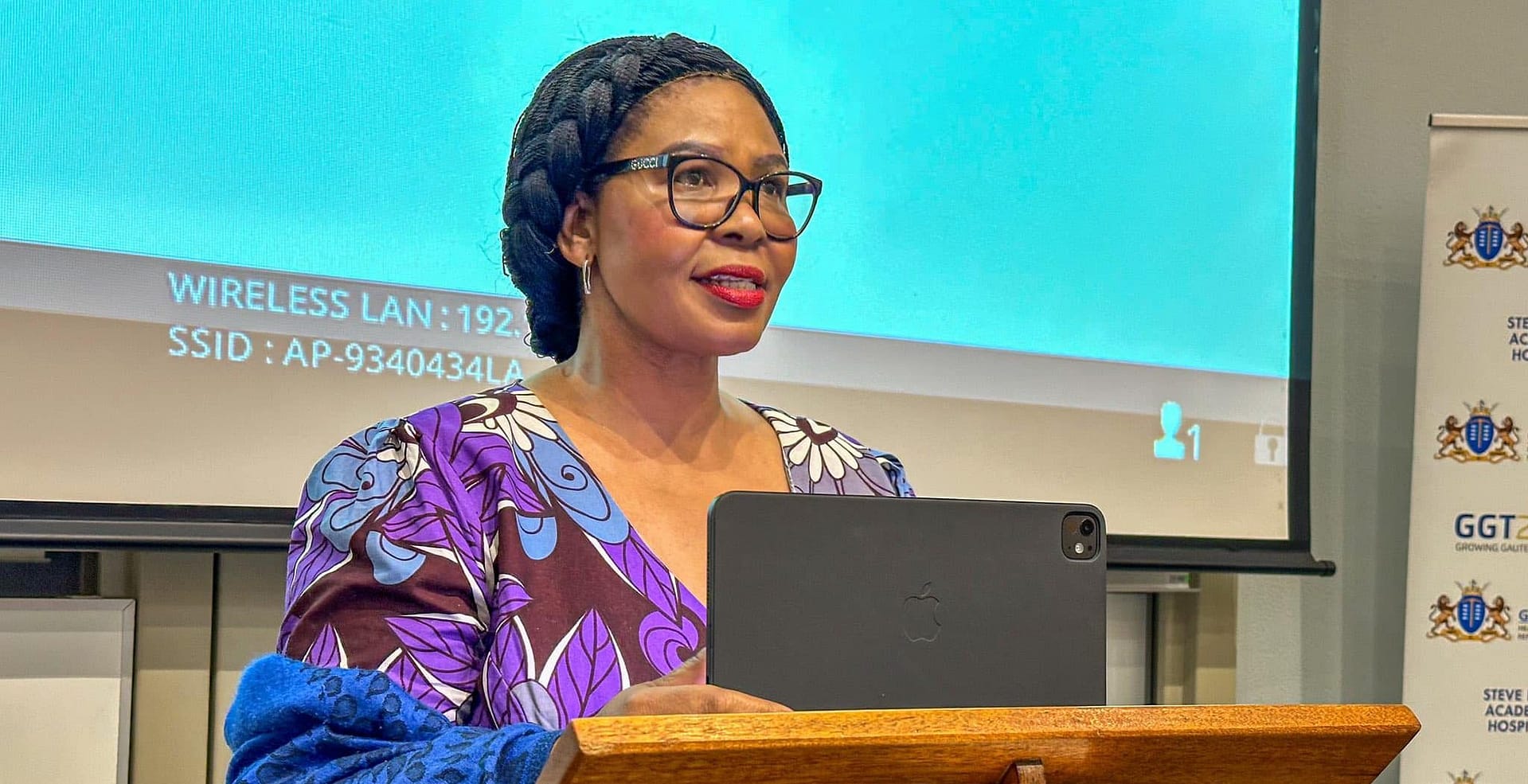
In a dramatic reversal of fortune, the Gauteng Department of Health has successfully slashed its crippling medico-legal claims from a staggering R18 billion to R6.9 billion in just over a year, signaling what officials describe as a profound “culture shift” and a return to accountable governance within the province’s beleaguered healthcare system.
The landmark achievement, announced by Health and Wellness MEC Nomantu Nkomo-Ralehoko at a media briefing in Johannesburg, is being hailed as more than a financial victory. It represents the culmination of a strategic overhaul designed to rescue a department once drowning in litigation linked to poor record-keeping, administrative negligence, and opportunistic lawsuits.
A Strategic Overhaul, Not Just Austerity
“This isn’t just about cutting numbers,” MEC Nkomo-Ralehoko emphasized. “It’s about rebuilding integrity in public healthcare, improving service quality, and protecting the system from abuse. We are not simply settling claims; we are fixing the root causes that generate them.”
For years, the department was a prime target for litigation, with its vulnerabilities creating a multi-billion-rand liability that threatened to bankrupt essential services. The turnaround was engineered through a new, aggressive litigation management strategy. This included conducting rigorous case audits to weed out dormant and duplicated claims, empowering the department’s legal team to robustly defend legitimate cases rather than settling by default, and implementing tighter administrative controls to prevent the errors that often lead to lawsuits in the first place.
From Courtrooms to Clinics: A Holistic Healing
The reform drive, however, extends far beyond the courtroom. Recognizing that legal claims are a symptom of systemic failures, the department has launched a parallel initiative to uplift the entire healthcare ecosystem.
Over 1,000 healthcare workers have undergone targeted training in health technology, hygiene protocols, and management practices through partnerships with higher education institutions. Concurrently, a program of hospital and clinic upgrades is underway to improve the physical infrastructure of care.
“Our health workers are being upskilled to deliver better care, and our facilities are being rebuilt to meet the needs of a growing population,” Nkomo-Ralehoko stated. “That’s how we stop these cases before they even reach the courts. It is a proactive investment in quality that pays for itself.”
A National Blueprint for Recovery
Gauteng’s successful model has not gone unnoticed. The province’s blueprint for tackling medico-legal claims is now drawing significant national interest, with health departments in the Eastern Cape, KwaZulu-Natal, and Limpopo reportedly studying the approach to address their own soaring liabilities.
The combination of financial prudence and a renewed focus on frontline service delivery is fostering cautious optimism. “This is the beginning of a new chapter for Gauteng Health,” the MEC concluded, “one rooted in accountability, professionalism, and a commitment to our patients. We’re not just saving money—we’re saving the system.” The dramatic reduction in claims stands as a powerful testament to a government institution actively healing itself.
About The Author