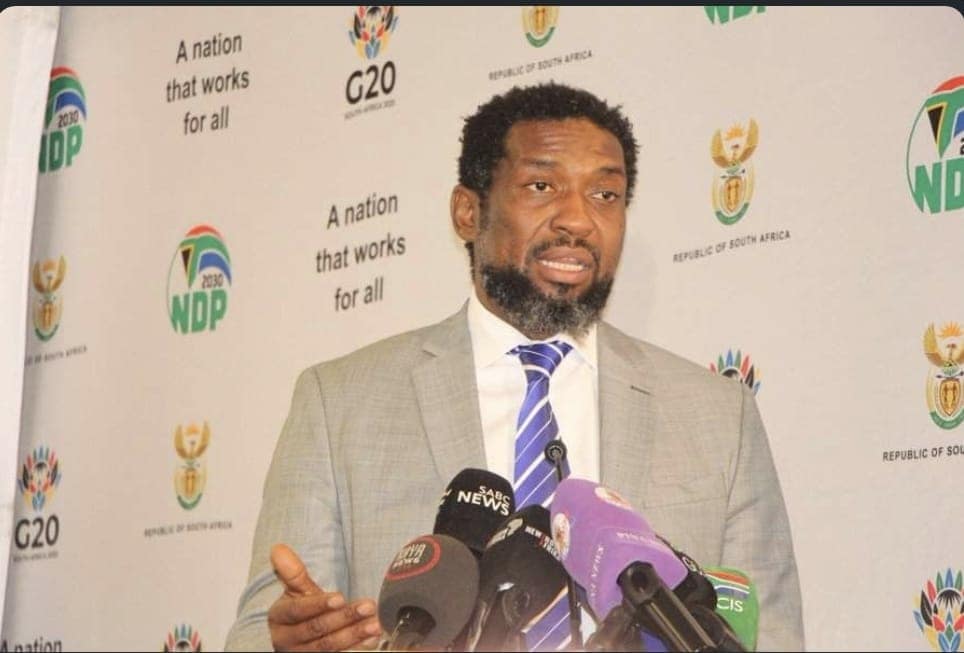
South Africa’s higher education sector has been thrust into renewed turmoil following a decisive move by Higher Education Minister Buti Manamela, who has issued formal notices of intent to cancel the registration of three prominent private institutions: Damelin, City Varsity, and ICESA City Campus. This action places the academic futures of tens of thousands of students in immediate jeopardy and raises urgent questions about institutional stability, regulatory oversight, and student protection in the private post-school education sector.
The Minister’s Notice: A Regulatory Tipping Point
The Department of Higher Education and Training (DHET) confirmed the notices on Tuesday, citing “ongoing and persistent non-compliance with the requirements of the Continuing Education and Training Act.” While specific details of the alleged violations remain under wraps, sources close to the matter indicate they relate to governance failures, financial mismanagement, and repeated lapses in quality assurance mechanisms.
This development is particularly striking given that these institutions only recently regained their full accreditation status earlier this year after a period of provisional registration. That restoration now appears to have been a temporary reprieve, suggesting deeper systemic issues that corrective measures failed to address.
Students Bear the Brunt: Uncertainty and Anxiety Mount
For the affected students—numbering in the tens of thousands across urban and rural campuses—the announcement has sparked waves of anxiety and confusion.
- Disrupted Trajectories: Many students are mid-qualification, facing the prospect of incomplete diplomas and degrees with uncertain transfer options.
- Financial Loss: Significant sums in tuition fees hang in the balance, with no clear guarantees of reimbursement or credit transfer to other institutions.
- Administrative Chaos: Critical records, including academic transcripts and assessment portfolios, could be at risk, complicating transfers or future employment.
- Emotional Toll: The psychological impact on students, many from working-class backgrounds who invested heavily in these colleges for upward mobility, is profound.
“I’m six months away from finishing my business management diploma. Where does this leave me?” asked Thandiwe Mokoena, a Damelin student in Johannesburg. “We were told everything was sorted. Now we’re in the dark again.”
A Sector Under Scrutiny: Recurring Troubles in Private Education
This is not an isolated incident in South Africa’s private higher education landscape. Over the past decade, several private colleges have faced deregistration, including the high-profile collapse of Educor brands (Lyceum College, Intellisys, and Damelin itself) in 2014, and more recently, the troubles at Southern Business School and Central Technical College.
Analysts point to a dual crisis: on one hand, some institutions engage in predatory practices, enrolling students without the capacity to deliver quality education; on the other, regulatory bodies struggle with effective monitoring and enforcement, allowing problems to fester until they reach a critical point.
“The cyclical nature of these crises—registration, de-registration, conditional re-registration, then back to de-registration—reveals a systemic failure,” said Dr. Lindiwe Nkosi, an education policy analyst at Wits University. “It points to inadequate ongoing oversight and a reactive rather than preventative regulatory approach.”
The Road Ahead: What Happens Next?
According to the legal framework, the colleges now have a stipulated period to make representations to the Minister as to why their registrations should not be cancelled. This could involve submitting turnaround plans, evidence of rectification, or legal challenges.
Should the deregistration proceed, the DHET has stated it will implement a “teach-out” or transfer plan to minimise disruption for current students. However, such plans in the past have been fraught with delays, administrative gaps, and limited placement options at comparable institutions.
The department has urged students to continue attending classes until further notice, as the institutions remain legally operational during the appeal process. A national hotline and dedicated email support have been established for concerned students and families.
Broader Implications: Trust and Transformation at Stake
This move reignites the debate about the role of private education in South Africa’s post-apartheid transformation project. Private colleges have filled a critical gap, offering vocational and niche programs often more responsive to market needs than public universities. Yet, repeated scandals undermine public trust and fuel scepticism about privatisation in education.
Stakeholders are calling for:
- Stronger student protection mechanisms, including guaranteed tuition insurance or a sector-wide compensation fund.
- More transparent and real-time monitoring of institutional compliance.
- Clearer pathways for student transfer and credit recognition between institutions in emergencies.
As the deadline for representations looms, thousands of students, along with educators and staff at these colleges, await a resolution that will determine not only the fate of three institutions but also the credibility of South Africa’s broader regulatory framework for private higher education.
About The Author