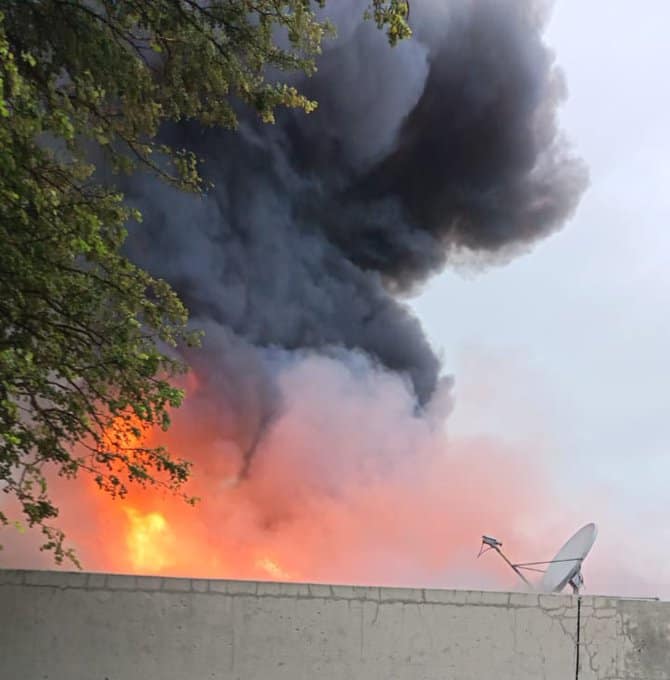
A fire broke out early on Tuesday morning, 21 April 2026, at the popular Lower Sabie Rest Camp in the Kruger National Park, causing significant damage to the camp’s shop and restaurant areas and forcing the evacuation of dozens of overnight visitors. The blaze, which began just before 4 a.m., sent thick smoke billowing over the Sabie River and triggered an emergency response that lasted well into the morning.
No fatalities have been reported, but two staff members sustained minor smoke inhalation injuries and were treated on the scene by paramedics. The cause of the fire remains under investigation, though preliminary reports suggest an electrical fault in the kitchen area of the restaurant may have been the source.
A Morning of Chaos and Fear
The Lower Sabie Rest Camp, one of the most beloved and busiest camps in the Kruger National Park, was jolted awake by shouts and alarms long before sunrise. Guests staying in the camp’s bungalows, safari tents, and camping sites described being woken by the smell of smoke and the sound of crackling flames.
“I thought I was dreaming at first. Then I opened my door and saw orange light coming from the direction of the shop,” said David van der Merwe, 52, a tourist from Cape Town who was staying at the camp with his wife and two children. “Within minutes, the fire had spread. The flames were high—higher than the trees. People were running, grabbing their children, trying to get to the parking area. It was chaos.”
Camp staff moved quickly, waking guests and directing them to the main reception area and then to designated evacuation points near the camp’s entrance gate. Some guests left behind personal belongings in their rush to safety.
“The fire was very close to some of the bungalows. I saw one family run out in their pajamas, barefoot, carrying only their passports and a phone,” said Thabo Ndlovu, a camp cleaner who was on night duty. “The heat was intense. We could feel it on our faces from 50 meters away.”
By 5 a.m., all guests had been accounted for and evacuated to a temporary assembly point at the nearby Lower Sabie picnic site, where park rangers distributed bottled water and blankets. Emergency services from Skukuza and Hazyview arrived shortly thereafter to assist.
The Damage: Shop and Restaurant Gutted
The fire is believed to have started in the kitchen of the camp’s restaurant, which overlooks the Sabie River and is famous among visitors for its scenic views and buffet breakfasts. From there, it spread rapidly to the adjoining shop, which sold groceries, souvenirs, camping supplies, and basic medical items.
By the time firefighters brought the blaze under control at approximately 6:30 a.m., both structures had been almost completely gutted. The restaurant’s thatched roof collapsed inward, and the shop’s inventory—including food, beverages, clothing, and souvenirs—was reduced to ash and charred debris.
“The shop and restaurant are total losses. We estimate damage to be in the region of R15 million to R20 million, including stock, equipment, and structural damage,” said SANParks spokesperson Isaac Phaahla during a media briefing at the camp. “We are grateful that no guests were injured and that our staff acted swiftly to evacuate the area. The fire could have been much worse.”
Adjacent structures, including the camp’s reception area and several nearby bungalows, sustained minor heat and smoke damage but remain structurally sound. The camp’s fuel station, located approximately 100 meters from the fire, was not affected.
Impact on Visitors and Operations
Lower Sabie Rest Camp is one of the Kruger National Park’s most popular camps, especially during the autumn school holiday period. At the time of the fire, the camp was fully booked, with approximately 280 guests staying overnight.
Most of those guests have since been relocated to other camps within the park, including Skukuza, Crocodile Bridge, and Berg-en-Dal. SANParks arranged transport for guests who did not have their own vehicles, and refunds or credits are being offered for the remaining nights of their bookings.
“We are very sorry for the inconvenience and distress caused to our visitors,” Phaahla said. “We ask for their understanding as we work to restore services. The safety of our guests and staff is always our first priority.”
For visitors who had planned to dine at the Lower Sabie restaurant or stock up at the shop, alternative arrangements have been made. A temporary mobile kitchen has been set up at the picnic site, offering basic meals and refreshments. A small pop-up shop is also being organized, though supplies will be limited for the next several days.
The camp’s accommodation units—bungalows, safari tents, and camping sites—remain open and operational, as they were not directly affected by the fire. However, guests are being advised to expect reduced services until the shop and restaurant can be rebuilt.
Investigation Underway
SANParks has launched a full investigation into the cause of the fire, assisted by the South African Police Service (SAPS) and private forensic experts. While initial reports point to an electrical fault in the restaurant kitchen, investigators have not ruled out other possibilities, including arson or negligence.
“We are treating this matter seriously. The scene has been secured, and forensic teams are examining the debris for evidence,” said Phaahla. “We will release a preliminary report within 14 days. If foul play is discovered, the responsible parties will face the full might of the law.”
Several staff members who were working in the kitchen area at the time of the fire have been interviewed. None have been identified as suspects, though investigators have not ruled out human error as a contributing factor.
Wildlife Unaffected, but Rangers on Alert
One concern raised by environmentalists was the potential impact of the fire on nearby wildlife. The Lower Sabie area is known for its high concentration of animals, including lions, leopards, elephants, buffalo, and hippos that frequent the Sabie River.
Fortunately, the fire was contained within the camp’s perimeter and did not spread into the surrounding bush. Park rangers were deployed to monitor wildlife behavior, and no animals were reported injured or displaced.
“The fire was intense but localized. The bush around the camp is green at this time of year, so the risk of a runaway veld fire was low,” said senior ranger Hendrik Matlala. “We had firebreaks in place, and our teams acted quickly. The animals were never in danger.”
However, rangers noted that some animals—particularly elephants and baboons—are attracted to the smell of smoke and fire-damaged areas. “We are keeping a close watch,” Matlala added. “So far, everything is calm.”
A Beloved Camp’s Uncertain Future
Lower Sabie Rest Camp holds a special place in the hearts of many South Africans and international visitors. Built on the banks of the Sabie River, it offers some of the best game viewing in the park, with frequent sightings of lions, leopards, and large herds of elephants drinking from the river.
The camp’s restaurant, with its deck overlooking the water, was a favorite spot for breakfast, lunch, and sunset drinks. Its shop was a lifeline for visitors needing supplies, from ice and firewood to insect repellent and camera batteries.
“The Lower Sabie shop and restaurant are not just buildings. They are part of the Kruger experience,” said veteran tour operator Johan Botha, who has been bringing groups to the park for over 30 years. “I have sat on that deck hundreds of times, watching elephants cross the river while sipping coffee. It will be strange to visit without it. But they will rebuild. They always do.”
SANParks has confirmed that reconstruction of the shop and restaurant will begin as soon as the investigation is complete and insurance claims are processed. Officials estimate that the rebuild could take between six and nine months, meaning the facilities may not reopen until late 2026 or early 2027.
“We are committed to rebuilding, and we will build back better,” Phaahla said. “In the meantime, we ask our loyal visitors to bear with us. The Kruger National Park remains open. The animals are still here. The magic is still here.”
Community Support and Solidarity
News of the fire has prompted an outpouring of support from the tourism industry and the broader public. Several lodges and camps in the area have offered to accommodate displaced guests at reduced rates. Local businesses have pledged donations to help replace the shop’s lost stock.
“It’s a tragedy, but it’s also an opportunity to show the spirit of the Lowveld,” said Linda Makhubela, owner of a guesthouse in nearby Hazyview. “We will support SANParks in any way we can. Lower Sabie will rise again.”
A crowdfunding campaign has been launched by the Friends of the Kruger National Park association to help replace the shop’s inventory, which included locally made crafts and products sold by small-scale entrepreneurs. Donations can be made via the association’s website.
A Quiet Morning After
By Tuesday afternoon, the smoke had cleared. Firefighters packed up their hoses and trucks. Guests who had been evacuated returned to their bungalows to collect their belongings. A few families decided to extend their stay, determined not to let the fire ruin their holiday.
At the temporary picnic site, a young girl ate a peanut butter sandwich while watching a herd of impala graze in the distance. Her mother sipped tea from a paper cup and stared at the charred remains of the shop across the field.
“We came here for the elephants,” the mother said. “We didn’t expect to see fire. But we are safe. That is what matters. And the elephants are still here.”
Behind her, a ranger stood watch, scanning the river for movement. A fish eagle cried out, its call echoing across the water. The Kruger National Park—resilient, ancient, and wild—had survived another day.
About The Author