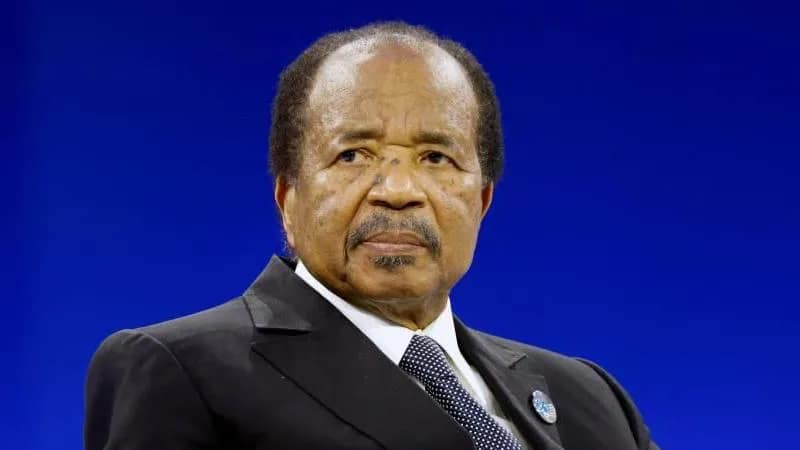
Cameroon’s 92-year-old President Paul Biya has been proclaimed the winner of a controversial election, securing an eighth consecutive term and extending his 43-year rule. The official result, giving Biya 53.7% of the vote against main challenger Issa Tchiroma Bakary’s 35.2%, has been met with a mix of resignation and fury in a nation accustomed to his victory.
The election reinforces Biya’s status as the world’s oldest head of state, but his prolonged rule is increasingly defined by his absence. Known for extended, unexplained stays at a hotel in Geneva, his inscrutable and detached governing style has created a power vacuum filled by aides and fueled speculation about his health and who truly governs Cameroon.
While Biya has maintained a fragile balance in a complex, linguistically divided nation, his regime has been marked by a lack of political vision. His slow response to the bloody crisis in the English-speaking regions, where a separatist conflict has festered since 2016, has exposed the limits of his distant leadership.
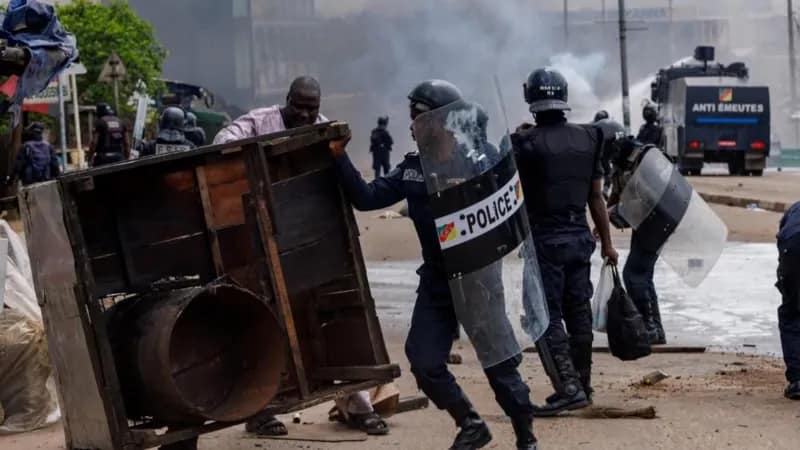
This election, however, signaled a shift. Challenger Issa Tchiroma built a broader coalition than previous opponents, even apologizing for government actions in the anglophone regions. His campaign created a palpable sense of possibility, making the outcome—despite its inevitability—a source of intense frustration. Reports of security forces shooting protesters in Douala and Garoua following the announcement highlight the high stakes of Biya’s determination to cling to power, leaving Cameroon’s future more uncertain than ever.
About The Author