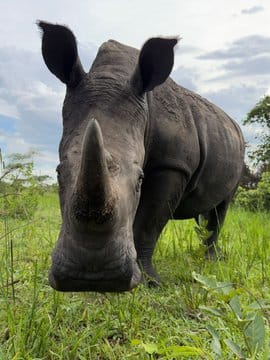
The crack of gunfire shattered the pre-dawn silence of the Kruger National Park on Sunday morning, marking the end of a deadly encounter between suspected poachers and the rangers sworn to protect South Africa’s dwindling rhino population. When the shooting stopped, five suspected poachers lay dead, two rhinos had already been lost, and another battle in the endless war against wildlife crime had been fought—and won, at a terrible cost.
According to South African National Parks (SANParks), the incident unfolded during a routine anti-poaching patrol by the park’s dedicated field rangers in a remote section of the world-famous reserve. The rangers, operating on intelligence and following fresh tracks, came across the suspected poaching group in the act of killing rhinos. Two rhinos had already been shot dead, and the poachers were busy harvesting the horn from one of the animals when the rangers intercepted them.
“A confrontation ensued, and the suspects opened fire on the rangers,” said SANParks spokesperson Ike Phaahla. “The rangers returned fire in self-defence. When the shooting ceased, five suspects had been fatally wounded. No rangers were injured.”
The firefight, which lasted only a few minutes, left a scene of grim finality. Automatic rifles, ammunition, axes, and poaching equipment were recovered at the site, along with two fresh rhino horns. The bodies of the five suspects have been handed over to the South African Police Service (SAPS) for identification and investigation.
“We mourn the loss of the two rhinos, but we also acknowledge the loss of human life—even if those lives were taken in the commission of a crime,” Phaahla added. “Our rangers are trained to protect and to preserve, but they are also authorized to defend themselves when fired upon. This was a lawful engagement.”
The incident brings the total number of rhino poaching-related deaths inside Kruger this year to 12 suspected poachers killed, according to unofficial counts. Rhino poaching across South Africa has declined in recent years due to intensified anti-poaching efforts, but the threat remains acute, driven by insatiable demand for rhino horn in Asian markets.
“Every rhino lost is a tragedy,” said Dr. Jo Shaw, an African wildlife expert. “But every poacher killed is also a tragedy—a human tragedy, often rooted in poverty and criminal syndicates. The solution is not more shootouts. It is disrupting the trafficking chains, reducing demand, and offering alternative livelihoods. Until then, the killing will continue, on both sides.”
SANParks has launched an internal review of the incident, which is standard procedure for any use of lethal force by rangers. The five deceased have not yet been publicly identified, and autopsies are expected to be conducted in the coming days.
For the rangers who survived the firefight, there is no celebration. Only the quiet, grim return to patrol—and the knowledge that tomorrow, somewhere else in the park, another group may be crossing the border, rifles in hand, ready to kill again.
About The Author