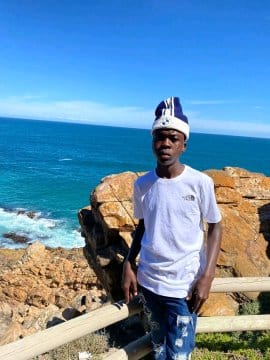
A wave of grief and outrage has swept across South Africa’s social media landscape following the alleged killing of a Tsonga teenager from Limpopo, identified only as Nhlamulo, who friends claim was stabbed to death in Mossel Bay on May 31 after being mistaken for a foreign national during violent protests targeting undocumented migrants. The tragedy, if confirmed, threatens to tear open fresh wounds in a nation already scarred by periodic outbreaks of xenophobic and ethnic violence.
According to friends who spoke anonymously for fear of retaliation, the 17-year-old had relocated to the Western Cape coastal town only months ago in search of work opportunities. On the evening of May 31, they allege, he was confronted by a group of individuals participating in ongoing unrest that began on May 29. The protests, initially sparked by community grievances over crime and the perceived proliferation of undocumented foreign nationals, have since spiraled into arson, widespread looting, and at least two previously confirmed deaths. Nhlamulo’s attackers, friends say, accused him of being a foreigner based on his accent and appearance—despite him carrying a South African identity document. He was stabbed multiple times and died before paramedics could arrive.
The police have confirmed two fatalities linked to the Mossel Bay unrest but have not officially connected Nhlamulo’s death—nor the alleged language-based motive—to the ongoing protests. Western Cape provincial police spokesperson Sergeant Wesley Twigg stated that investigations are at an early stage and urged the public not to spread unverified information. However, the delay in official confirmation has done little to calm rising anger online.
Across Twitter, TikTok, and Facebook, the hashtag #JusticeForNhlamulo has surged, with thousands demanding an immediate, transparent investigation. “This is not xenophobia—this is tribalism,” one prominent activist wrote. “A Tsonga child killed by people who couldn’t tell the difference between a foreigner and a fellow South African.” Civil rights organizations have called on the South African Human Rights Commission to intervene, warning that without swift accountability, Mossel Bay could become a flashpoint for wider ethnic confrontations. For Nhlamulo’s family in Limpopo, still waiting for their son’s body to be returned, the wait for answers is unbearable.
About The Author