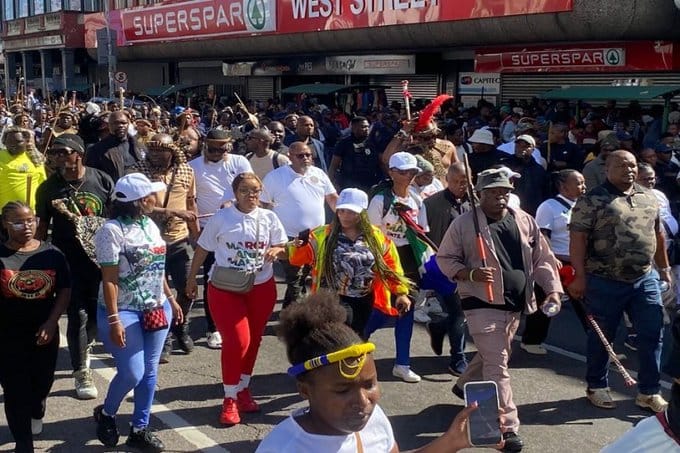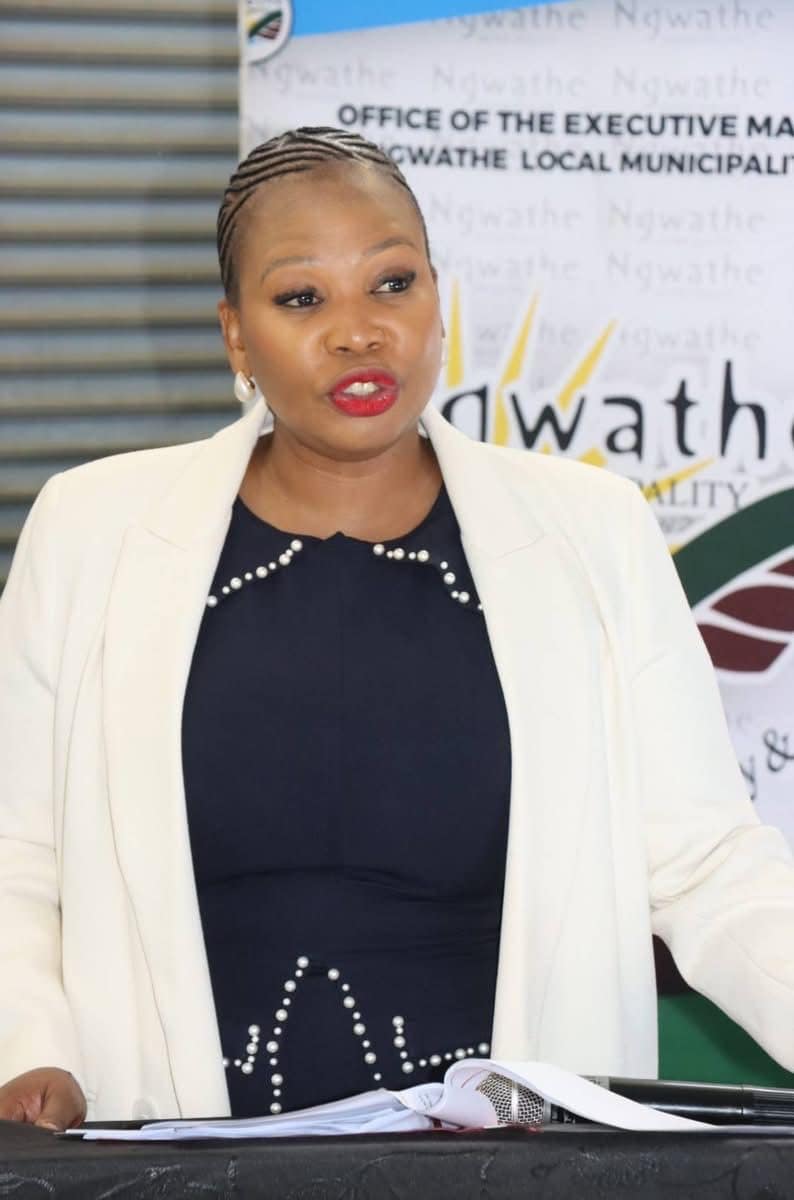
In the heart of the Free State, where the Vaal River meanders past the historic town of Parys and the legacy of the Vredefort Dome speaks to ancient times, a new chapter of fiscal resolve has begun. It was in the dusty, vibrant streets of Tumahole that Ngwathe Local Municipality’s Executive Mayor, Cllr Victoria de Beer-Mthombeni, stood before a crowd of expectant residents, council officials, and community leaders. With the air thick with both hope and skepticism, she tabled the municipality’s 2026/2027 annual budget—a bold R1.7 billion expenditure plan that she promised would be measured not in spreadsheets, but in taps that finally run clear, roads that no longer swallow car tires, and a local economy that breathes again.
“For too long,” the Mayor declared, “our people have watched water trickle while their bills rose. They have dodged potholes on their way to jobs that don’t exist.” The budget she unveiled seeks to flip that narrative. The single largest slice of the R1.7 billion is earmarked for water infrastructure—rehabilitating pump stations in Koppies, replacing aging pipes in Heilbron, and drilling new boreholes in Edenville. Next, a major allocation targets the resealing and regravelling of arterial roads connecting Parys to Vredefort and Tumahole’s inner streets, many of which have become nearly impassable during summer rains.
But the Mayor was unflinching on a tougher truth: revenue collection. Without a functional billing system and a ruthless crackdown on overdue accounts—including large agricultural and commercial debtors—the budget would remain a fantasy. “We will collect what is owed,” she warned, “not to punish, but to build.” Alongside enforcement, the plan invests in local economic growth: a revamped small-scale farming hub in Heilbron, tourism signage along the Dome route, and a streamlined licensing process for informal traders in Parys’ central business district.
As the document thudded onto the council table, applause rose from some, while others waited for proof. But for the first time in years, Ngwathe had a budget that married ambition with discipline—a blueprint to turn R1.7 billion into something more valuable than currency: trust.
About The Author