In a ceremony marked more by quiet resolve than fanfare, a pivotal terminal operator agreement was signed at the Port of Ngqura on Wednesday, sending a powerful signal that South Africa’s energy and logistics landscape is finally turning a corner. The deal, struck between Transnet National Ports Authority and a consortium of private investors, is being hailed by industry analysts as the kind of catalytic intervention the struggling sector has desperately needed.
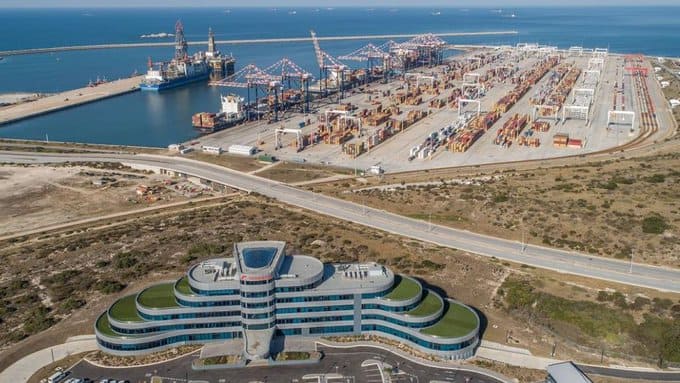
The agreement grants a private terminal operator long-term rights to manage and expand critical liquid bulk handling facilities at Ngqura, the country’s youngest and most technologically advanced deep-water port. For years, the port has operated below capacity, hampered by aging infrastructure, mismanagement, and chronic underinvestment. Now, with private sector expertise and capital flowing in, the tide appears to be shifting.
“This is not just a contract. It is a declaration of confidence,” said an official from the Department of Transport, speaking at the signing. “Ngqura is the future, and today we are building its foundation.”
The economic ripple effects are expected to be substantial. During construction phases, hundreds of local jobs will be created, with dozens of permanent operational positions to follow. Small businesses in the surrounding Nelson Mandela Bay metro—from catering to logistics support—stand to benefit from the increased port activity. Moreover, the upgraded terminal will reduce turnaround times for vessels, making Ngqura a more attractive destination for international shipping lines currently bypassing South African ports in favor of regional competitors.
Beyond jobs and efficiency, the agreement signals something deeper: a blueprint for public-private partnership in a country where such collaborations have often stalled. If successful, the Ngqura model could be replicated at other underperforming ports, unlocking billions in potential investment.
As the last pen was lifted from the document, port executives and investors shook hands against the backdrop of towering cranes and the distant horizon of the Indian Ocean. For Gqeberha—and for South Africa—the message was clear: growth has a new address.
About The Author