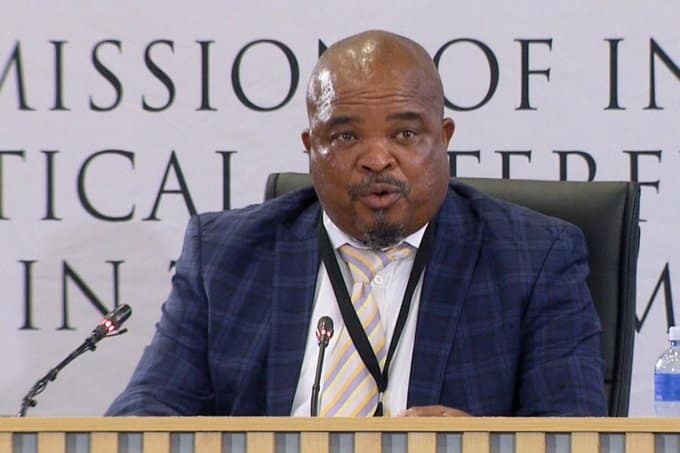
The Madlanga Commission of Inquiry was plunged into explosive new territory on Tuesday as chilling testimony revealed an alleged conspiracy stretching from the boardrooms of Transnet to the shores of Brazil. The commission, already tasked with untangling a web of corruption and political interference across South Africa’s criminal justice system, heard detailed claims that a senior insider within the state-owned logistics company actively collaborated with compromised police officers to facilitate the trafficking of massive cocaine shipments.
According to a witness testifying under tight security, the alleged operation exploited Transnet’s access to sensitive shipping schedules and port security protocols. The insider would reportedly identify specific containers arriving from Brazilian ports—known hubs for South American cartels—and then coordinate with a network of corrupt officers from the South African Police Service (SAPS). These officers would, for a fee, either look the other way or actively escort the shipments out of the port facilities, bypassing scanners and canine units.
“This was not opportunistic theft. This was a syndicate operating with the blueprints of our national logistics system,” the witness testified. “They knew which cameras were broken. They knew when shift changes happened. They knew the names of the captains.”
The testimony forms a critical pillar of the commission’s broader probe into criminality, political interference and state capture within the justice and security clusters. Evidence presented suggests the scheme may have allowed hundreds of kilograms of cocaine to flow into South African streets, fueling local gang wars and corrupting law enforcement from within.
Commission chairperson Justice Madlanga pressed for names, warning that the alleged collusion represented “a complete breakdown of the state’s sovereign duty to protect its borders.” The commission has since summoned two senior port officials to testify next week, as pressure mounts for arrests and systemic reforms at Transnet and SAPS.
About The Author