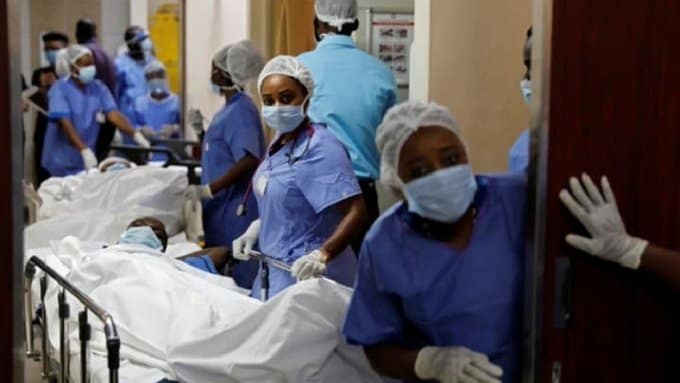
The plea comes not from patients, but from those who care for them. As South Africa marks Nurses Month, what should be a time of celebration has instead become a cry for help. Across the country, nurses are speaking out—through exhaustion, through tears, through the hollowed eyes of professionals who have simply given too much for too long.
Concerns about burnout, severe staff shortages, and the steady migration of nurses to better opportunities overseas have reached a critical point, placing unsustainable pressure on an already stretched public health system. The result, according to nursing unions and healthcare advocates, is a crisis that is deepening by the day.
“We are at breaking point,” said a senior nurse at a Gauteng tertiary hospital, speaking on condition of anonymity. “We work double shifts. We go without breaks. We watch our colleagues collapse, and then we step over them to keep working because there is no one else. This is not dedication. This is desperation.”
The numbers paint a grim picture. The South African Nursing Council (SANC) estimates a national shortfall of over 30,000 nurses. At the same time, thousands more leave the country each year for better pay and working conditions in the United Kingdom, Australia, Canada, and the Middle East. Those who remain are left to fill the gaps, often working 12-to-16-hour shifts in under-resourced facilities.
“It is a vicious cycle,” said Democratic Nursing Organisation of South Africa (DENOSA) president Simon Hlungwani. “Shortages lead to overwork. Overwork leads to burnout. Burnout leads to more nurses leaving. And those who stay burn out faster. We cannot fix this without urgent government intervention.”
Burnout among nurses manifests physically and psychologically: chronic fatigue, insomnia, anxiety, depression, and post-traumatic stress. At several hospitals, nurses have reported being physically assaulted by patients or visitors, adding a layer of trauma to their daily work.
“We are not robots,” said a nurse at a Limpopo clinic. “We cry in the storeroom. We cry in the car before we go home. We cry because we want to give good care, but we cannot. There are too many patients. Too few of us. And no one seems to listen.”
Nurses Month is intended to honour the profession. This year, however, many nurses are using the platform to demand action: better pay, safer working conditions, more recruitment, and better retention strategies to stop the brain drain.
“We don’t want medals,” the Gauteng nurse said. “We want colleagues. We want sleep. We want to do our jobs without feeling like we are drowning. Is that too much to ask?”
The Department of Health has acknowledged the crisis in broad terms but has yet to announce a comprehensive plan to address it. For now, the nurses wait—and work, and cry, and hope that someone, somewhere, is finally listening.
About The Author