MOSSEL BAY – In a heartening display of rural solidarity, farmers in the Gouritz area near Mossel Bay have received a powerful show of community support as residents, businesses, and civil society organizations rally behind them during one of the most challenging periods in recent memory. The outpouring of backing comes as the region grapples with the twin pressures of a long-running drought and mounting economic strains that have pushed many agricultural operations to the brink.
The Gouritz Valley, known for its fertile farmlands, picturesque landscapes, and vital role in the Western Cape’s agricultural output, has become the focal point of a grassroots movement that underscores the deep interdependence between farmers and the communities they sustain. What began as informal conversations among concerned residents has blossomed into a coordinated effort to provide practical, emotional, and financial support to farmers who have weathered years of uncertainty.
For the farmers of Gouritz, the community’s embrace has been a lifeline—both tangible and symbolic—in a season marked by parched earth, dwindling water reserves, and the gnawing anxiety of an uncertain future.
A Region Under Siege
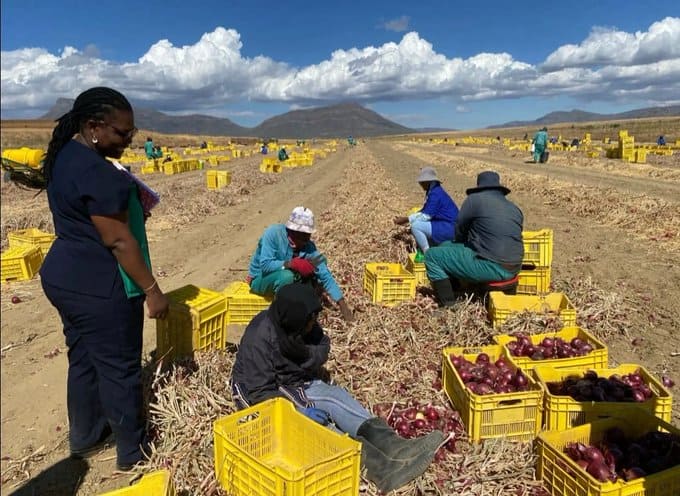
The Gouritz area, nestled in the heart of the Garden Route, has long been a cornerstone of the Western Cape’s agricultural economy. Farmers in the region cultivate a diverse range of products, from citrus and vegetables to livestock and wool. The area also supports a thriving agri-tourism sector, with visitors drawn to its scenic beauty, wine estates, and farm-to-table experiences.
But for the past several years, the region has been in the grip of a relentless drought. Rainfall patterns have become increasingly erratic, with some farms recording their lowest precipitation levels in decades. Dam levels have dropped precipitously, and farmers have been forced to make agonizing decisions about which crops to save, which livestock to cull, and which workers to retain.
The drought has been compounded by broader economic headwinds. Rising input costs—fuel, feed, fertilizer, and electricity—have squeezed profit margins to the breaking point. Export markets have become more competitive, and supply chain disruptions have added layers of complexity to an already precarious existence. For many farmers, the dream of passing the family farm to the next generation has begun to feel increasingly out of reach.
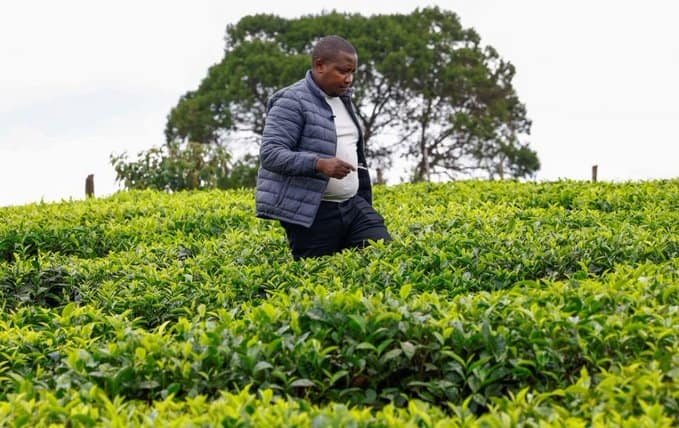
“It has been a long, hard road,” said one Gouritz farmer, speaking on condition of anonymity as he paused from checking irrigation lines that delivered only a fraction of the water his orchards needed. “You wake up every day wondering if this will be the year you have to make the call you never wanted to make. But what has kept us going is knowing that our community has not abandoned us. That means more than words can say.”
Community Rallies
The show of support has taken many forms, reflecting the creativity and determination of the Gouritz community. Local churches have organized prayer gatherings and collection drives, gathering non-perishable food items and toiletries for farming families who have seen their incomes shrink. Neighboring towns, including Mossel Bay, Albertinia, and Riversdale, have sent delegations offering whatever assistance they can provide.
Perhaps most significantly, a network of local businesses has stepped up to offer practical relief. Agricultural suppliers have extended credit terms to struggling farmers, allowing them to access essential inputs without immediate payment. Machinery cooperatives have formed, enabling farmers to share expensive equipment rather than bearing the full cost individually. Some hospitality establishments in the area have launched initiatives to promote local produce, helping farmers access direct markets and bypass strained supply chains.
One particularly moving initiative has been the “Meal for a Farmer” campaign, organized by a collective of Gouritz residents. Volunteers prepare and deliver hot meals to farming families who have been working from dawn to dusk, often skipping meals to save time and resources. What began as a small gesture has grown into a weekly operation, with dozens of families receiving nourishment and, just as importantly, a reminder that they are seen and valued.
“These farmers feed us,” said Mariaan van der Merwe, one of the campaign’s coordinators. “They work tirelessly so that there is food on our tables. Now it is our turn to make sure there is food on theirs. This is not charity—it is reciprocity. It is what community looks like.”
Organizations Step In
Alongside grassroots efforts, established agricultural and civic organizations have mobilized to provide more structured support. Agri Western Cape has deployed extension officers to the Gouritz area, offering technical advice on drought management, water conservation, and alternative cropping strategies. The organization has also facilitated workshops on financial planning and stress management, recognizing that the psychological toll of prolonged hardship can be as devastating as the physical impact.
The Western Cape Department of Agriculture has been involved as well, working with farmers to access drought relief funding and exploring long-term solutions for water security. Officials have conducted site visits to assess infrastructure needs, with an emphasis on repairing and upgrading irrigation systems to maximize efficiency.
Local branches of the Red Cross and other humanitarian organizations have also stepped in, providing emergency food parcels and connecting farming families with social support services. For many farmers accustomed to being the providers rather than the recipients of aid, accepting help has required a shift in mindset—one that community members have sought to normalize by emphasizing that seeking support is a sign of strength, not weakness.
The Emotional Toll
Behind the practical challenges lies a deeper, quieter struggle. Farming is more than an occupation in rural South Africa; it is an identity, a heritage, and often a legacy passed down through generations. When that legacy is threatened, the emotional toll can be profound.
Mental health advocates who have worked with farming communities note that rates of anxiety, depression, and stress-related illness tend to spike during periods of drought and economic distress. The isolation of farm life, combined with the cultural reluctance to admit vulnerability, can make it difficult for farmers to seek help.
Recognizing this, community organizations in Gouritz have worked to create safe spaces for farmers to share their experiences. Informal gatherings, initially organized as information sessions, have evolved into support groups where farmers speak openly about their fears and frustrations. The simple act of realizing they are not alone has been transformative for many.
“There is a culture of stoicism in farming,” said a local counselor who has been volunteering her time to support the community. “Farmers are taught to be strong, to persevere, to handle things on their own. But when you have been battling for years, that stoicism can become isolation. What we are seeing now is farmers allowing themselves to be vulnerable with each other, and that is incredibly powerful.”
A Symbol of Resilience
The community backing in Gouritz has not gone unnoticed beyond the region’s borders. Agricultural leaders across the Western Cape have pointed to the Gouritz model as an example of what can be achieved when communities recognize that the fate of farmers is intertwined with their own.
“When farmers struggle, the entire community feels it,” said a representative from Agri Western Cape. “Jobs are lost, local businesses suffer, the social fabric frays. But when communities stand with farmers, everyone benefits. What is happening in Gouritz is a blueprint for how we should be supporting our agricultural sector across the province.”
For the farmers themselves, the message has been received loud and clear. At a recent gathering organized to thank the community for its support, farmers spoke of renewed hope and a deepened sense of belonging. Many acknowledged that while the drought is far from over and the economic pressures remain severe, the knowledge that they are not alone has shifted something fundamental.
“We are still facing a tough road,” one farmer told the gathering, his voice thick with emotion. “The rain has not come, the bills have not stopped, and the uncertainty has not lifted. But we are no longer facing it alone. That changes everything.”
Looking Ahead
As the Western Cape moves deeper into autumn, the region’s farmers continue to scan the skies for signs of rain. Long-term forecasts remain mixed, and water security will likely remain a concern for the foreseeable future. But in Gouritz, there is a palpable sense that something important has been built amid the hardship.
The community support that has emerged is not a one-time gesture but an ongoing commitment. Residents have established a coordinating committee to ensure that assistance continues to flow where it is most needed. Plans are underway to explore more permanent solutions, including water-sharing agreements among farms and collaborative marketing initiatives to help local producers reach broader audiences.
For now, the farmers of Gouritz are taking things one day at a time—tending to their land, caring for their animals, and drawing strength from the community that has wrapped itself around them. In a season of scarcity, they have discovered an abundance of solidarity.
“Farming has always been about hope,” said the farmer who spoke earlier, wiping sweat from his brow as he looked out over his fields. “You plant seeds believing that something will grow. This year, the seeds that have grown are not just in the soil. They are in the hearts of the people around us. And that harvest—that is something no drought can ever take away.”
The community of Gouritz continues to coordinate support efforts, with interested individuals and organizations encouraged to reach out to local civic groups or agricultural unions for information on how to contribute.
About The Author