One of the most protracted and peculiar corporate battles in South African history has finally reached its conclusion. The Competition Commission has granted its approval for the American luxury fashion giant Ralph Lauren Corporation to acquire the local “Polo” brand from the LA Group, drawing the curtain on a 48-year saga of courtroom clashes, consumer confusion, and a trademark standoff that kept a global titan out of a key market.
The agreement marks the end of a bizarre feud that began in 1976, when the South African LA Group registered a near-identical polo player logo—a strategic move that came just nine years after Ralph Lauren founded his iconic brand in the United States. For nearly five decades, this single registration created a parallel fashion universe in South Africa, where generations of consumers bought “Polo” clothing, often under the mistaken impression they were purchasing the authentic American article.
A Tale of Two Ponies: Decades of Deliberate Confusion
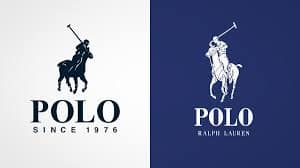
The heart of the dispute lay in the striking similarity of the logos. Both featured a polo player astride a galloping horse, an image synonymous with preppy elegance. The key differentiator, known only to trademark lawyers and fashion aficionados, was the direction the pony faced: the South African rider faced right, while Ralph Lauren’s original faced left.
This subtle distinction was lost on the average shopper, a ambiguity the LA Group was accused of exploiting to build its brand. Ralph Lauren Corporation, despite its global dominance, found itself legally blocked from selling its core Polo Ralph Lauren clothing line in South Africa, creating the extraordinary situation where one of the world’s most recognizable fashion labels was virtually absent from the retail landscape.
The Endgame: A Billion-Dollar Behemoth Swallows Its Doppelgänger
The decision to sell signals a strategic capitulation by the LA Group and a long-game victory for Ralph Lauren. For a corporation valued at approximately $16 billion, with operations in over 180 countries, the inability to operate in South Africa had become an increasingly glaring anomaly, especially as the country’s luxury market grew.
The approval from the Competition Commission, however, did not come without conditions. In a move highlighting concerns over corporate consolidation, the commission has expressly banned any retrenchments of the existing Polo South Africa staff as a condition of the sale. This stipulation is designed to safeguard local jobs and ensure the takeover does not come at a social cost to the South African economy.
A New Chapter for SA Retail
The acquisition paves the way for an immediate and sweeping transformation of the South African retail sector. For the first time, consumers will have direct access to the full range of Ralph Lauren’s Polo offerings, from the classic cotton piqué shirts to its expansive collections.
“The ‘Polo War’ was a unique piece of South African business folklore,” commented a veteran retail analyst. “It was a case study in how local laws could, for a time, hold a global force at bay. But in today’s interconnected market, this outcome was inevitable. Ralph Lauren wasn’t just buying a competitor; it was buying the keys to its own kingdom, finally unlocking the South African market after a 48-year wait.”
For South Africans, the deal ends an era of sartorial mistaken identity. The local pony has been corralled by the global brand it mirrored for so long, closing a chapter on one of the business world’s longest-running and most curious logo wars.
About The Author