The air in the meeting hall in Durban was thick with desperation, but it was also laced with a fierce, unyielding resolve. On Thursday, February 19, 2026, representatives of the South African Farmers’ Development Association (SAFDA) gathered not to mourn, but to declare war on a corporate collapse that threatens to annihilate their way of life. Their target was not a person, but a process: the looming provisional liquidation of Tongaat Hulett, a 130-year-old sugar giant that has ground to a halt under the weight of debt, mismanagement, and a hostile market.
“We will do everything in our power to stop this shutdown,” a SAFDA leader thundered to a crowd of small-scale farmers, their faces etched with the anxiety of men and women who stare into an abyss. “We will chain ourselves to the gates if we have to. We will march on the Union Buildings. But we will not stand by and watch our livelihoods be destroyed by administrators and accountants who have never set foot in a cane field.”
The crisis that has brought the industry to its knees reached a critical inflection point this week. Tongaat Hulett, once the jewel of KwaZulu-Natal’s north coast, saw its already fragile business rescue plan collapse, pushing the company to the precipice of provisional liquidation. For months, business rescue practitioners had tried to stitch together a viable future for the company, juggling debts estimated at over R9 billion, aging infrastructure, and a complex web of creditors. But the deal fell apart, leaving the future of thousands of workers, and the farmers who supply the mills, hanging by a thread.
The Human Cost of a Corporate Collapse
To the urban observer, the liquidation of a company might sound like a distant financial event. But in the lush, rolling hills of northern KZN, it is an apocalypse. Tongaat Hulett is not just a company; it is an economic ecosystem. Its mills are the beating hearts of towns like Gledhow, Amatikulu, and Maidstone. When they fall silent, the entire region flatlines.
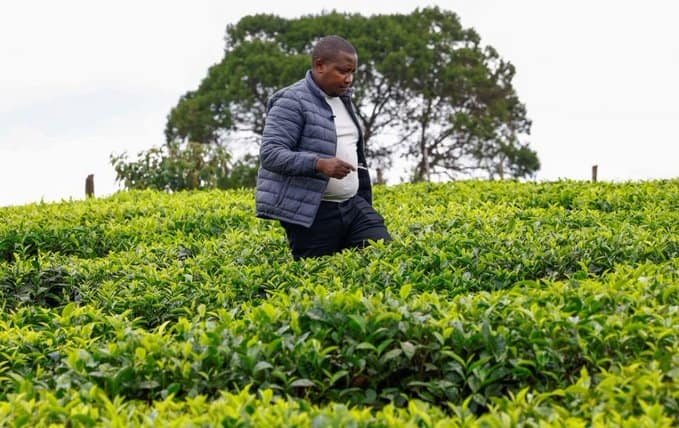
For the SAFDA, which represents a significant number of small-scale growers, many of whom are previously disadvantaged farmers who entered the industry through land reform programmes, the stakes are existential. These are not wealthy commercial farmers with diversified portfolios. They are individuals and families who invested everything—their land grants, their government loans, their sweat—into sugarcane. They planted their crops based on a single promise: that Tongaat Hulett would be there to mill it.
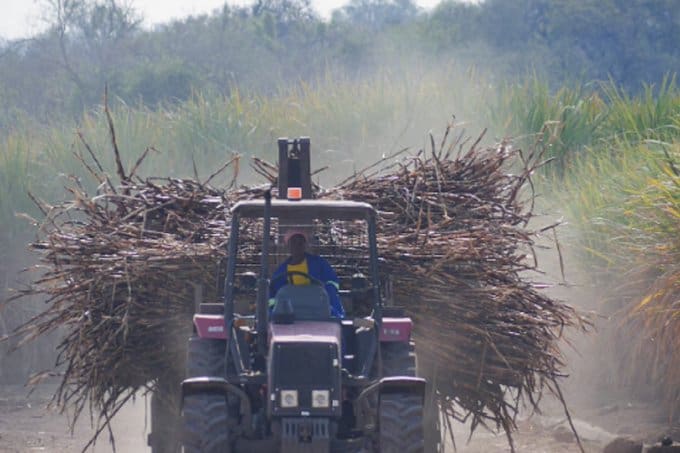
“If the mill closes, my cane is just grass,” said a farmer from the Stanger area, his voice trembling with a mixture of anger and despair. “It rots in the field. I cannot sell it anywhere else. There is no other buyer. The bank still wants its money, but I have no income. This is not just a job; this is my entire life’s work.”
The farmers’ anger is directed not only at the company’s financial mismanagement but also at a broader systemic failure. For years, they have warned that the South African sugar industry is being bled dry by a perfect storm of pressures: cheap, subsidised imports from countries like Brazil and Eswatini flooding the local market; the Health Promotion Levy (commonly known as the sugar tax), which has suppressed domestic demand; and rising input costs that make local production increasingly uncompetitive.
The Collapse of the Rescue Plan
The business rescue process for Tongaat Hulett was supposed to be the lifeline. Initiated in 2022 after the company was brought to its knees by years of accounting scandals and mismanagement, the plan aimed to restructure debt, sell non-core assets, and find a strategic equity partner. For a time, there was hope. The company managed to sell its starch operations and its stake in a Mozambican sugar business, raising much-needed capital.
However, the search for a suitable investor proved tortuous. Several potential buyers, including local and international consortiums, came and went. The complexity of the debt, the age of the milling infrastructure (requiring massive capital expenditure), and the challenging operating environment scared off many. When the latest iteration of the rescue plan fell apart in February 2026, it was the final nail in the coffin for many.
The business rescue practitioners cited an inability to secure the necessary funding to keep the mills operational through the next crushing season. Without that funding, the cycle is broken. Farmers cannot afford to harvest if there is no guarantee of payment. The mills cannot afford to open if there is no guarantee of cane.
A Political Powder Keg
The SAFDA’s vow of resistance immediately raised the political temperature. The crisis is a massive headache for the government, particularly the provincial government in KwaZulu-Natal, an election battleground where rural votes are crucial. Thousands of direct jobs are at risk, but the multiplier effect—transport, supplies, local shops—means the number of people affected could run into the tens of thousands.
Economic analysts warn that allowing Tongaat Hulett to simply collapse would be an economic catastrophe from which the region might never recover. “This is not a normal liquidation,” said one agricultural economist. “You cannot just sell off the assets piecemeal. The mills are integrated with the farmers. If the system breaks, it breaks for everyone. The farmers will walk away, the land will lie fallow, and the infrastructure will rust. Rebuilding it would cost billions and take a decade.”
The government now faces immense pressure to intervene. Options on the table include nationalisation or a state-led bailout, though the Treasury, already under severe fiscal strain, is deeply resistant to such a move. Other suggestions include temporary tariff protections to block imports and a fundamental review of the sugar tax.
The Vow and the Vigil
As the SAFDA leaders emerged from their Durban meeting, they announced the first steps in their campaign of resistance. They plan to stage a permanent vigil outside the main Tongaat Hulett offices. They are mobilising their members to lobby Members of Parliament in their home constituencies. And they are preparing for a possible court challenge to the liquidation proceedings, arguing that the interests of the growers—the lifeblood of the industry—are being trampled by creditors who only see balance sheets.
“We are not asking for a handout,” a SAFDA representative stated firmly. “We are asking for a chance. We have the land. We have the skill. We have the cane. All we need is for the mill to run. If the current owners cannot do it, find someone who can. But do not pull the plug and walk away while we drown.”
The coming weeks will be critical. As the legal machinery of liquidation grinds forward, the human machinery of resistance is cranking into gear. The battle for Tongaat Hulett is no longer just a corporate saga; it is a fight for the soul of rural KwaZulu-Natal, a struggle that will determine whether thousands of farmers can continue to feed their families or whether the sugar cane fields, once a symbol of prosperity, will become a monument to an industry that was allowed to wither and die.
About The Author