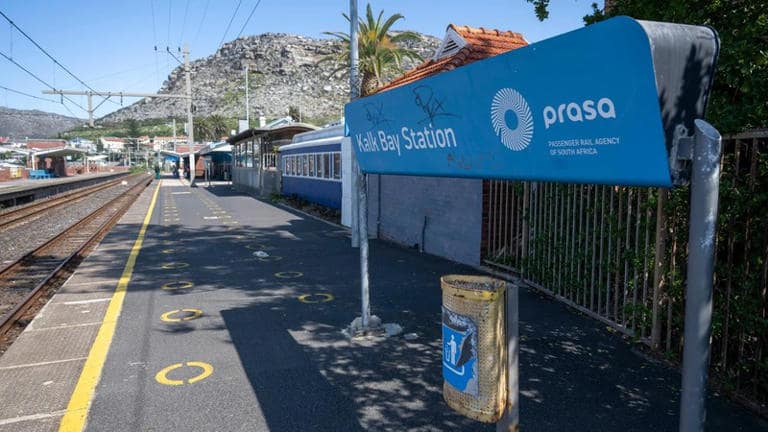
In a dramatic reversal, Thembinkosi Pulu of the SACP’s Vaal District has formally withdrawn a high-profile whistleblower complaint alleging massive corruption at the Passenger Rail Agency of South Africa (Prasa). The complaint, which had been sent to Transport Minister Barbara Creecy and other officials in February, alleged that tenders worth R17.4 billion were awarded unprocedurally to Maziya General Services.
Pulu stated in a retraction letter dated March 16, 2025, that the decision was based on “further investigations and new facts” that had come to light. He insisted the SACP was not coerced and remains a committed watchdog against corruption, but acknowledged the formal withdrawal of the earlier allegations.
The retraction appears to be linked to emerging evidence that contradicts the initial claims. Documents revealed that Standard Bank had, in fact, provided Maziya General Services with bid bonds of up to R80 million, directly challenging the whistleblower’s report. Furthermore, an investigation found no evidence to support the allegation that the multi-billion-rand contracts were awarded improperly.
The withdrawal has ignited a fierce response from Chris Delport, a figure connected to Maziya General Services, who launched a scathing attack on media outlet News24. He labeled the publication a “rogue propaganda outlet” after it reported that his daughter, Mercedes Delport, had secured a 1% subcontract in the Prasa deal. Delport defended his daughter’s right to work, stating, “Her company has the highest grading and she won’t be denied work because she is my daughter.”
While the retraction cools the immediate controversy, the SACP continues to pressure Prasa to address broader governance issues. The party is demanding urgent action on employment equity, the eradication of nepotism, and the restoration of critical rail and Autopax services, particularly for working-class communities in the Vaal. The episode leaves lingering questions about the initial allegations and the complex interplay between whistleblowing, corporate interests, and public accountability.
About The Author