In a dramatic development that threatens to undermine the state’s case, the third witness in the high-profile Phala Phala farm burglary trial has publicly disowned his initial police statement, telling the Modimolle Regional Court that it was given under duress and out of fear. The testimony introduces significant uncertainty into a case that has gripped South Africa, revolving around the alleged theft of over $580,000 in cash from President Cyril Ramaphosa’s game farm.
The witness, whose identity is protected, was a key figure in the state’s narrative, allegedly providing transport for the accused from Bela Bela to Johannesburg following the incident. However, under questioning, he dramatically recanted crucial details from his first official statement to the police. Most notably, he insisted that he was paid only R7,000 for his services, directly contradicting the initial claim that he had received a payment of $30,000—a figure that would have suggested a direct link to the stolen funds.
Explaining the discrepancy, the witness described a state of fear when he was first approached by law enforcement. “That is correct I’m the one who made the statement. When I made the statement, I was scared, I was afraid because different people came who indicated that they are looking for accused number one,” he testified. This assertion of coercion introduces a potential challenge to the admissibility and reliability of a central pillar of the prosecution’s evidence.
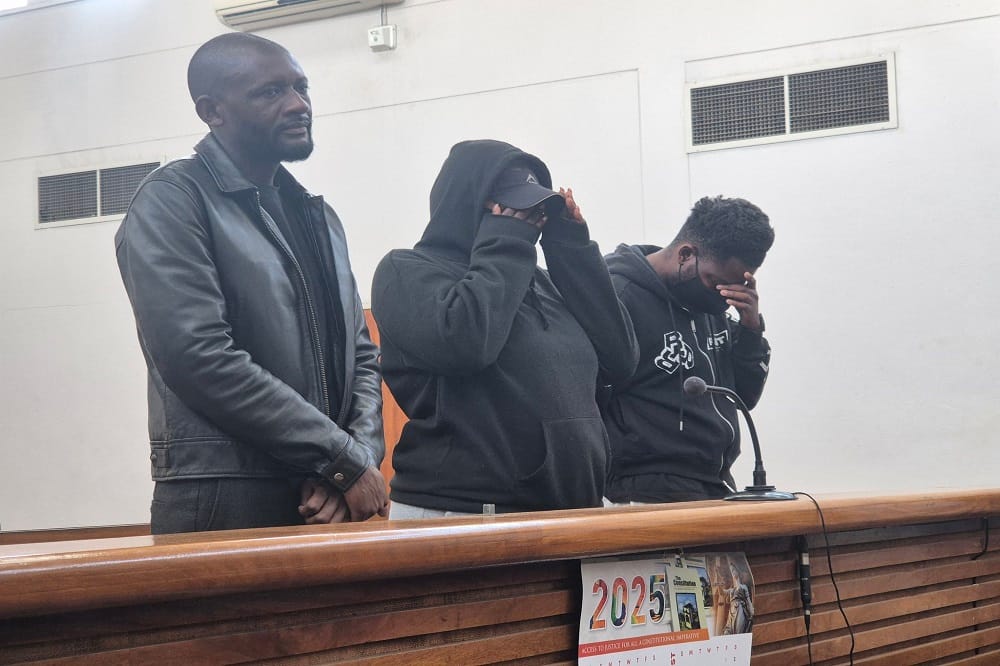
The witness’s testimony is pivotal in the case against Immanuela David and siblings Floriana and Ndilinasho Joseph. The trio has pleaded not guilty to charges of breaking into the Phala Phala farm and stealing the large sum of US dollars that was reportedly concealed within a sofa on the property. The case has drawn intense public and political scrutiny, not only due to the substantial amount of cash involved but also because of the questions it raised about the source of the money and its presence on the presidential property.
This latest twist casts a shadow over the investigation’s integrity and sets the stage for a fierce legal battle over which version of events the court will believe. The defense is likely to seize upon the witness’s recantation to argue that the state’s case is built on a shaky and potentially compromised foundation, while the prosecution must now work to corroborate its narrative through other means.
About The Author