The KwaZulu-Natal government has unveiled a comprehensive child and teenage pregnancy masterplan to tackle one of the province’s most pressing social challenges and strengthen the fight against HIV.
Health authorities recorded 26,515 pregnancies among individuals aged 10 to 19 between April and December 2024, with 1,254 cases involving children aged 14 and younger. These figures highlight the urgent need for a coordinated response to protect the province’s youth.
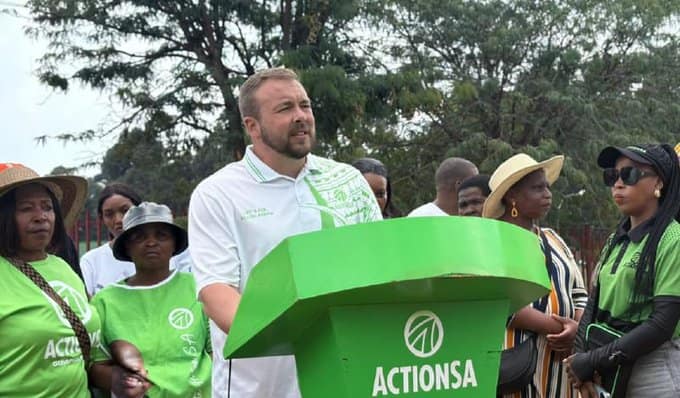
The masterplan was officially launched at the Ugu Sport Centre on the KZN south coast, with representatives from the Premier’s Office and the Departments of Health, Education, and Social Development in attendance.
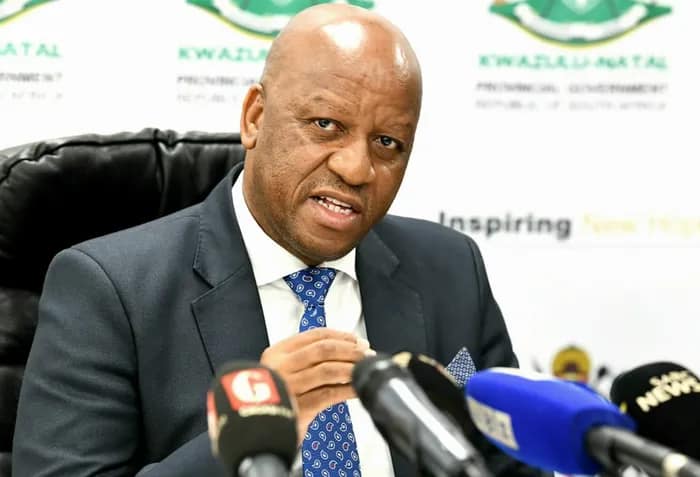
KwaZulu-Natal Premier Thamsanqa Ntuli emphasised the gravity of the crisis: “We are gathered to confront a crisis that strikes at the very heart of our province’s future. Child and teenage pregnancies undermine both personal development and our fight against HIV and AIDS. If we do not address these twin scourges, KwaZulu-Natal cannot grow into the thriving province we know it can be.”
Premier Ntuli described teenage pregnancy as a factor that strips young girls of their childhood, education, and future opportunities, perpetuating cycles of poverty and poor health across generations.
The strategy brings together multiple government departments to implement a holistic approach, including:
- Improved sexual and reproductive health education in schools.
- Greater access to contraceptives and healthcare services.
- Social and community programmes aimed at supporting at-risk youth.
- Collaboration with non-governmental organisations to provide mentorship and empowerment initiatives.
Education and health officials stressed the importance of early intervention, noting that effective prevention requires engagement with teenagers, families, and community structures.
“Teenage pregnancy is not just a health issue; it is a socio-economic challenge. By tackling it head-on, we are investing in the future of our province,” said a senior health official.
The KZN government has urged schools, parents, and communities to actively participate in the programme to ensure it achieves tangible results.
About The Author