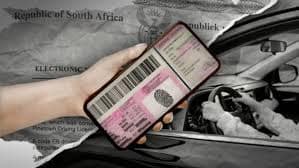
A new team in the Presidency has already built a working digital licence system, promising an end to long queues, printer breakdowns, and the need for a physical card.
PRETORIA – The days of queuing at a driving licence testing centre (DLTC) and waiting months for a plastic card could soon be over, as the South African government accelerates its plan to launch a fully digital driving licence.
A working digital licence has reportedly been developed in just three months by the newly established Digital Service Unit (DSU) in the Presidency, in collaboration with the Department of Transport. The system is currently undergoing testing and will be accessible through the new MyMzansi app, a single platform for multiple government services.
This revolutionary shift would allow motorists to apply, verify their identity, pay, and store their licence entirely on their smartphones, eliminating the need for any physical documentation.
A Solution to a Broken System
The move has been welcomed by road safety experts who have long argued that the current system is outdated and inefficient. Rob Handfield-Jones, managing director of Driving.co.za, has been a vocal advocate for the change.
He stated that digital licensing could resolve the chronic issues of backlogs, printer breakdowns, long queues, and administrative delays that have plagued DLTCs for years.
“Each driver already has unique biometric identifiers, and every vehicle has a unique Vehicle Identification Number,” Handfield-Jones argued, suggesting that traffic officers could simply verify a motorist’s details through an app, much like SARS manages tax affairs digitally.
How the Digital Licence Would Work
The proposed system is designed for simplicity and security:
- Application: Motorists would apply via the MyMzansi app.
- Identity Verification: Facial biometrics would be used to confirm identity, linked directly to the National Traffic Information System (NaTIS).
- Eye Tests: Instead of at a DLTC, applicants would visit a participating optometrist who would provide a QR code with the results to upload.
- Payment & Issuing: Payment would be processed in-app, and the digital licence would be issued in minutes, not months.
- Enforcement: The digital licence would feature a scannable QR code for traffic officers to verify its authenticity instantly.
The transition would place South Africa among a small group of countries, including Denmark and Norway, that have fully embraced digital driving licences.
While the technological capability is now proven, the final hurdle remains the government’s willingness to fully abandon the physical card system, which some argue generates revenue and benefits entrenched interests. However, the successful demonstration of a working system signals that the digital future of South Africa’s driving licence is closer than ever.
About The Author