Johannesburg – It is a province of stark contradictions. As the economic powerhouse of South Africa and the gateway to the continent, Gauteng generates more than a third of the country’s GDP. Yet it is also a place plagued by unreliable electricity, crumbling infrastructure, and a jobs crisis that fuels social discontent. Now, the Gauteng Provincial Government is embarking on an ambitious charm offensive, aiming to cut through the noise of decay and convince global capital that it remains the undisputed investment hub of Africa.
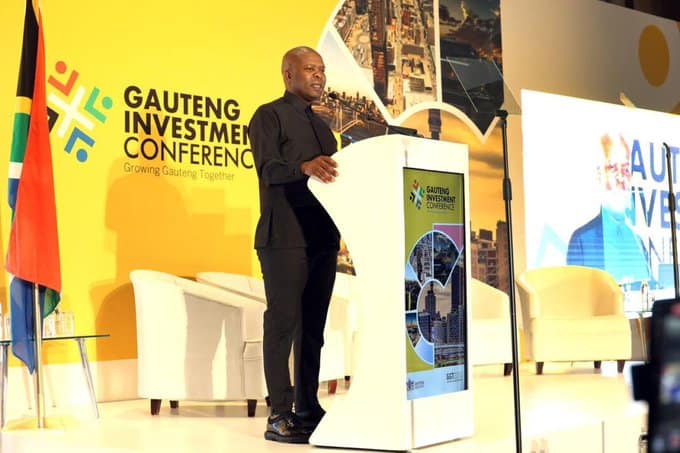
With sights set on securing multi-billion-rand commitments, the province is ramping up its preparations for the 2026 Gauteng Investment Conference, scheduled for April next year. The event is not merely a ceremonial gathering of business leaders; it is being positioned as the fiscal crescendo of a year-long drive to translate memorandums of understanding into shovels in the ground.
From Handshake to Hard Hat
The conference, which will be held under the theme of “Partnering for Growth,” represents the third iteration of the province’s major investment drive. However, officials insist this one will be different. While previous conferences generated significant pledges, the focus this time is on implementation and aftercare.
“We are moving beyond the glamour of the signing ceremony,” a senior official in the Premier’s office told reporters this week. “We want to track every rand that is promised and ensure that the regulatory bottlenecks are cleared so that these projects actually break ground. It is about turning investment into infrastructure, and infrastructure into jobs.”
This shift in tone is critical. Investors have historically been drawn to Gauteng by its sophisticated financial sector (centered in Sandton), its massive consumer market, and its logistical hub—the OR Tambo International Airport corridor. However, inconsistent policy implementation and municipal instability in metros like Johannesburg and Tshwane have often cooled ardor.
Targeting Key Sectors
The investment drive is not a blanket approach; the province is strategically targeting sectors where it believes it has a competitive advantage. The focus will be on:
- Advanced Manufacturing and the Green Economy: Leveraging the province’s existing industrial base in towns like Springs and Vereeniging to pivot toward renewable energy component manufacturing and electric vehicle production.
- Digital Infrastructure: Positioning Gauteng as Africa’s data center capital. With the rise of AI and cloud computing, the province is courting hyperscale data center operators who require the stable land and connectivity that Gauteng can offer.
- Logistics and Transport: Revitalizing the Johannesburg inner city and the aerotropolis around OR Tambo to streamline the movement of goods into the rest of the continent.
- Tourism and Services: Promoting the province’s rich heritage sites, including Soweto and the Cradle of Humankind, as well as its status as the corporate headquarters for nearly every major bank and telecom on the continent.
The Confidence Factor
Premier Panyaza Lesufi has made the investment conference a personal priority, framing it as a vote of confidence in his administration’s ability to govern. Speaking at a recent business engagement, Lesufi acknowledged the hurdles.
“We know the doubts. We know about the potholes, the billing issues, the power supply. But we also know the opportunities,” he said. “We are not asking investors to be blind to the challenges; we are asking them to partner with us to solve them. There is no better place on the continent to make a return on investment than right here.”
The province is also leaning heavily on partnerships with special economic zones (SEZs) like the OR Tambo SEZ, which offers tax incentives and streamlined processes for export-oriented industries.
A Pipeline of Megaprojects
Behind the scenes, the Gauteng Growth and Development Agency (GGDA) is reportedly cultivating a pipeline of projects worth tens of billions of rand. These are rumored to include a major expansion of logistics capacity linked to the Lubombo Corridor, as well as significant investments in student accommodation and affordable housing—a sector desperately needed to house the province’s burgeoning young population.
The Regional Rivalry
The push comes as Gauteng faces increasing competition from other African hubs. Nairobi is solidifying its position in tech, Rwanda is known for ease of doing business, and Lagos boasts massive scale. However, Gauteng’s pitch is unique: it offers the sophisticated financial ecosystem of a developed market with the growth prospects of an emerging one.
As the countdown to April 2026 begins, the message from the provincial government is clear: they are open for business, but they are also open for accountability. The billions on the table will only flow if the province can prove it is ready to handle them. For the millions of unemployed youth in the townships sprawling across the Witwatersrand, the success of this drive isn’t just an economic indicator—it’s a lifeline.
About The Author