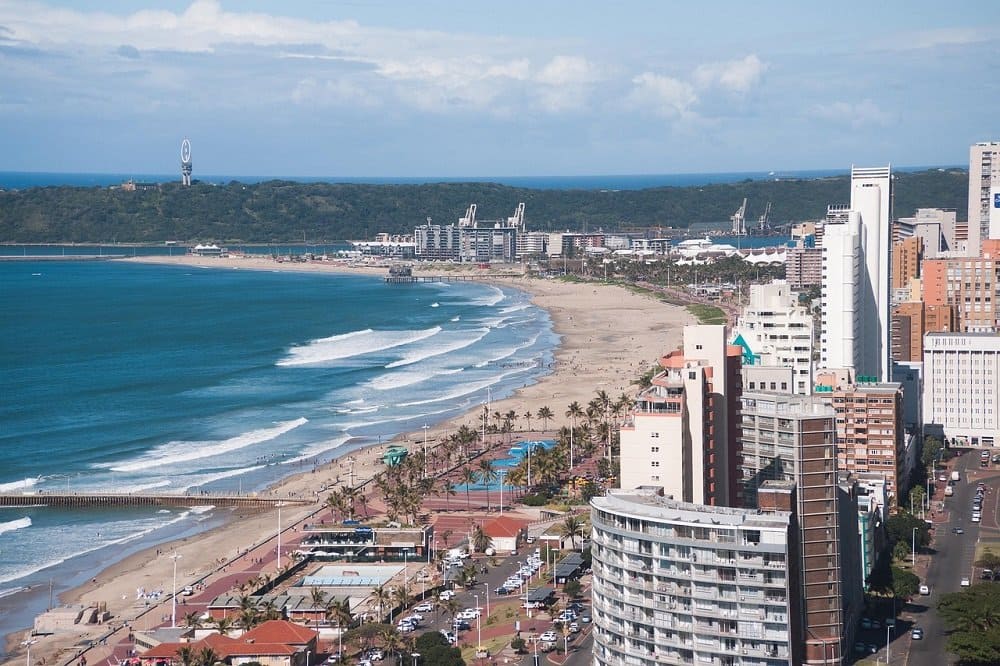
As the Easter weekend approaches, the coastal metropolis of Durban is undergoing its annual transformation, shifting from a bustling city of commerce into a vibrant holiday mecca. With an estimated 1.2 million local and international visitors expected to descend on its sun-drenched shores, the eThekwini Municipality is pulling out all the stops to ensure that the influx translates into a seamless, safe, and memorable experience for holidaymakers while capturing a projected R2.6 billion injection into the local economy.
The Easter holiday, long regarded as one of the peak tourism periods on South Africa’s calendar, holds particular significance for Durban. Known for its warm Indian Ocean waters, subtropical climate, and world-class beachfront, the city has positioned itself as a premier destination for families seeking affordable coastal getaways. This year, with travel patterns having fully rebounded from the disruptions of recent years, officials are anticipating volumes that rival or even surpass pre-pandemic records.
A City Transformed: Preparation on All Fronts
Behind the scenes, preparations for the Easter surge have been underway for weeks. The eThekwini Municipality, in coordination with provincial government, law enforcement agencies, and the private sector, has rolled out a comprehensive operational plan designed to manage the logistical challenges posed by the massive influx.
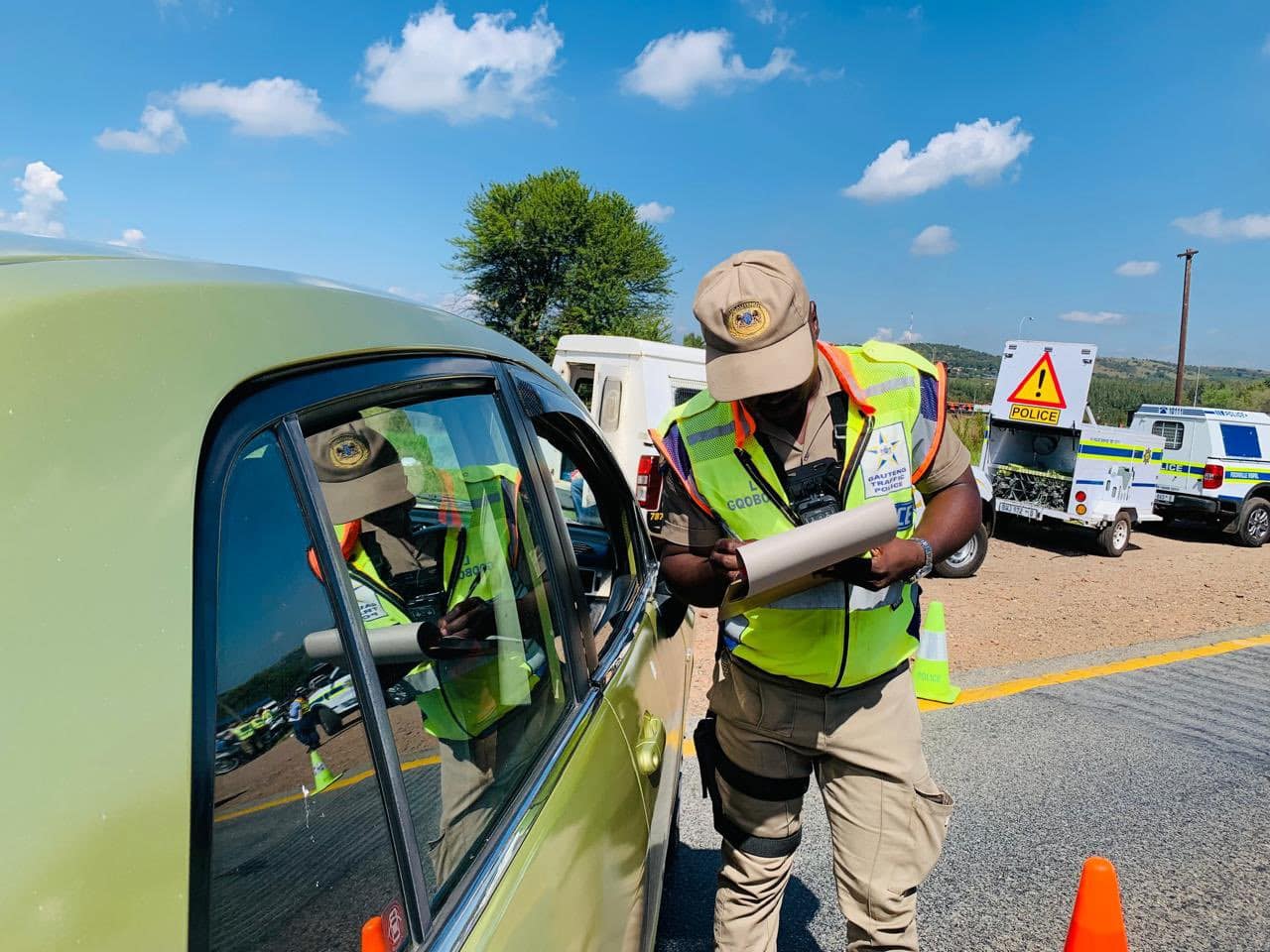
On the safety and security front, the city has activated its festive season safety plan, deploying additional law enforcement officers, metro police, and South African Police Service (SAPS) personnel to hotspot areas including the Golden Mile, uShaka Marine World, Moses Mabhida Stadium precinct, and popular shopping centers. Beachfront precincts will see a visible increase in foot patrols, while specialized units will conduct roadblocks and vehicle checkpoints to combat drunk driving and ensure road safety.
Lifesaving services have been bolstered along the city’s coastline, with additional lifeguards stationed at popular beaches and shark nets and drumlines inspected to ensure optimal functionality. The city’s beaches, which have consistently maintained Blue Flag and international quality status in recent years, are expected to be the primary drawcard for the majority of visitors.
“We are ready to welcome the nation to our shores,” said a senior eThekwini Municipality official. “Easter is our time to shine. We have been planning for months to ensure that every visitor—whether they are coming from Johannesburg, the Eastern Cape, or across the oceans—leaves with a positive impression of our city.”
The Economic Engine: R2.6 Billion in Projected Spend
The anticipated R2.6 billion in economic activity represents a vital lifeline for Durban’s tourism-dependent sectors. The hospitality industry, still recovering from the compounded blows of the COVID-19 pandemic, the July 2021 civil unrest, and subsequent flooding disasters, views the Easter holiday as a critical revenue generator.
Hotel occupancy rates in the city center, Umhlanga, and the southern coastal belt are expected to exceed 85 percent over the peak period, with many establishments reporting full bookings. The accommodation sector alone is projected to contribute hundreds of millions in revenue, with spin-offs extending to restaurants, tour operators, retail outlets, and entertainment venues.
The informal economy is also expected to see significant activity. Beachfront vendors, hawkers, and small-scale entrepreneurs who rely on seasonal tourism for their livelihoods are preparing for the influx, stocking up on goods ranging from swimwear and sunglasses to traditional crafts and prepared foods.
“For many small businesses in this city, Easter is make or break,” said the chairperson of a local tourism business forum. “The money that comes in over these few days helps sustain families for months. We are hopeful that the numbers translate into actual spend, and that visitors understand the impact of supporting local.”
A Diverse Offering for a Diverse Audience
Durban’s appeal lies in its ability to cater to a wide spectrum of tastes and budgets. For families, the offerings include the iconic uShaka Marine World, which has prepared a packed program of Easter-themed activities and extended operating hours. Adventure seekers will find attractions ranging from the Moses Mabhida Stadium SkyCar to mountain biking trails in the nearby Valley of a Thousand Hills. Cultural tourists are being directed to the KwaMuhle Museum, the Phansi Museum, and the vibrant Warwick Junction market district, which offers an authentic taste of the city’s rich multicultural fabric.
International visitors, who are expected to account for a significant portion of the arrivals, are being drawn by Durban’s status as a gateway to KwaZulu-Natal’s broader attractions, including the Drakensberg mountains, the iSimangaliso Wetland Park, and the battlefields of the interior. King Shaka International Airport has reported a surge in flight bookings, with airlines adding extra capacity to meet demand.
Challenges on the Horizon
Despite the optimism, the Easter period also brings significant challenges. The influx of over a million people places immense strain on the city’s infrastructure, from water and electricity supply to waste management and traffic congestion. The municipality has issued appeals for residents and visitors alike to use water sparingly, with the city still navigating the lingering effects of previous drought cycles and infrastructure maintenance backlogs.
Traffic management is expected to be a particular challenge, with major arterial routes including the N2 and N3 freeways experiencing significant congestion as holidaymakers enter and exit the city. The municipality has deployed additional traffic officers to manage bottlenecks and has urged travelers to plan their journeys carefully, avoiding peak travel times where possible.
Public safety remains a top concern, with authorities acknowledging that high-traffic periods often attract opportunistic criminal activity. The increased law enforcement presence is designed to deter crimes such as theft from vehicles, pickpocketing, and smash-and-grab incidents, which have historically plagued tourist hotspots.
A Test of Resilience and Readiness
For Durban, the Easter surge represents more than just a holiday rush—it is a test of the city’s resilience and its ability to position itself as a competitive tourism destination. In recent years, the city has faced a series of setbacks that have dented its reputation, from infrastructure failures to safety concerns. A smooth, successful Easter period would serve as a powerful signal that Durban is open for business and capable of delivering a world-class experience.
As the first wave of travelers begins to arrive, there is a palpable sense of anticipation among those who call the city home. For the hospitality workers, the lifeguards, the vendors, and the municipal staff who will work through the holiday, the coming days represent both a challenge and an opportunity—a chance to showcase the very best of a city that, despite its trials, remains one of Africa’s most beloved coastal destinations.
“We are ready,” the municipality official said. “The sun is out, the ocean is warm, and the people of Durban are eager to welcome you. Come and enjoy our city, spend your money, make your memories—and leave only your footprints behind.”
With the first long weekend of the autumn season about to unfold, all eyes are on Durban to see whether it can rise to the occasion and deliver on the promise of R2.6 billion in economic upliftment, one visitor at a time.
About The Author