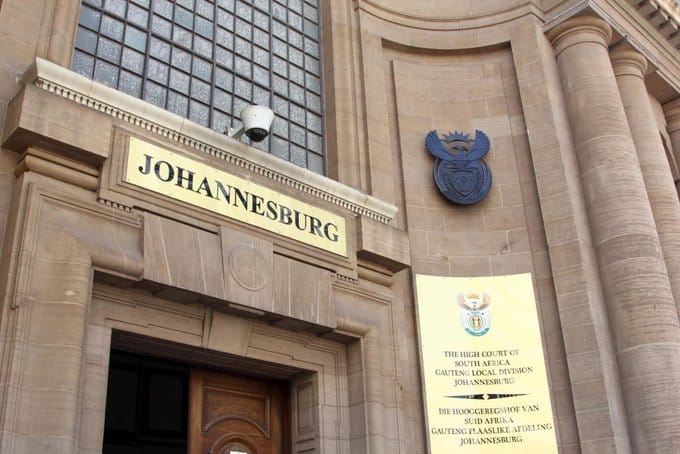
In a decisive legal victory for inventor Nkosana Makate, the Johannesburg High Court on Monday dismissed an urgent application by Black Rock Mining (Pty) Ltd to freeze 40% of his long-awaited, multimillion-rand settlement from Vodacom. Acting Judge Don Mahon ruled that the mining firm had failed to provide any convincing evidence that Makate would dissipate the funds or that the normal court process was inadequate to address their contractual dispute.
The ruling represents a significant removal of the final legal hurdle delaying the financial culmination of South Africa’s most protracted intellectual property battle. Makate, the creator of the ubiquitous “Please Call Me” service, is set to receive a settlement from Vodacom now estimated to be valued between R353 million and R748 million, following a Constitutional Court order that ended a near two-decade legal fight.
The Disputed Deal and the Court’s Reasoning
Black Rock Mining’s application stemmed from a 2011 funding agreement in which the firm claimed it had provided Makate with financial assistance for his legal battles in exchange for a 40% share of any future award or settlement. Makate, however, has consistently contended that this agreement was formally terminated in 2015. The mining company sought an urgent interdict to prevent Makate from accessing the contested portion of the settlement, alleging he would spend or hide the money before their claim could be adjudicated.
In a carefully reasoned judgment, Acting Judge Mahon found Black Rock’s fears to be speculative and unsubstantiated. “There is simply no evidence before me that the respondent [Makate] intends to dissipate the funds or render himself judgment-proof,” Judge Mahon stated. He emphasized that Black Rock retained the right to pursue its contractual claim through standard litigation or arbitration—a process already scheduled to begin later this month—and that a freezing order was an extraordinary remedy not justified in this case.
“The applicant has alternative remedies available to it,” the judge noted. “The mere fact that a respondent may have funds now which he may not have later, if a claim is successful, is not a sufficient ground for granting a preservation order.”
A Moment of Vindication and Moving Forward
For Makate, the judgment is a profound affirmation. “This attempt to block my compensation was without merit and aimed only at causing further delay and distress,” Makate said in a statement released by his legal team. “The court has rightly seen through it. My focus remains on securing the future of my family and finally putting this chapter to rest.”
The decision means Vodacom can proceed with the final transfer of the full settlement amount to Makate, allowing him to access the rewards of an invention he conceived in 2001—a service that generated tens of billions in revenue for the telecoms giant while he fought for recognition.
Legal analysts view the ruling as a robust defence of due process. “Courts are rightly cautious about granting these draconian freezing orders, which can unfairly punish a party before a claim is even proven,” said senior counsel David Maphakela. “This judgment underscores that urgency cannot be manufactured, and speculative fears are not a substitute for evidence.”
With the interdict dismissed, the separate contractual dispute between Makate and Black Rock Mining will proceed to arbitration. However, for the public and observers of this landmark case, Monday’s ruling ensures that the long-delayed justice for the “Please Call Me” inventor is no longer held hostage by ancillary commercial disputes. The path is now clear for the final act of a saga that has come to symbolise both the perils and perseverance of innovators in South Africa.
About The Author