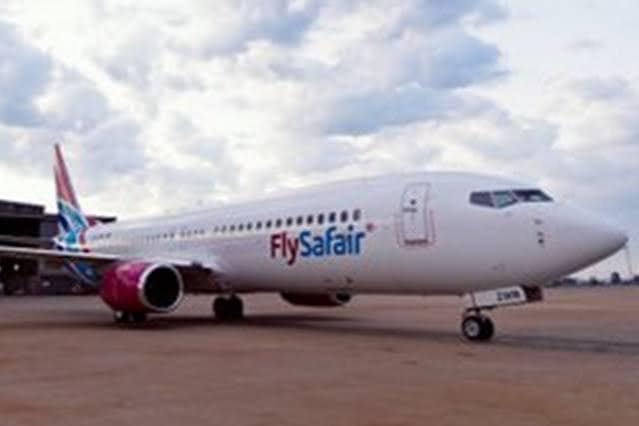
In a decision that could reshape the landscape of South African aviation, the Competition Commission has recommended conditional approval of Harith General Partners’ proposed acquisition of FlySafair, propelling the landmark deal past its most significant regulatory hurdle and setting the stage for a final ruling by the Competition Tribunal. The recommendation, which comes after months of intense scrutiny and public interest, represents a delicate balancing act between encouraging investment and safeguarding the competitive dynamics of a sector still recovering from the pandemic’s devastating blows.
At the heart of the Commission’s concerns lay Harith’s existing ownership stake in Lanseria International Airport—a connection that raised legitimate fears about potential anti-competitive behaviour, including the possibility of preferential treatment for FlySafair or the strategic sharing of commercially sensitive information between the airline and the airport operator. To address these anxieties, the regulator has imposed a suite of conditions designed to erect firewalls between the two entities, ensuring that operational and pricing decisions remain independent and that rival airlines using Lanseria are not disadvantaged. The specific terms, while not fully disclosed, are understood to include strict information barriers and independent oversight mechanisms.
Should the Competition Tribunal grant final approval, Harith will assume control of FlySafair, which currently commands an astonishing 67% share of South Africa’s domestic passenger market—a dominance that has made the low-cost carrier both a consumer favorite and a competitive behemoth. The deal would not only solidify FlySafair’s local ownership structure, addressing earlier criticisms about foreign control, but also significantly expand Harith’s already substantial transport portfolio, which spans aviation, airports, and rail infrastructure across the continent.
Industry observers now await the Tribunal’s verdict with bated breath. If approved, the transaction will mark one of the most consequential consolidations in South African aviation history—a move that could herald either a new era of efficiency and investment, or a concentration of power that smaller competitors will struggle to counter.
About The Author