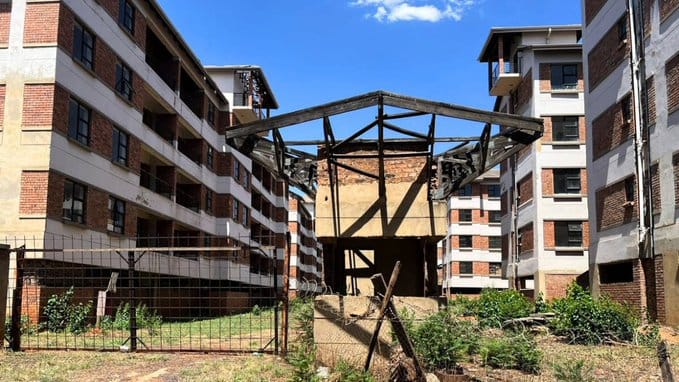
The corridors of Pretoria’s administrative heart have been buzzing with a mixture of anticipation and unease this week as Public Works and Infrastructure Minister Dean Macpherson took the unprecedented step of ordering a sweeping, full-scale investigation into the allocation and occupation of 6,238 state-owned residential properties across the country. The directive, which represents one of the most ambitious audits of government housing assets in South Africa’s democratic history, has sent a clear signal that the days of opaque and potentially unfair distribution of public resources may be coming to an end, as Macpherson moves to shine a glaring light onto a system that has long been shrouded in secrecy and allegations of preferential treatment.
The properties in question, all of which are owned by the state and currently allocated to various government departments for the housing of officials, span the length and breadth of South Africa, from ministerial mansions in leafy Pretoria suburbs to modest townhouses in provincial capitals. While the practice of providing official accommodation to public servants is a long-standing tradition aimed at ensuring that key personnel can perform their duties effectively, the sheer scale of the 6,238 figure has raised eyebrows and prompted calls for a thorough review. Minister Macpherson, who has made transparency and fiscal prudence the cornerstones of his tenure, expressed deep concern that the current system lacks the necessary oversight mechanisms to ensure that these valuable public assets are being allocated fairly, efficiently, and in strict accordance with the regulations. His investigation, which will be led by a multi-disciplinary team of auditors, legal experts, and property specialists, is expected to scrutinize every aspect of the allocation process, from the initial eligibility criteria and approval procedures to the rental rates paid by officials and the maintenance standards of the properties themselves.
The investigation comes against a backdrop of growing public frustration over housing inequality, with millions of South Africans still languishing on waiting lists for decent shelter while state-owned properties sit occupied—in some cases, critics allege, by officials who may not even qualify for such accommodation. Macpherson has made it clear that his probe is not a witch hunt but rather a necessary exercise in accountability, aimed at rectifying any historical anomalies and ensuring that the state’s housing portfolio serves the public good. He has also hinted at the possibility of broader reforms, including the development of a centralized, digitized database that would allow for real-time tracking of all state properties, preventing the kind of administrative drift that has allowed the current situation to fester. As the investigation gears up, with officials across all tiers of government now bracing for a forensic examination of their housing arrangements, one thing is certain: the outcome of this probe will have far-reaching implications, not only for the officials currently occupying these homes but also for the thousands of ordinary South Africans who will be watching closely to see if their government can finally deliver on its promise of transparent and just governance.
About The Author