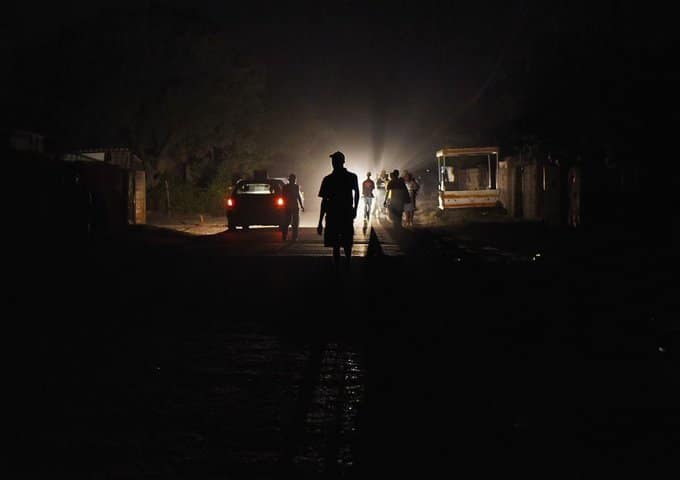
Zimbabweans were plunged into darkness on Monday evening after a catastrophic fault on a major transmission line triggered a nationwide power blackout, leaving homes, businesses, and essential services scrambling for backup generators. The state-owned power utility, ZESA Holdings, was quick to identify the culprit: a technical failure on the Warren-Alaska 330kV transmission line, which severed the country’s connection to the regional power grids of South Africa, Zambia, and Mozambique. The sudden disconnection caused a cascading effect, tripping the country’s two main power stations—the coal-fired Hwange Thermal Power Station and the hydroelectric Kariba Dam plant—bringing the entire national grid to a standstill.
Despite the scale of the crisis, ZESA’s technical teams mounted a swift and coordinated response. Emergency protocols were activated, and engineers worked through the night to restore stability. By drawing emergency power imports from neighbouring countries and carefully bringing local generating units back online in phases, the utility managed to restore electricity to most areas by 10 p.m. on Monday evening. By early Tuesday morning, crews were still busy synchronising the remaining generation units to ensure full grid stability, but the worst of the outage had already been averted.
The rapid restoration has drawn cautious praise from consumers who are all too familiar with Zimbabwe’s chronic electricity challenges. The country has long struggled with persistent load-shedding, driven by aging and poorly maintained infrastructure, recurrent droughts that reduce water levels at Kariba, and foreign currency shortages that hamper the import of spare parts and coal. However, Monday’s blackout, while dramatic, appears to have been an isolated technical event rather than a symptom of deeper supply constraints—and the speed of the fix suggests some improvement in operational readiness.
ZESA has assured the public that investigations into the root cause of the fault are ongoing and that measures will be taken to prevent a recurrence. For now, Zimbabweans are breathing a collective sigh of relief as the lights flicker back on, though the incident serves as yet another reminder of the fragility of the country’s power infrastructure and the urgent need for long-term investment in the energy sector.
About The Author