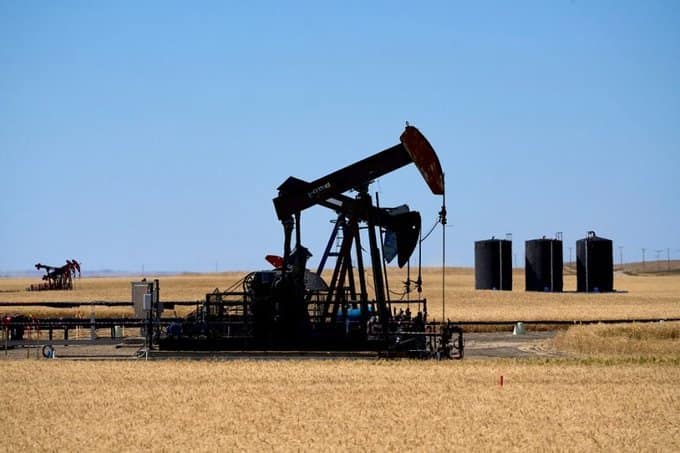
Uganda stands at the precipice of a historic transformation as it barrels toward the start of commercial oil production next year, a milestone that has been decades in the making. With vast reserves beneath the Albertine Graben finally set to flow, the East African nation is bracing for an influx of petrodollars that could reshape its economic landscape. Yet, even as excitement builds, a sobering new assessment from the World Bank serves as a stark reminder that oil is not a silver bullet—and that without deep structural reforms, the anticipated windfall may fail to lift the masses out of poverty.
In its latest economic update, the World Bank acknowledged Uganda’s technical readiness and the significant investments that have paved the way for first oil, projected for 2025. However, the institution’s economists were unequivocal in their message: the country’s long-term prosperity hinges on far more than crude exports. The report cautions that oil revenue, if mismanaged or allowed to concentrate in narrow elites, could exacerbate inequality and even trigger the dreaded “resource curse”—a phenomenon where resource-rich nations paradoxically experience slower growth, corruption, and social unrest.
Instead, the Bank is urging Ugandan policymakers to seize the moment as a catalyst for broader economic renewal. Key recommendations include aggressive reforms to improve the business climate, drastic cuts to red tape that stifle small and medium enterprises, and a renewed focus on agricultural productivity and manufacturing—sectors that employ the vast majority of Ugandans. Critically, the report stresses the need to channel oil revenues into human capital development, particularly education and healthcare, to ensure that the benefits of the oil boom trickle down to rural communities and the urban poor.
The government in Kampala has welcomed the World Bank’s input, insisting that it remains committed to prudent fiscal management and transparency. However, civil society groups remain skeptical, pointing to past governance failures and insisting that the clock is ticking. As the oil taps prepare to open, the true test for Uganda will not be how much oil it pumps, but how wisely it invests the proceeds to build a resilient, inclusive economy for future generations.
About The Author