The dust of the Eastern Cape countryside usually settles in a fine, ochre layer over the village of Zingcuka in Kieskammahoek. But on Thursday, it was kicked up by the feet of angry residents, rising in clouds above a protest that brought the community to a grinding halt. For 120 days, the taps have been dry. For 120 days, the promises have been empty. And on this morning, the people of Zingcuka decided they had swallowed their last drought.
The trouble has been brewing since the end of summer. What began as intermittent supply from the Amathole District Municipality soon became a relentless, dead silence in the pipes. For four months, the 500-strong community of Zingcuka has been left to fend for itself, forced to abandon the modern convenience of indoor plumbing for the ancient, backbreaking ritual of fetching water.
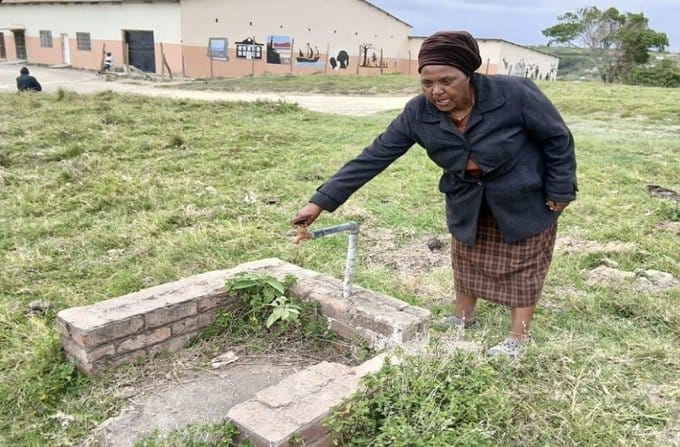
The primary source is now a nearby stream, its water brown and murky, a breeding ground for the very diseases a functional municipal supply is meant to prevent. Women and children spend hours of their day making the treacherous journey down the hillside, balancing 20-litre jerrycans on their heads for the slow, arduous walk back up. The elderly, many of whom have lived in Zingcuka their entire lives and paid their rates for decades, are left helpless, reliant on the kindness of neighbours who have little to spare.
“Look at my hands,” said 72-year-old Nomalizo Gxarisa, holding out her weathered palms. “These are not for carrying water at my age. I have raised my children, I have buried my husband, and now I must beg for water like a dog? We are not animals. We are citizens of this country.”
The lack of water has permeated every aspect of life. Subsistence farmers watch their vegetable gardens wither and die. Grandmothers cannot wash the nappies of their grandchildren. The local clinic reports a spike in diarrheal cases, a direct consequence of communities being forced to drink from unprotected sources. The dignity of the people has been stripped away, replaced by a simmering rage that finally boiled over.
On Thursday morning, that rage took to the streets. Residents, young and old, armed with placards and singing struggle songs, blockaded the main road through the village with burning tyres and large rocks. The message was clear: there would be no business as usual until the municipality answered for its failure. Traffic was at a standstill, stranding commuters and preventing access to the nearby schools.
“We have written letters. We have gone to the councillor’s house. We have called the radio stations,” said community spokesperson Lunga Mbekeni, his voice hoarse from shouting. “And what do we get? Silence. They tell us there is a problem with the pump. Then they tell us there is a problem with the pipes. Then they tell us there is no money. The stories change, but our thirst does not.”
The protest is the culmination of years of frustration with the Amathole District Municipality, an authority that has been plagued by financial mismanagement, aging infrastructure, and a reputation for being unresponsive to the rural communities it is meant to serve. For the residents of Zingcuka, the four-month dry spell is not an anomaly; it is the breaking point.
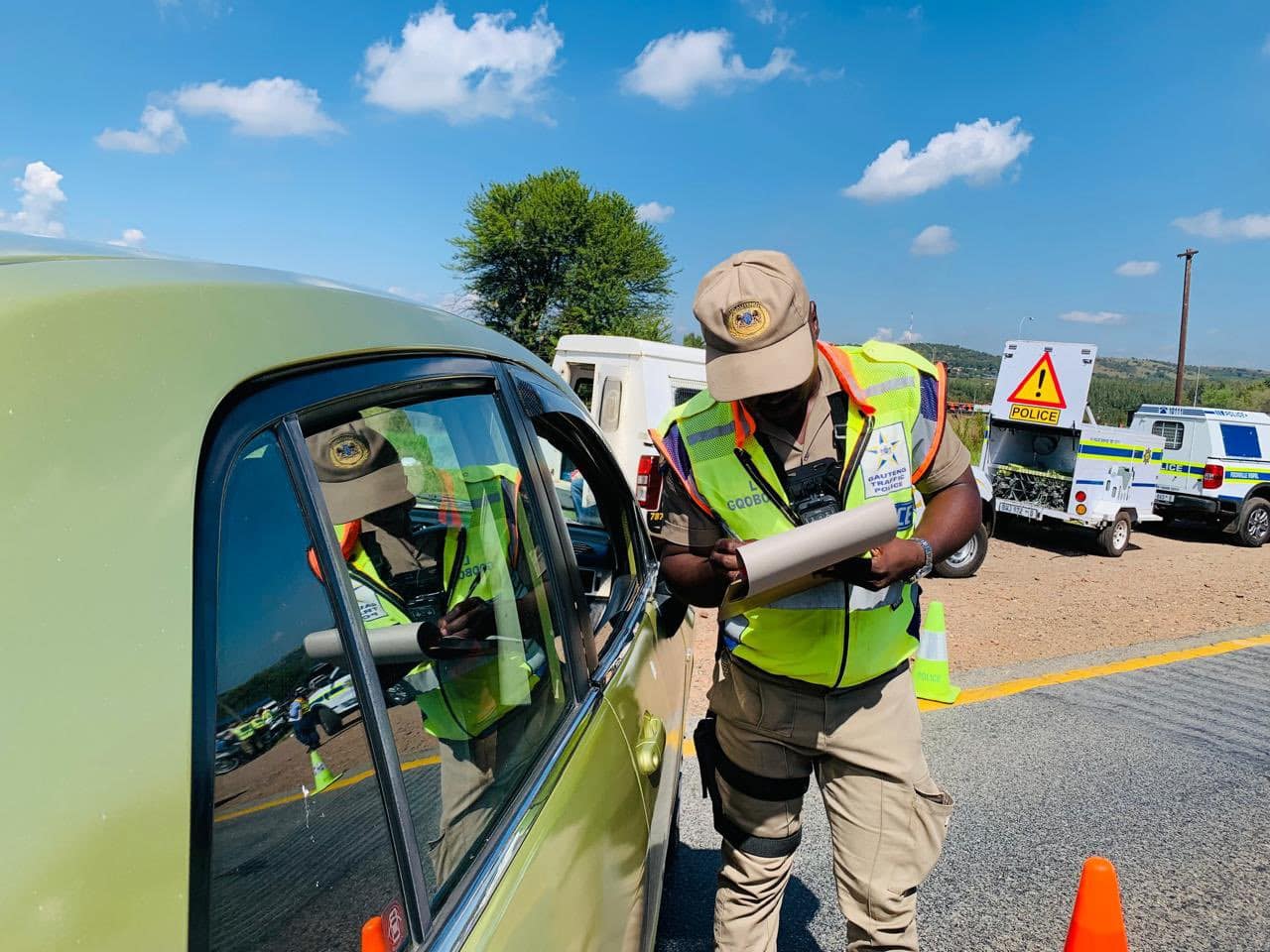
By midday, the heavy presence of law enforcement arrived, but unlike many protests in South Africa, this one remained largely peaceful. The police formed a line, but they did not advance. The residents, having made their point, kept their distance. It was a tense standoff, a mirror reflecting the deep chasm between the governed and those governing.
As the sun began to sink behind the Amathole mountains, the blockade was voluntarily lifted. The burning tyres were extinguished, and the rocks were pushed to the side of the road. But the underlying tension remained, thick as the smoke that had blackened the sky.
Late in the afternoon, a visibly weary group of municipal officials arrived for an emergency meeting with the community in the local community hall. They offered apologies and spoke of a depleted budget and a broken pump that required a part that was “on order.” They promised that a water tanker would be dispatched immediately to provide temporary relief, and that engineers would assess the permanent infrastructure within the week.
The residents listened in stony silence. They had heard these promises before. The taste of municipal platitudes is as bitter as the stream water they have been forced to drink.
“We will believe it when we see the tanker coming over that hill,” Mbekeni said after the meeting, gesturing towards the dusty road. “We do not want to protest. We want to live. But if the water does not come, we will be back. And next time, we will not be so easy to pacify.”
For now, an uneasy calm has settled over Zingcuka. The children have returned to their homes, and the women are preparing for another morning walk to the stream. The promise of a tanker offers a flicker of hope, but for a community that has been bone-dry for four months, hope is a fragile thing. All they want is what the Constitution promises them: the simple, life-giving right to clean water.
About The Author