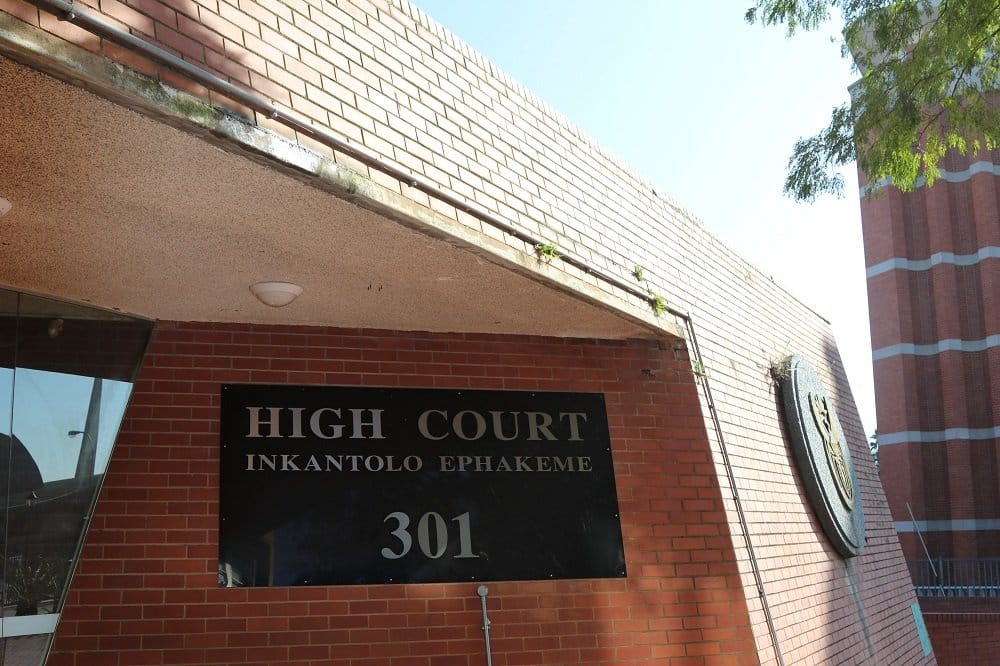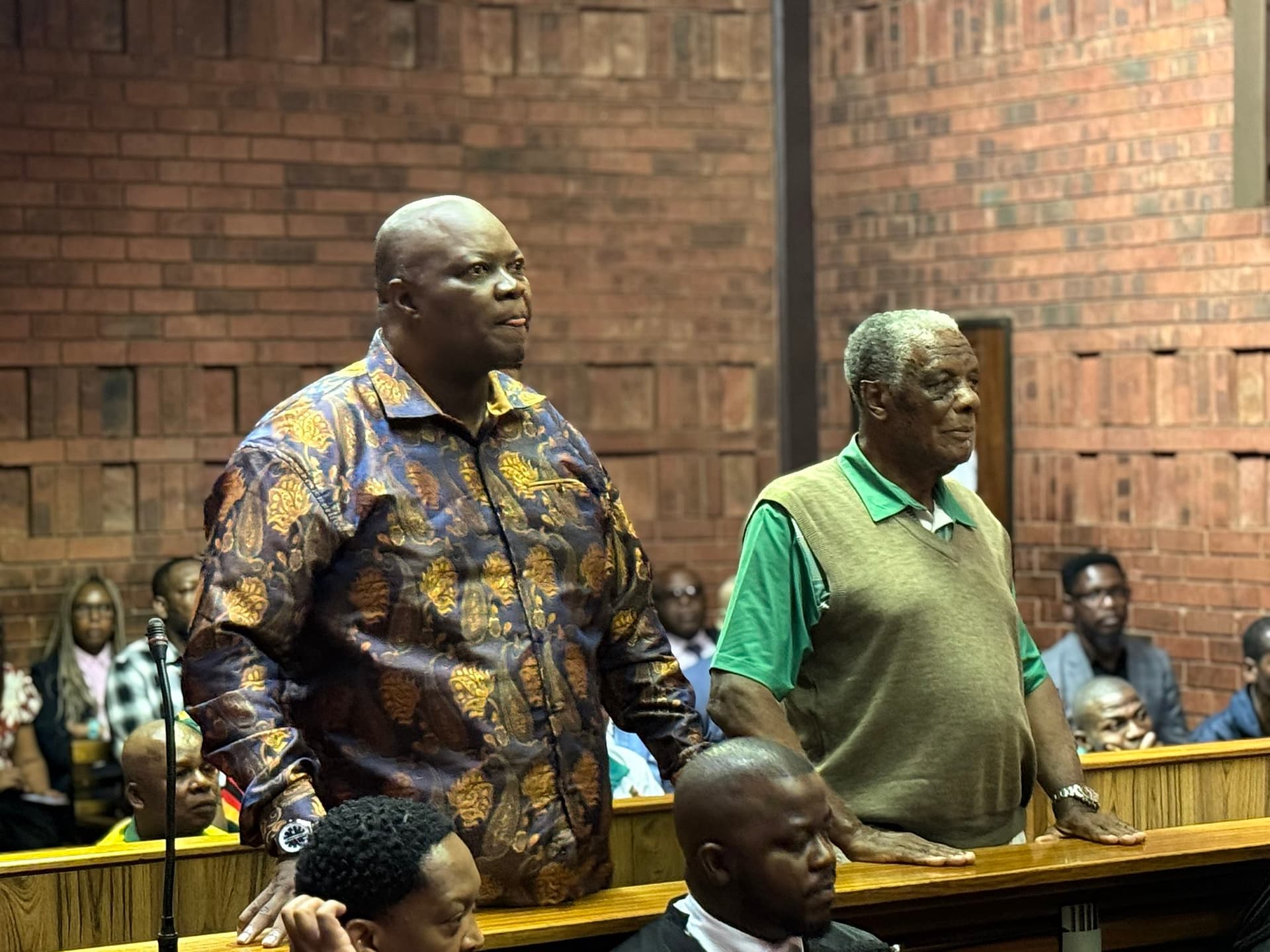
In a case that has sent ripples through both South African political circles and the Zimbabwean diaspora, prominent Zimbabwean opposition politician Job Sikhala made his first appearance in the Pretoria Magistrate’s Court today, following his arrest last week on charges related to the possession of explosives.
Sikhala, a firebrand figure and former member of Zimbabwe’s parliament representing the Citizens Coalition for Change (CCC), was taken into custody by South African police after a routine vehicle inspection in Pretoria led to the discovery of what law enforcement officials have described as “a quantity of explosive material” in his car. The precise nature and intended use of the materials have not been publicly disclosed by the National Prosecuting Authority (NPA), citing the ongoing investigation.
The arrest of such a high-profile political exile has immediately ignited a firestorm of speculation and conflicting narratives. Sikhala, a longtime and vocal critic of Zimbabwe’s ruling ZANU-PF party, only recently arrived in South Africa after a prolonged and controversial period of imprisonment in Zimbabwe on charges his supporters decried as politically motivated.
A Contentious First Appearance
The brief court proceeding was dedicated primarily to procedural matters. The state prosecutor requested a postponement to allow for further investigation, a standard practice in cases of this nature. The court is expected to rule on Sikhala’s bail application in the coming days, a decision that will be closely watched as a barometer of the case’s severity and the South African government’s stance.
Sikhala’s legal team has vehemently denied the charges. In a statement released outside the courthouse, his attorney declared the arrest “highly suspicious and politically tainted,” suggesting a potential setup aimed at silencing a dissident voice. “It is no coincidence that our client, who has been a target of political persecution in Zimbabwe, now finds himself facing such serious allegations on South African soil,” the lawyer stated.
Diverging Narratives and Diplomatic Tensions
The incident places the South African government in a delicate position. As the region’s economic powerhouse and a historical ally of Zimbabwe’s liberation movement, now represented by ZANU-PF, South Africa has often walked a diplomatic tightrope in dealing with Zimbabwean opposition figures.
Two starkly different narratives are already emerging:
- The State’s Case: Law enforcement sources suggest a straightforward criminal matter, where a individual was found in possession of illegal and dangerous materials, necessitating prosecution under South Africa’s strict laws.
- The Defence’s Claim: Sikhala’s supporters and some political analysts posit a more complex scenario, raising the possibility of a fabricated charge orchestrated by external actors seeking to discredit and neutralize a troublesome political opponent abroad.
Human rights organizations and groups representing the Zimbabwean diaspora have called for a transparent and impartial judicial process. “Given Job Sikhala’s history as a political prisoner, there must be absolute certainty that this is a legitimate prosecution and not an extension of transnational repression,” a spokesperson for a local diaspora alliance commented.
As the case was postponed, all eyes now turn to the bail hearing. The outcome will not only determine Sikhala’s immediate future but will also serve as a critical test for South Africa’s judiciary amid intense political pressure and international scrutiny. The proceedings are poised to examine not just the evidence in a car, but the heavy weight of cross-border politics and the contentious legacy of Zimbabwe’s political strife.
About The Author