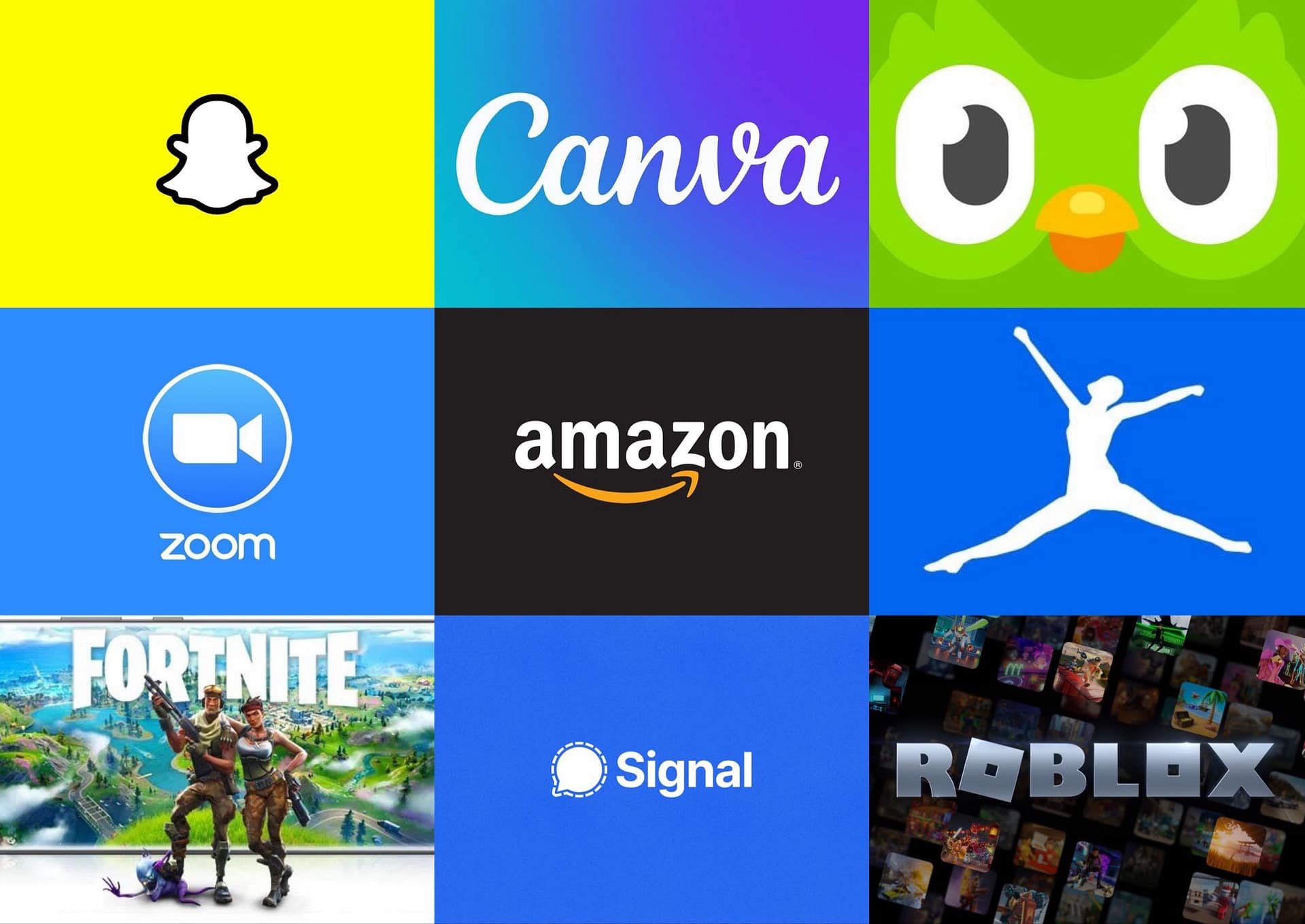
October 20, 2025 – The digital world experienced a massive, simultaneous shudder in the early hours of Monday, as a significant outage at Amazon Web Services (AWS) brought down a vast swath of the internet, from popular games and social media platforms to critical financial and travel services. The incident, originating in the pivotal US-East-1 region, began at approximately 3:11 a.m. Eastern Time and lasted for several hours, serving as a stark reminder of the centralized nature of the modern web and the fragility that lies beneath our always-online existence.
The disruption was not a total blackout but a critical bottleneck. According to AWS’s own service health dashboard, the root cause was linked to DNS resolution issues within its DynamoDB database service in the Northern Virginia region. DynamoDB is a foundational, fully-managed “NoSQL” database that countless companies use to store and retrieve vast amounts of data in real-time. When its domain name system failed, it was like a catastrophic failure of the address book for the internet’s most critical services; applications could no longer find the databases they needed to function, causing them to stall, crash, or display error messages to millions of bewildered users.
The list of affected services read like a who’s who of the digital age:
- Gaming & Entertainment: Fortnite and Roblox servers went offline, disconnecting millions of players mid-game.
- Social Media: Snapchat users reported failures in loading stories and sending messages.
- Finance: Cryptocurrency exchange Coinbase experienced trading halts and display errors, causing anxiety in volatile markets.
- Travel: Delta Air Lines saw disruptions to its website and flight operations systems, though it stated safety was not compromised.
- Productivity & Design: Platforms like Canva and several other SaaS (Software-as-a-Service) providers became inaccessible, hampering work for creatives and businesses.
Social media platform X (formerly Twitter) became the de facto status board for the internet, with the hashtag #AWSOutage quickly trending globally as users from different sectors reported issues, connecting the dots in real-time and creating a mosaic of the outage’s vast scale.
AWS engineers worked through the morning to implement fixes, with the company stating that services were being progressively restored by mid-morning UTC. Crucially, AWS confirmed that no customer data was lost—a key assurance for businesses and users reliant on its cloud infrastructure.
This event is the latest in a series of outages that have periodically paralyzed chunks of the internet, echoing similar incidents in 2021 and 2023. It has reignited critical conversations about the “eggs in one basket” risk posed by the extreme market concentration of cloud computing, where AWS, Microsoft Azure, and Google Cloud collectively host a massive portion of the world’s digital services.
For CTOs and risk managers, the October 20th outage is a case study in the critical need for robust multi-cloud or hybrid-cloud disaster recovery strategies. For the average user, it was a frustrating morning and a brief, unsettling glimpse into the invisible, yet essential, infrastructure that powers daily modern life. The digital world may have been restored by lunchtime, but the questions about its resilience will linger far longer.
About The Author