In a bold vision for the future, the South African government promised to transform the nation into a digitally empowered society. The cornerstone of this vision? Providing every single household with a substantial 50GB of free data each month by the 2025/26 financial year.
That future is now just over five months away, and the promise remains just that—a promise. With the deadline fast approaching, the government’s ambitious plan has been met with a deafening silence, leaving a trail of missed milestones and unanswered questions.
From Blueprint to Silence
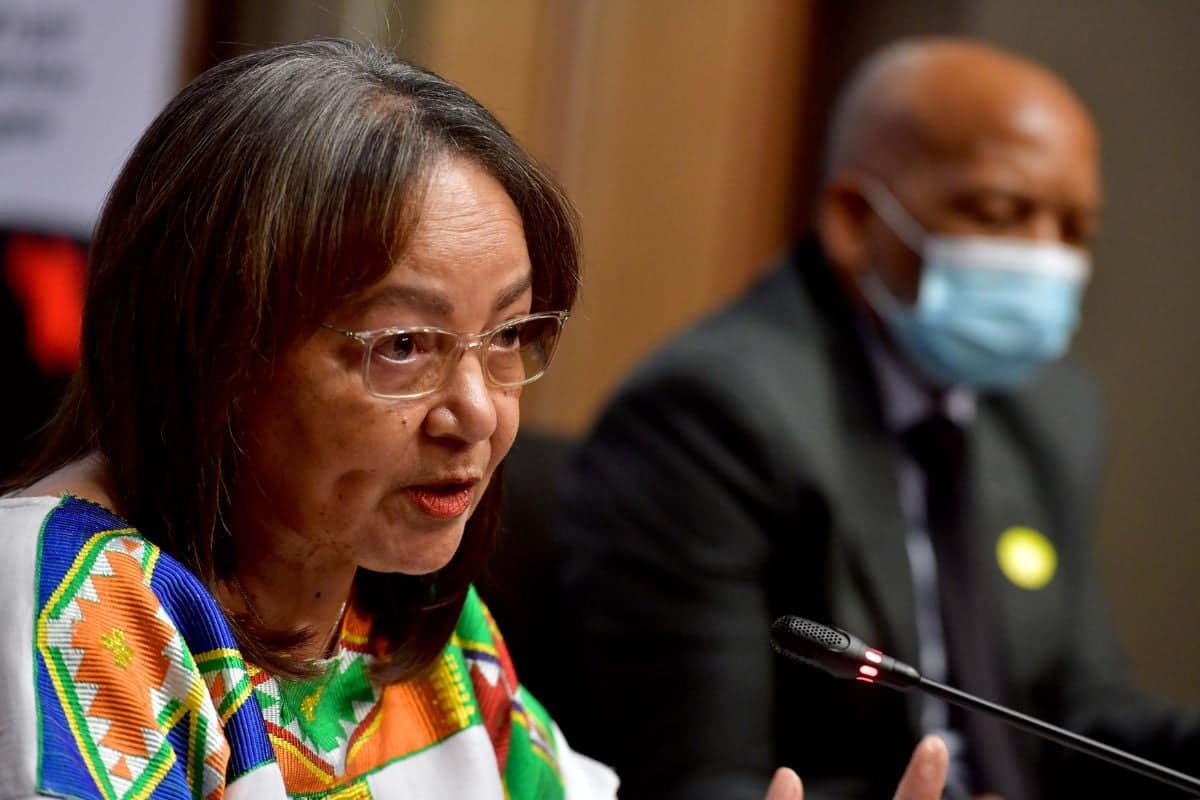
The commitment was etched into the National Infrastructure Plan 2050, published in March 2022 by then-Minister Patricia de Lille. The plan laid out a clear, stepped trajectory: 10GB for every home by 2023/24, scaling up to 50GB by 2025/26. The philosophy, championed by former Communications Minister Khumbudzo Ntshavheni, was revolutionary: data is an essential utility, like water and electricity, and should be available to all, rich or poor.
“This will be done without failure,” Ntshavheni declared in 2022, “because that is what the government will deliver.”
Yet, the first checkpoint has already been missed. The 10GB target for 2023/24 passed without fanfare or fulfillment. Now, with the 50GB deadline looming in February 2026, there is no concrete plan, no rollout strategy, and no clarity on how this monumental undertaking would be funded.

The Funding Fog and Private Sector Skepticism
The government’s proposed solution was a “Broadband Fund,” intended to subsidize household connectivity. In 2022, Ntshavheni confirmed her department had requested money from the National Treasury to establish this fund, which would also finance public Wi-Fi in underserved communities. The Infrastructure Plan further suggested partnering with private telecom companies through “blended finance” models.
However, this is where the grand vision collided with operational reality. The mobile industry responded with caution. When approached after the initial announcement, both MTN and Cell C expressed significant concerns.
MTN stated it was “not clear how the process will work and who will fund the 10GB monthly,” though it expressed a willingness to collaborate. Cell C was more pointed, highlighting the “significant cost implications” and noting that no formal regulatory processes had even begun. For a smaller operator, the sustainability of providing free data was a primary worry.
A Nation Left Waiting
The current silence from the government suggests that these fundamental questions of funding and implementation remain unresolved. What was once proclaimed “without failure” now appears to be in serious jeopardy.
The story of South Africa’s 50GB promise has become a familiar one: a headline-grabbing ambition announced with conviction, only to fade into the background as the hard work of execution begins. With the clock ticking down, millions of South African households are left to wonder if their digital lifeline will ever materialize, or if it will remain a cornerstone of a plan that never quite left the page.
About The Author