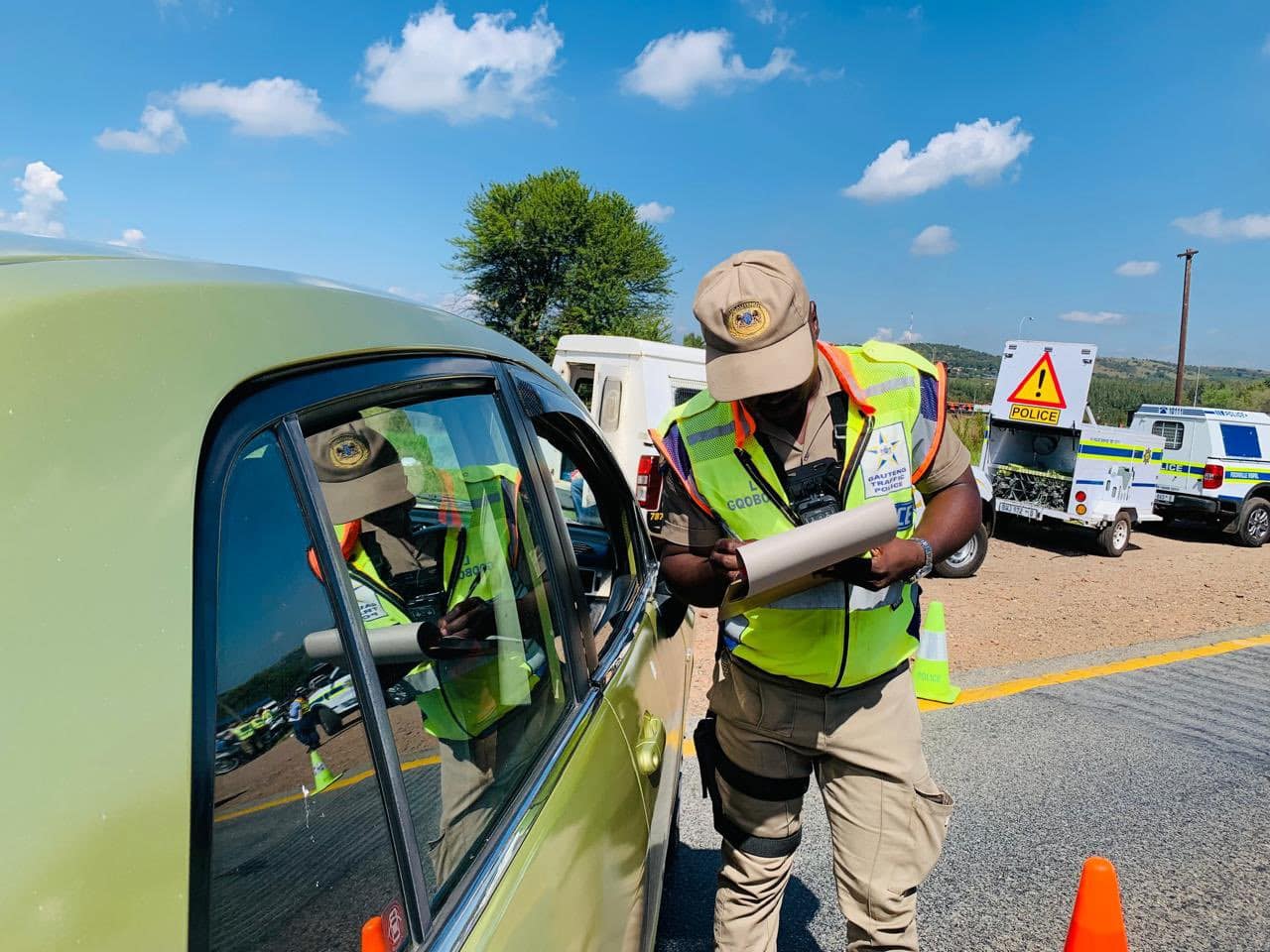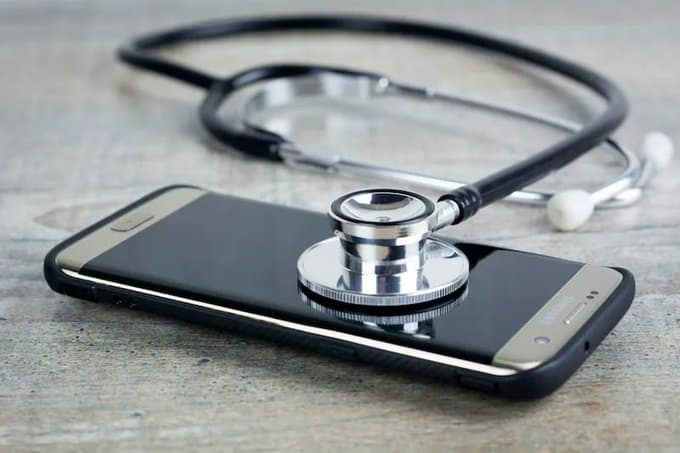
In the relentless battle against HIV and tuberculosis (TB), South Africa’s greatest asset is its army of health workers. Yet, for years, these front-line professionals—from overstretched doctors in urban clinics to community health workers in remote rural areas—have grappled with a critical challenge: staying current with rapidly evolving medical guidelines, drug regimens, and best practices. Now, a quiet but profound revolution is underway, powered not by a new miracle drug, but by the smartphone in a nurse’s pocket and the computer in a community hall.
The integration of digital tools into the public healthcare system is transforming how medical knowledge is disseminated and applied, ensuring that the latest advancements in treating HIV, TB, and other critical diseases reach those who need them most: the patients. This tech-driven strategy is becoming a vital lifeline in a nation that bears one of the world’s heaviest dual burdens of HIV and TB, home to millions living with these conditions.
Closing the Knowledge Gap, One Update at a Time
“In the past, updated national treatment guidelines could take months, even a year, to filter down through workshops and paper circulars. By the time a nurse in a distant clinic received the information, it might already be outdated,” explains Dr. Thandeka Moyo, a public health specialist involved in digital rollout programs. “That delay has real-world consequences for patient outcomes.”
Today, that gap is closing. A multi-faceted digital ecosystem is ensuring continuous professional development:
- Specialized Mobile Applications: Apps like the officially endorsed “SA Clinical HIV & TB” serve as dynamic, offline-accessible digital handbooks. They provide instant access to the latest Department of Health protocols, drug dosages, side-effect management guides, and even interactive tools for diagnosing treatment resistance. For a community health worker visiting a patient at home, a quick check on the app can confirm the correct antiretroviral (ARV) combination or the latest TB infection control procedures.
- Telemedicine and Virtual Peer Networks: Platforms enabling virtual case discussions and consultations allow nurses in under-resourced clinics to seek real-time guidance from specialist doctors in tertiary hospitals. This not only improves individual patient care but serves as a powerful, just-in-time training tool, building the confidence and capacity of front-line staff.
- AI-Powered Decision Support: Emerging artificial intelligence tools are being piloted to integrate with patient record systems. These tools can analyze patient data and alert healthcare workers to potential drug interactions, suggest optimal treatment pathways based on the latest guidelines, or flag patients who are at risk of falling out of care. This moves the system from passive information access to proactive, intelligent support.
- Gamified Online Training Modules: To combat burnout and make continuous learning engaging, health workers can now complete accredited training modules online. These often use interactive, scenario-based formats that reward progress, allowing staff to upskill at their own pace without needing to travel to central training venues.
Impact on the Ground: Saving Time and Lives
The impact of this digital shift is tangible. Sister Portia Ndlovu, a primary healthcare nurse in Alexandra township, describes the change: “Before, I had a bulky, outdated manual. Now, if a patient presents with a complex issue, I have the national guideline, a drug calculator, and a link to a specialist in my hand within minutes. It saves hours of uncertainty and gives me the confidence that my care is current and correct.”
This efficiency is crucial in a system where time is a scarce commodity. Faster, more accurate decision-making at the point of care leads to better adherence, reduced drug resistance, and earlier intervention—all factors that directly translate to lives saved.
Navigating Challenges in the Digital Divide
The transition is not without hurdles. Challenges of uneven internet connectivity, especially in deep rural areas, the cost of data, and varying levels of digital literacy among an aging workforce are real concerns. Programs are countering this by emphasizing offline functionality in apps, providing data bundles to health workers, and offering in-person “digital champion” training to support peers.
“Technology is not a silver bullet,” cautions Dr. Moyo. “It is a powerful tool that must be integrated with strong mentorship, supportive supervision, and a resilient healthcare system. But used correctly, it is the accelerator we desperately need.”
As South Africa continues its journey towards epidemic control, this fusion of healthcare and technology represents a beacon of pragmatic innovation. By empowering its health workers with instant, authoritative knowledge, the nation is not just updating its protocols—it is actively building a more responsive, resilient, and effective front line in the enduring fight against HIV and TB.
About The Author