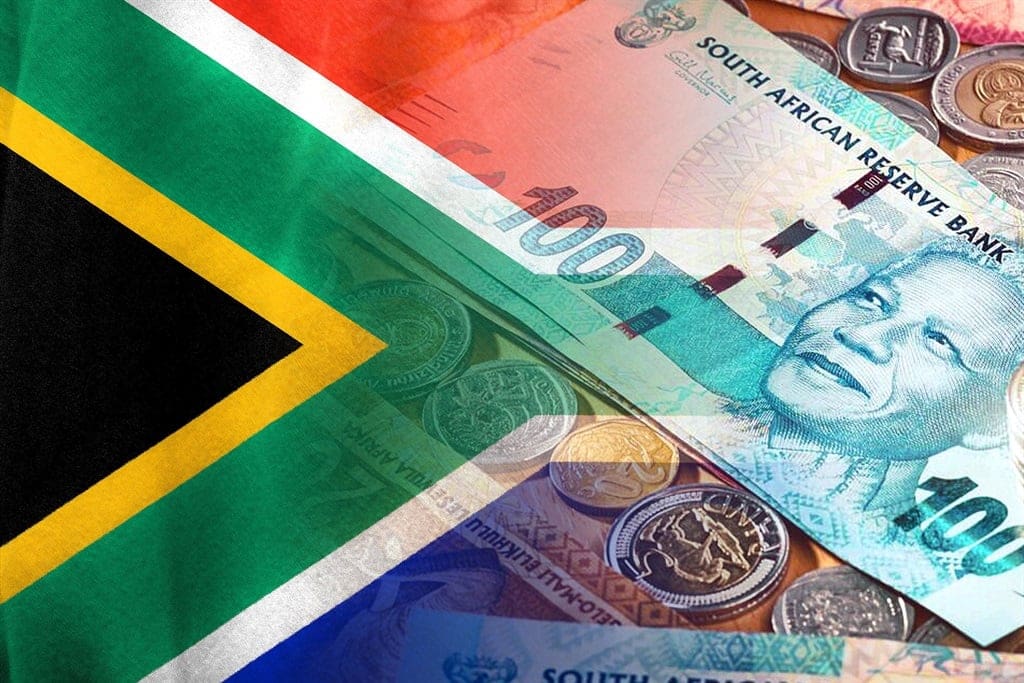
In a powerful demonstration of returning international confidence, South Africa’s National Treasury has successfully raised $3.5 billion (approximately R59 billion) through a heavily oversubscribed dollar-denominated bond sale. The transaction, which saw investor demand soar to over $8.5 billion—more than double the initial target—represents the government’s largest foreign currency issuance in years and a critical win for its funding strategy amid a challenging domestic fiscal landscape.
The triple-tranche offering was meticulously structured to capitalize on a narrowing window of favorable global market conditions and a perceived shift in investor sentiment towards emerging markets. The bonds comprised:
- $1.25 billion in a 5-year note priced at a yield of 5.875%
- $1.0 billion in a 10.5-year note priced at 6.300%
- $1.25 billion in a 30-year “century” bond (maturing in 2055) priced at 7.000%
Notably, the 30-year bond, a tenor often reserved for nations with stable long-term outlooks, attracted particularly robust demand, a detail analysts are interpreting as a significant vote of confidence in South Africa’s long-term trajectory.
A Convergence of Factors Drives Demand
Treasury officials and lead bankers attributed the resounding success to a confluence of factors. Firstly, the recent relative stability in South Africa’s political environment following the formation of a Government of National Unity (GNU) has provided a crucial anchor for investor optimism. The market perceives a reduced risk of radical policy shifts and an increased potential for pragmatic economic reforms.
Secondly, the nation’s commitment to fiscal consolidation, as outlined in the recent budget speech, appears to be gaining credibility. Investors cited Minister of Finance Enoch Godongwana’s pledge to curb spending and stabilize the soaring public debt as a key motivator. “This sale wasn’t just about raising dollars; it was a referendum on Treasury’s fiscal roadmap,” commented a senior economist at one of the participating banks, speaking on condition of anonymity. “The oversubscription suggests investors are cautiously buying the narrative.”
Furthermore, the global hunt for yield in a potentially peaking interest rate cycle played a role. With major central banks like the U.S. Federal Reserve hinting at future rate cuts, fixed-income investors are scouring for attractive returns, and South Africa’s relatively high yields proved compelling.
Strategic Importance and Cautious Optimism
The R59 billion injection is strategically vital. It provides essential foreign currency reserves for the nation, helps to meet a portion of the government’s substantial external funding needs for the fiscal year, and reduces immediate pressure on the domestic bond market. Crucially, it was achieved at interest rates lower than those implied by secondary market trading just months ago, signaling a tangible reduction in the country’s perceived risk premium.
“The success of this issuance is a testament to the improving investor perception of South Africa’s reform story and its commitment to fiscal sustainability,” said Finance Minister Godongwana in a statement. “It provides us with the fiscal space to continue implementing growth-enhancing policies while managing our debt obligations.”
However, analysts were quick to temper celebration with caution. They unanimously stressed that this is a financing success, not a fundamental economic transformation. The core challenges of low growth, high unemployment, persistent load-shedding, and logistical bottlenecks remain fully intact. “This buys time and reduces funding stress, but it does not solve South Africa’s structural problems,” warned a emerging market strategist in London. “The GNU must now convert this investor goodwill into tangible delivery on energy, transport, and reform. This was a passing a test; the final exam is still to come.”
The bond sale’s success has provided a much-needed tailwind for the rand and domestic bonds. If sustained, it could lower the cost of borrowing for other South African entities, including state-owned companies and the private sector, looking to tap international capital. Yet, the overarching message from market participants is clear: a window of opportunity has been forcefully opened, but it is now up to the South African government to build a lasting structure of growth and reform within it.
About The Author