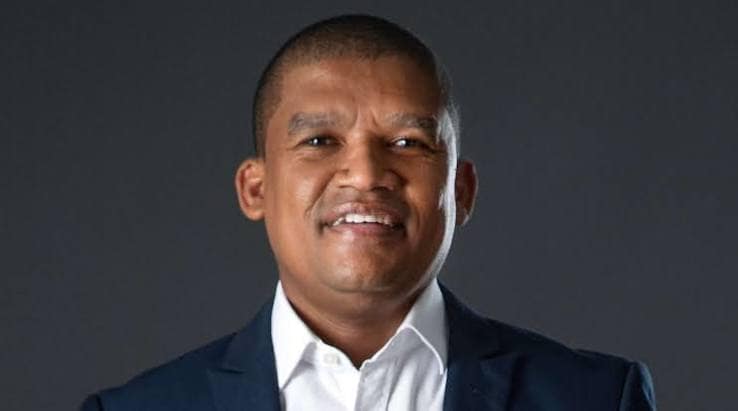
Shoprite Holdings has reported a staggering R274.8 billion in group revenue for the financial year ended 28 June 2026, a 7.1% increase from the prior year that translates to an average of R705 million in sales every single day across its Shoprite, Checkers, Usave, and other store formats. The figures, released this week, have ignited a fierce national conversation about corporate profitability, wage inequality, and the state of South Africa’s retail workforce.
While the revenue milestone underscores Shoprite’s dominance as the country’s largest retailer and a formidable player on the African continent, it has also amplified scrutiny over the pay gap between the company’s frontline workers and its executive leadership. Critics have pointed to the approximately R30 per hour earned by many entry-level employees, juxtaposed against CEO Pieter Engelbrecht’s reported R87 million remuneration package. Social media has been ablaze with commentary, with many users accusing the retailer of “corporate greed” and arguing that its massive revenue should translate into meaningful wage increases for the workers who keep its shelves stocked and tills ringing.
The debate comes amid heightened national tensions over the minimum wage and the rising cost of living. Shoprite’s defenders, however, have countered that the retailer operates on thin margins, employs tens of thousands of people, and provides a critical entry point into the formal economy for many South Africans. They argue that the sheer scale of the operation, not the generosity of its margins, is what drives the headline numbers.
Shoprite has not yet issued a formal response to the criticism, but the conversation shows no signs of abating. For many South Africans, the R705 million daily figure is not just a business statistic—it is a mirror reflecting the country’s deep economic divides. Whether it sparks real change in retail wages remains to be seen, but for now, the debate has firmly placed the relationship between profit and people at the centre of the national agenda.
About The Author