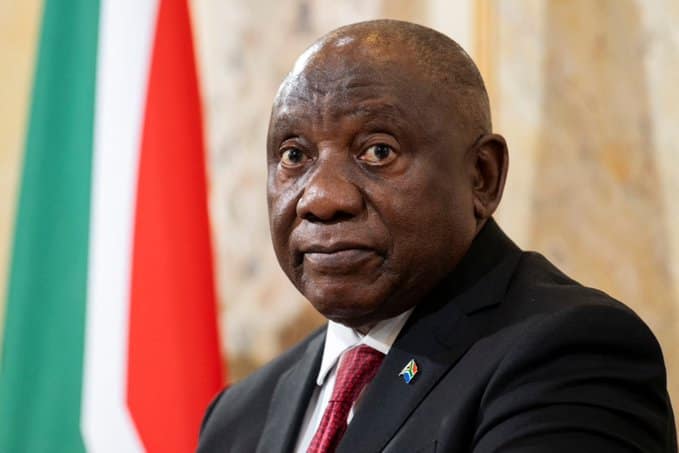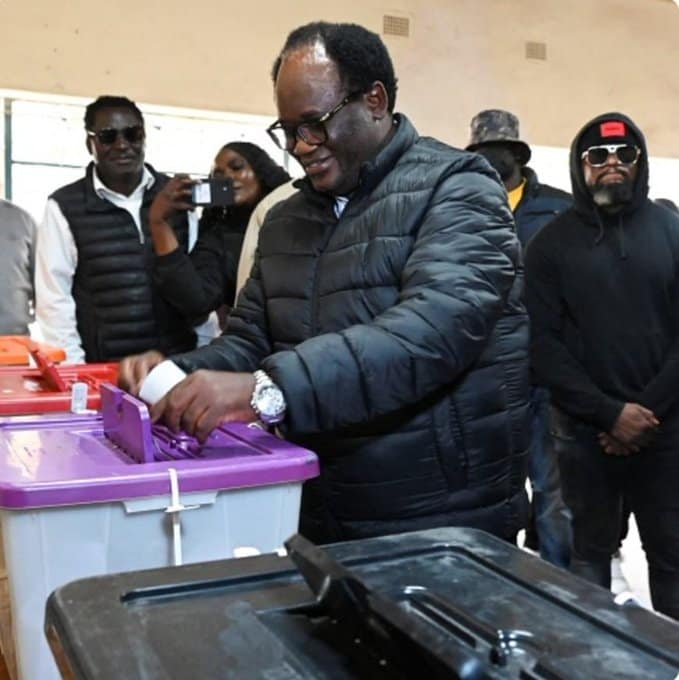
Zambia’s political landscape has been thrown into fresh uncertainty as opposition leader Brian Mundubile formally confirmed his intention to challenge the outcome of this week’s presidential election in court, alleging widespread irregularities and vote fraud in the poll that declared President Hakainde Hichilema the victor for a second term. The announcement, made during a press briefing in Lusaka on Thursday, sets the stage for a potentially protracted legal battle that could test the resilience of Zambia’s democratic institutions.
Mundubile, who leads the Patriotic Front (PF) and finished second in the election, claimed that the electoral process was marred by systematic manipulation, including the inflation of voter turnout figures, the tampering of result sheets in key constituencies, and the disenfranchisement of opposition supporters through bureaucratic hurdles. “We have evidence of serious breaches of the law and the constitution,” Mundubile declared. “This is not about sour grapes; it is about safeguarding the integrity of our democracy and ensuring that the will of the Zambian people is not subverted.”
The Electoral Commission of Zambia (ECZ) has defended the conduct of the election, stating that the process was transparent, credible, and in full compliance with the law. President Hichilema, who secured a decisive victory with over 56% of the vote, has called on Mundubile to accept the result and work toward national unity, warning that legal challenges could undermine investor confidence and delay critical reforms.
However, legal experts note that Mundubile’s petition, if accepted by the Constitutional Court, will trigger a rigorous judicial review process, with the court expected to deliver a verdict within 14 days. Civil society organizations have urged all parties to maintain calm and respect the rule of law, while international observers have cautiously praised the overall conduct of the election while noting areas for improvement. As the legal proceedings loom, Zambia finds itself at a crossroads—where the courts may now determine what the ballot box could not decisively settle.
About The Author