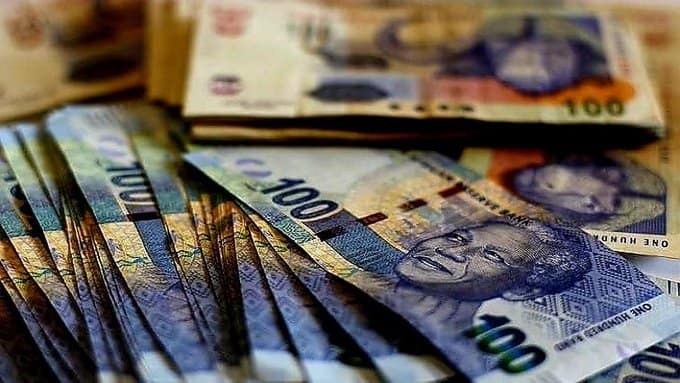
In a display of resilience, the South African Rand (ZAR) held its ground in Thursday’s early trading sessions, managing a stable performance despite the headwind of a broadly stronger US Dollar. Analysts attribute the currency’s steady footing primarily to a significant reduction in global risk aversion, following two major geopolitical developments from Washington.
Market sentiment shifted overnight as US President Donald Trump appeared to step back from a pair of escalating international standoffs. In a series of statements from the White House, President Trump indicated a pause on fresh, wide-ranging tariff threats against key trading partners, a move that had previously rattled global trade prospects. Simultaneously, in a surprising turn, he publicly shelved controversial and forceful plans to pursue the annexation of Greenland, a strategy that had provoked sharp diplomatic rebukes and introduced a fresh layer of uncertainty into global affairs.
“The market is breathing a tentative sigh of relief,” commented Thandeka Mboweni, chief currency strategist at Umkhonto Capital in Johannesburg. “The twin spectres of a renewed trade war and an unprecedented territorial dispute are receding for now. This has reduced the frantic safe-haven buying that typically drains capital from emerging markets like ours and strengthens the Dollar. The Rand is finding support in this calmer environment.”
The benchmark USD/ZAR pair traded within a tight band around R16.85 in the early hours, a marginal strengthening from the previous session’s close. This stability comes even as the US Dollar Index (DXY), which measures the greenback against a basket of major currencies, edged higher following robust preliminary US economic data. Typically, a firmer dollar exerts downward pressure on emerging market currencies, making the Rand’s steadiness notable.
Domestic factors also provided a modest cushion for the local unit. While major economic data releases are pending later in the week, market participants noted a continued, though cautious, inflow into domestic bonds ahead of next week’s budget announcement. Furthermore, commodity prices, particularly for platinum and gold—key South African exports—remained supportive.
However, analysts were quick to caution that the stability is fragile and the environment remains complex. “The Rand is benefiting from a temporary lull in global storms, but the underlying pressures haven’t vanished,” warned David Lawrence, an emerging markets analyst at ETM Analytics. “The Dollar’s underlying strength, coupled with persistent domestic challenges like load-shedding risks, subdued growth forecasts, and fiscal concerns, means the currency’s resilience will be tested. For now, it’s a pause, not a reversal.”
Traders are now looking ahead to domestic catalysts, including upcoming Purchasing Managers’ Index (PMI) data and, more critically, the Medium-Term Budget Policy Statement (MTBPS), which will be scrutinized for the government’s plans to manage the nation’s debt and stimulate growth.
For the moment, however, the Rand’s ability to weather a strengthening Dollar reflects a market tentatively pricing in a de-escalation of global tensions, offering a brief respite for South Africa’s volatile currency.
About The Author