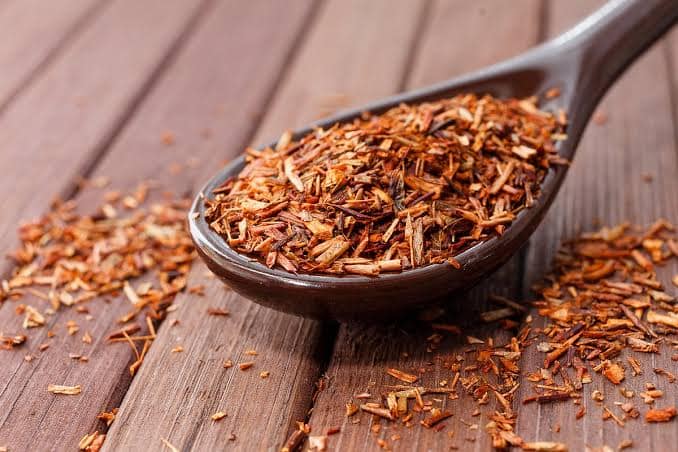
South Africa’s beloved rooibos tea has transcended its origins as a humble household staple to become a globally recognised commodity, with exports exceeding 10,930 tonnes in 2025 and reaching more than 50 international markets. The milestone reflects decades of strategic marketing, quality improvement, and growing consumer appreciation for the caffeine-free, antioxidant-rich infusion, which is now a permanent fixture on supermarket shelves from Tokyo to Toronto.
The industry, which supports approximately 8,000 jobs across the Western Cape’s Cederberg region and beyond, is increasingly pivoting toward value‑added products, including rooibos-infused cosmetics, functional foods, and ready-to-drink beverages. This diversification is helping producers capture higher margins and reduce reliance on bulk tea exports, positioning rooibos as a versatile ingredient in the global health and wellness sector.
Beyond its commercial success, rooibos carries a unique social dividend. A landmark benefit‑sharing agreement, signed in 2019, ensures that the San and Khoi communities—the indigenous peoples whose ancestral knowledge contributed to the tea’s discovery and cultivation—receive a levy from commercial sales. Between 2019 and 2024, R42.7 million was distributed to these communities, funding education, health, and enterprise development initiatives.
The agreement has been hailed as a global model for equitable benefit-sharing and has strengthened the industry’s ethical credentials, appealing to increasingly conscientious consumers. As rooibos continues its global march, the challenge for producers will be to balance growing demand with sustainable farming practices and continued community reinvestment. For now, the cup is half full—and the world is drinking it.
About The Author