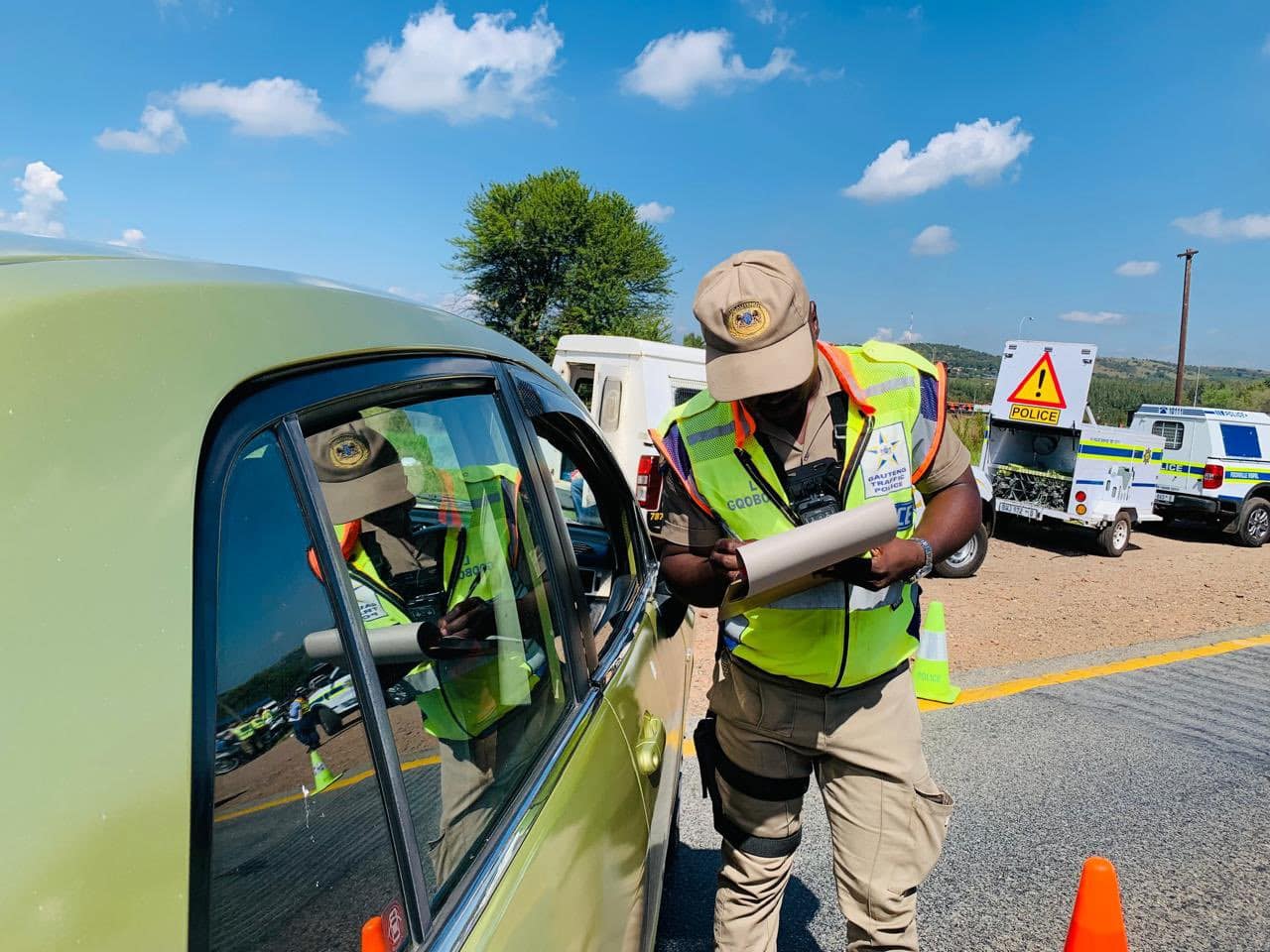
In a firm address to Parliament, President Cyril Ramaphosa has laid to rest any speculation about a permanent militarisation of the fight against crime in South Africa, confirming that the recent deployment of the South African National Defence Force (SANDF) is a strictly temporary, high-impact intervention. Responding to questions in the National Assembly on Thursday, the President stressed that while the initial results of the army’s deployment are promising, making it permanent is not on the cards, primarily due to the exorbitant costs involved.
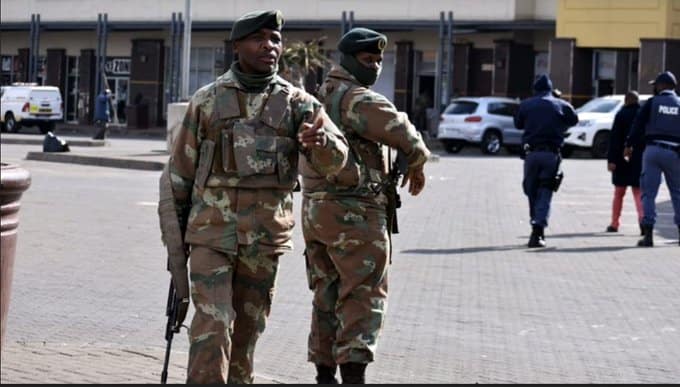
“It can never be a temptation because it costs a lot of money,” President Ramaphosa stated unequivocally. “They are a temporary intervention to help us stabilise the situation” . His remarks come just days after the first contingent of 550 soldiers rolled into crime hotspots in Gauteng as part of “Operation Prosper,” a joint mission with the South African Police Service (SAPS) to combat the twin scourges of gang violence and illegal mining.
A Measured Response to Organised Crime
The President was at pains to frame the deployment not as a sign of police failure, but as a strategic injection of additional capacity to support law enforcement in high-risk areas. The operation, which will run until March 2027 at a cost of R800 million, is designed to stabilise volatile communities and disrupt entrenched criminal networks. The targeted provinces include Gauteng, the Western Cape, the Eastern Cape, North West, and the Free State, with a specific focus on “zama zama” illegal mining syndicates and organised gang structures .
Ramaphosa acknowledged the historical sensitivity surrounding soldiers on South African streets. In his weekly newsletter, he addressed this directly, stating, “Given our history, where the apartheid state sent the army into townships to violently suppress opposition, it is important that we do not deploy the SANDF inside the country to deal with domestic threats without good reason.” He assured the public that this deployment meets that high threshold, is conducted under police command, and adheres to strict, time-limited objectives.
Early Signs of Impact and Community Reaction
On the ground, the arrival of troops in suburbs like Westbury and Riverlea in Johannesburg has been met with a mix of relief, hope, and scepticism. Armed with automatic rifles and backed by police in armoured vehicles, soldiers have been conducting door-to-door searches in areas long held hostage by turf wars and drug-related violence.
For some residents, the military presence is a long-overdue reprieve. “It’s a good thing! Now we can sleep in peace,” said Cecil Witbooi, a 50-year-old resident of Westbury, a community where rival gangs have turned streets into battlegrounds. Children in Riverlea ran excitedly alongside armoured convoys, and some residents expressed hope that the intervention would finally “bring change” to communities where “children are getting massacred” .
However, a deep-seated cynicism also lingers. “It’s nice they’re here, but they’re not going to do anything,” remarked Eugene, a 42-year-old Westbury resident who feared reprisals for speaking his mind. “Once the criminals get caught, the judges let them out again”. Others pointed to the root causes of crime, arguing that unemployment—hovering near 32 per cent—and poverty must be addressed for any lasting change to take hold. These sentiments underscore the immense challenge facing the security forces.
Political Pressure and Inter-Departmental Friction
While the boots are now on the ground, the path to deployment was not without its hurdles. The operation faced sharp criticism from parliamentary oversight committees, which accused senior management at both SAPS and the SANDF of a “silo mentality” and “lethargy” in responding to the President’s directive.
Ian Cameron, chairperson of the Portfolio Committee on Police, voiced strong concern over the delays. “The lack of planning, uncertainty and silo mentality has been evident in the pre-deployment phase… A presidential directive cannot be handled with such lethargy and apparent disinterest,” he said, warning that if the two departments “cannot agree on a simple matter such as command and control, then the effectiveness of the mission will inevitably be undermined” .
Funding the Fight
Despite these initial stumbles, the government has committed significant resources to the initiative. Finance Minister Enoch Godongwana’s recent budget allocated an additional R1 billion to SAPS and another R1 billion to the SANDF specifically for the fight against organised crime, drawn from the Criminal Assets Recovery Account (CARA) . The SAPS has clarified that its portion of this funding will be used to support the joint operations, while the SANDF will draw from its own budget to cover the R80.7 million cost of the initial Gauteng deployment.
Acting Police Minister Firoz Cachalia has cautioned against viewing the army as a “magic bullet.” Instead, he described their role as a “stabilisation strategy” designed to create the space for SAPS’s organised crime teams to dismantle the leadership, finances, and logistics of criminal syndicates. “Really, what we are looking for with this deployment of the military is to augment the primary role of the police… with additional strategic capabilities which the army does have,” Cachalia explained.
As Operation Prosper unfolds, the nation watches to see if this temporary, costly, and logistically complex intervention can deliver a lasting blow to the organised crime that President Ramaphosa has identified as “the most immediate threat to our democracy, our society and our economic development”. For now, the President has drawn a firm line: the army is here to help, but it is not here to stay.
About The Author