Under the crisp summer skies of a new year, a familiar ritual of hope and preparation unfolded across South Africa this morning. Wednesday, 14 January 2026, marks a pivotal moment in the nation’s educational timeline: for the first time in recent memory, the school gates swung open in unison nationwide, as thousands of pupils in all nine provinces returned to their classrooms, officially kicking off the 2026 academic year under a newly unified national calendar.
This synchronised start represents more than mere administrative alignment; it is a powerful symbol of collective intent. After years of staggered provincial calendars that complicated family planning, national assessments, and teacher placements, the Department of Basic Education has successfully steered all provinces onto the same schedule. The move promises greater efficiency for national programmes, standardised holiday periods, and a reinforced sense of a shared national endeavour in education.
A Mosaic of Scenes: Polished Shoes and Unfinished Classrooms
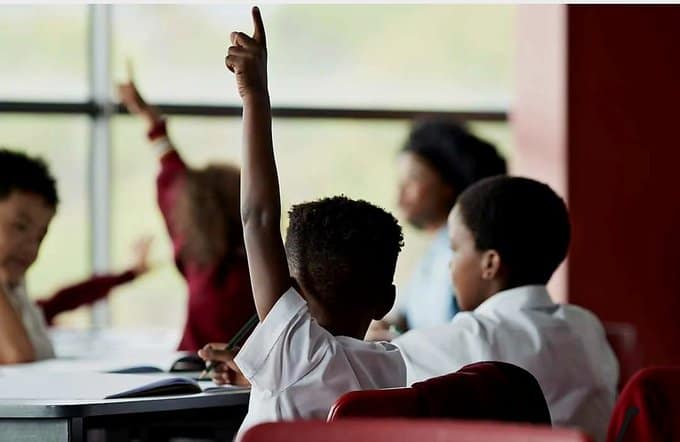
The day painted a mosaic of scenes emblematic of South Africa’s complex educational landscape. In suburban schools, orderly queues of learners in crisp new uniforms, weighed down by backpacks filled with fresh stationery, were greeted by principals and teachers with welcoming assemblies. The air buzzed with the excitement of reunion and the promise of a clean slate.
Yet, in many townships and rural districts, the first day also laid bare persistent challenges. At some schools, pupils arrived to find construction crews still on-site, racing to complete infrastructure upgrades promised for the new year. Others reported shortages of textbooks or overcrowded classrooms, as last-minute placement crises—like those seen in Gauteng—continued to reverberate. The government has assured that delivery of learning materials is imminent and that mobile classrooms are being deployed to address critical space shortages.
Priorities and Pressures: The Road Ahead for 2026
Education experts and officials have framed 2026 as a year of “Consolidation and Catch-up.” Key priorities for the year include:
- Deepening Foundational Skills: A continued national drive to improve literacy and numeracy outcomes in the early grades, addressing learning losses that persist from previous disruptions.
- Embracing Technology: Further integration of digital tools and coding into curricula, though the digital divide between well-resourced and under-resourced schools remains a stark reality.
- Teacher Support: Ongoing professional development to equip educators with new methodologies and subject-specific knowledge, particularly in critical areas like mathematics and science.
- Psychosocial Focus: Recognising the profound impact of societal issues on learning, many schools are strengthening in-house counselling and support services to help pupils navigate trauma, anxiety, and socio-economic stress.
A Community’s Collective Breath
Beyond the policies and infrastructure, the first day of school remains, at its heart, a profoundly human event. For parents, it is a day of anxiety and pride, watching their children take another step into the world. For teachers, it is a day of renewed purpose and formidable responsibility. And for the learners themselves—from the wide-eyed Grade 1s clinging to their parents’ hands to the focused, ambitious Matrics of the Class of 2026—it is a day brimming with potential.
As the final school bells rang today, signalling the end of the first day, a nation collectively exhaled. The 2026 academic journey has begun on a note of unprecedented unity. The true test, however, will be how the system nurtures this unified start into a year of sustained, equitable, and quality learning for every child now seated at a desk, their year ahead a story waiting to be written.
About The Author