In a bold declaration of growth intent, JSE-listed retail giant Pepkor Holdings has unveiled plans to launch 300 new stores in the coming year, accelerating its footprint across Southern Africa and signalling unwavering confidence in the value-retail sector. This aggressive expansion comes on the back of a year that saw the group add 168 new outlets, pushing its sprawling store network to a formidable 6,156 locations.
The announcement reinforces Pepkor’s dual-engine growth strategy: organic store rollout and strategic acquisitions. Despite acknowledging the inherent complexity and execution risks in digesting new businesses, the company’s leadership is emphatic that acquisitions remain a cornerstone of its ambition to dominate the mass-market retail and financial services landscape.
“Our focus is on providing essential goods and services to the heart of the Southern African consumer market,” stated a senior Pepkor executive. “While opening new stores under our core brands is fundamental, targeted acquisitions allow us to enter new categories, acquire valuable market share swiftly, and leverage our unparalleled supply chain and distribution network.”
A Multi-Pronged Acquisition Strategy in Action
Pepkor’s acquisition trail over the past year highlights a deliberate and diversified approach:
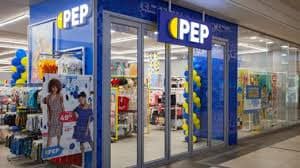
- Fashion & Apparel Consolidation: The acquisition of the Choice Clothing brand marked a strategic move into the off-price fashion segment, allowing Pepkor to capture a wider range of customer spending within clothing. This complements its powerhouse brands like Pep, which focuses on ultra-value fashion and general merchandise, and Ackermans, known for family fashion and homeware.
- Furniture & Homeware Expansion: In a significant sector push, Pepkor acquired key furniture businesses from the Shoprite Group, including the OK Furniture and House & Home brands. This move not only adds a substantial revenue stream but also positions Pepkor as a major player in the credit-based furniture retail market, directly competing with established names like Lewis and Incredible Connection.
- Financial Services Deepening: Beyond physical goods, Pepkor is steadily building its financial services arm through Capfin, offering microloans and credit products. This vertical is seen as a critical flywheel, driving customer loyalty and spending within the group’s retail ecosystem.
Navigating Complexity and the Road to 2026
The path of rapid expansion is not without its headwinds. Analysts point to the challenges of integrating disparate corporate cultures, IT systems, and supply chains, especially when acquiring larger, established businesses like the furniture units from Shoprite.
“Pepkor’s management has a strong track record, but the scale of integration they are currently managing is unprecedented for them,” noted a retail analyst at a major investment bank. “The key will be maintaining the value proposition and operational efficiency of the acquired brands without diluting the core Pepkor model. Execution risk is elevated, but so is the potential reward.”
Internally, Pepkor has invested heavily in bolstering its management and logistical capabilities to handle the increased complexity. The group’s centralised buying power, sophisticated distribution centres, and deep understanding of the low-to-middle-income consumer are considered major competitive advantages in making new acquisitions profitable.
Store Rollout: A Testament to Core Strength
While acquisitions make headlines, the planned opening of 300 new stores underscores the relentless organic growth of Pepkor’s core banner brands. The expansion is expected to be multi-format, including:
- Large-format Pep and Ackermans stores in township and rural hubs.
- Smaller, convenience-focused Pep stores integrating financial services kiosks in high-traffic locations.
- New store openings for its speciality brands, such as Shoe City and Dunns, across the region.
This physical expansion is a direct bet on the resilience and growth of the mass-market consumer in Southern Africa, even amidst economic pressures. Pepkor’s model, built on extreme affordability, essential product ranges, and ubiquitous accessibility, has historically proven defensive during downturns.
As Pepkor heads into 2026, the message is clear: the group is not merely consolidating its position as Africa’s largest retailer by footprint; it is on the offensive. By simultaneously executing a vast store rollout and integrating major acquisitions, Pepkor aims to create an unassailable retail ecosystem that touches nearly every aspect of its customers’ lives—from the clothes they wear and the furniture in their homes to the credit in their pockets. The coming year will be a critical test of its ability to manage scale and complexity while delivering on its ambitious growth promises to shareholders.
About The Author